Plasma Cleaners

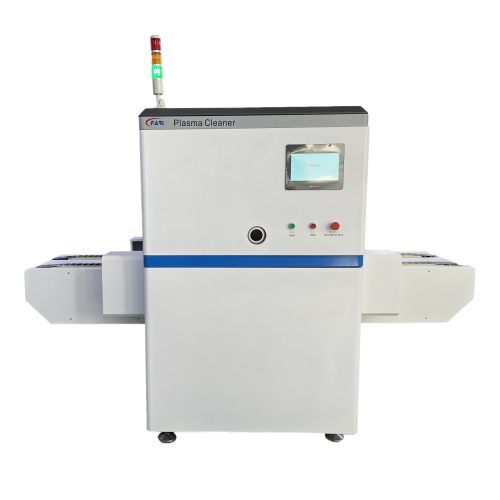
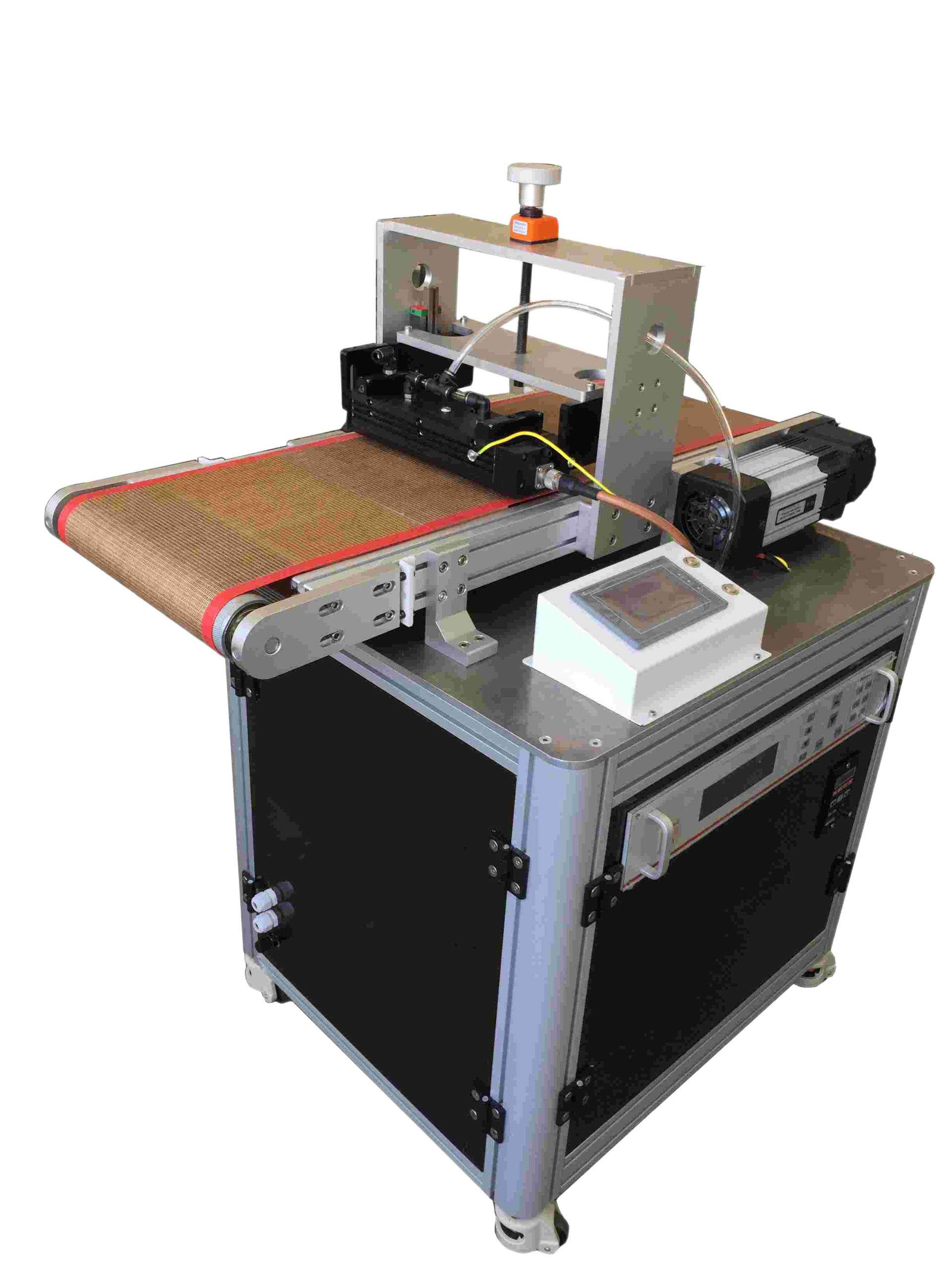
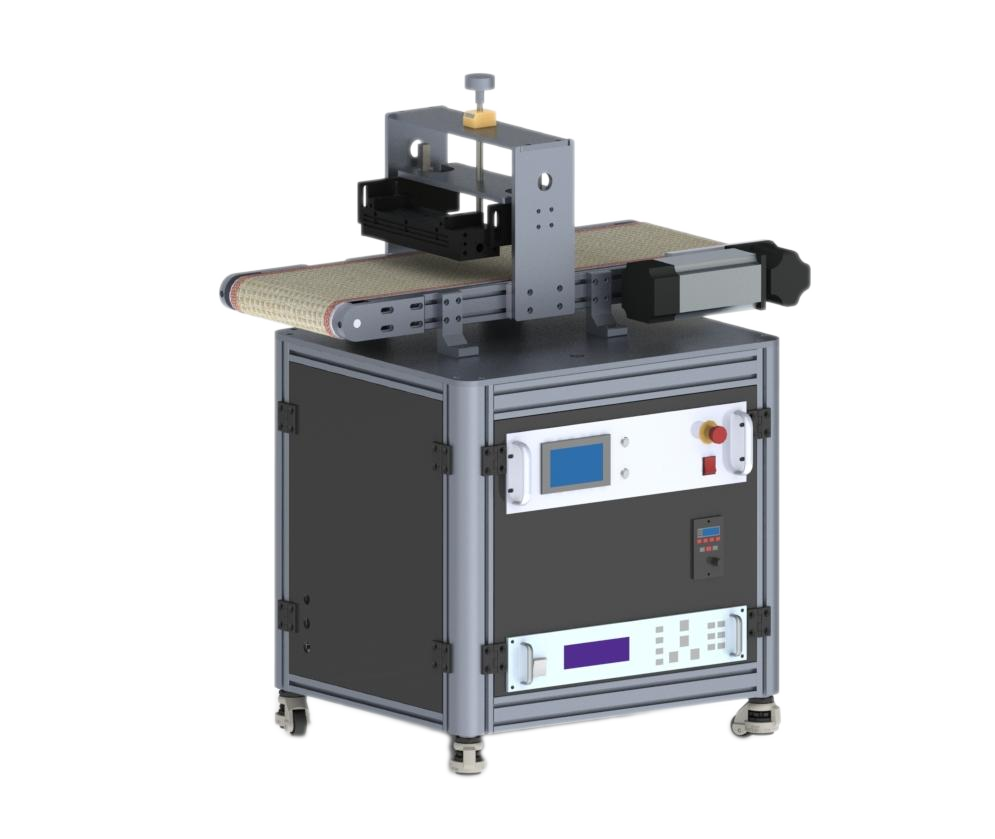
FR-L235 Linear Plasma Cleaner

Compact linear plasma module designed for surface preparation of metals, plastics, glass, and polymer components. The system supports customizable treatment width and inline dry processing for high-throughput production environments.
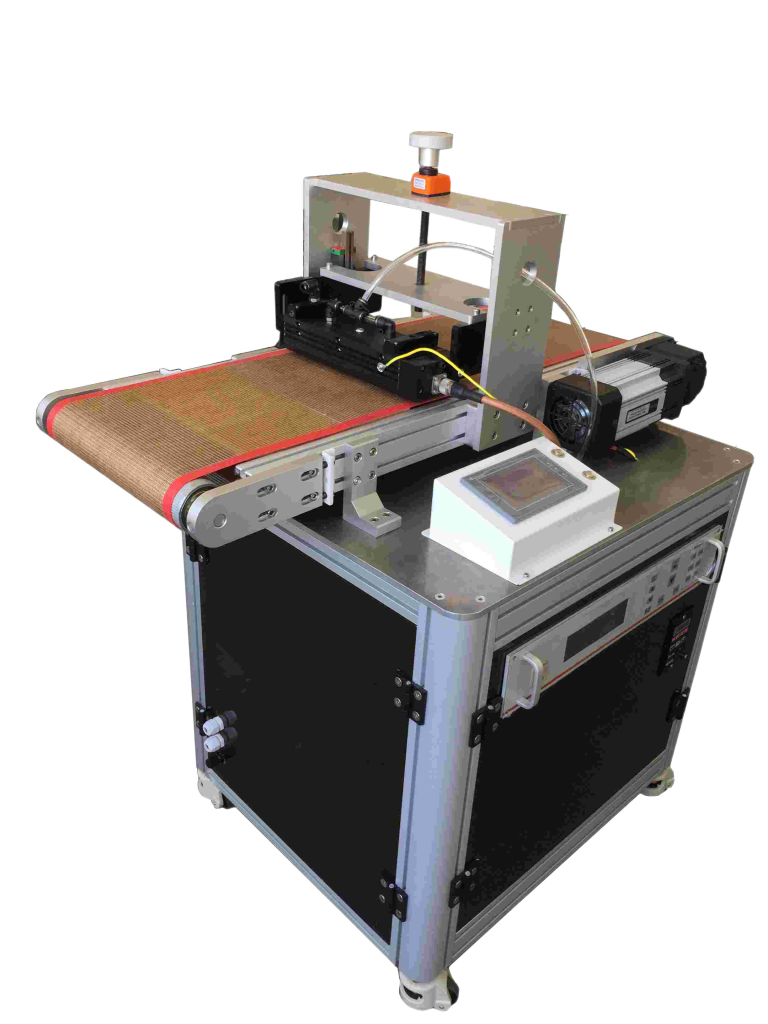
  • Compact Linear Module,High Efficiency
  • Touch Screen + PLC,Easy Operation
  • Customizable Width and Nozzle Gap

Tech Specs

Model FR-L235
Control System Touch screen + PLC
Input Voltage AC 220V
Power 500 W
Treatment Width 235 mm (customizable)
Nozzle Height 1-5 mm (recommended 2 mm)
Gas Argon / Oxygen

Key Features

  • Compact Modular Design

    Compact linear plasma module designed for easy integration into existing production lines, minimizing equipment footprint while providing consistent surface preparation during continuous processing.

  • Inline Continuous Processing

    Designed for continuous operation directly on production lines to enable high-throughput surface treatment without slowing downstream assembly or requiring manual handling steps.

  • Dry, Pollution-Free Treatment

    Entire process is dry and produces no liquid waste or chemical residues, minimizing contamination risk and eliminating the need for solvent disposal or additional drying steps.

  • Broad Substrate Compatibility

    Processes a wide range of materials including metals, plastics, glass, and polymers, preparing substrates for coating, printing, bonding, and plating operations in industrial production.

  • Adjustable Nozzle & Gap Control

    Nozzle height can be set from 1–5 mm (2 mm recommended) enabling precise treatment of delicate or uneven surfaces and optimizing plasma exposure for different materials.

  • User-Friendly Control Interface

    Equipped with a touch-screen interface and PLC control for simplified setup, repeatable recipes and operator-friendly monitoring to reduce training time and error rates.

Plasma Cleaning Process

  • Plasma Generation

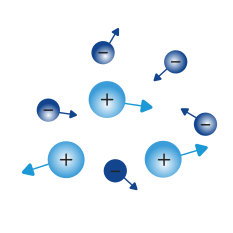
    Process gas is energized and converted into a reactive plasma containing ions, electrons, and radicals.
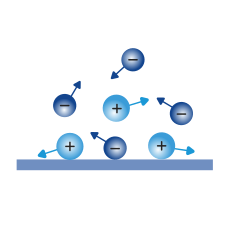
  • Plasma–Surface Interaction

    Energetic plasma species interact with surface molecules and contaminants under controlled vacuum conditions.
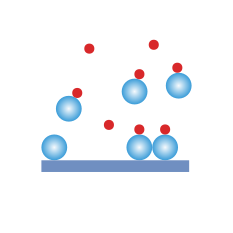
  • Chemical Reaction

    Reactive ions and radicals break down organic residues and surface contaminants through controlled chemical reactions.

  • Volatilization

    The reaction products are converted into volatile compounds and enter the gas phase.
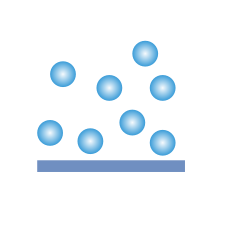
  • Removal from Surface

    Gaseous by-products desorb from the surface and are evacuated, leaving a clean, activated material surface.