
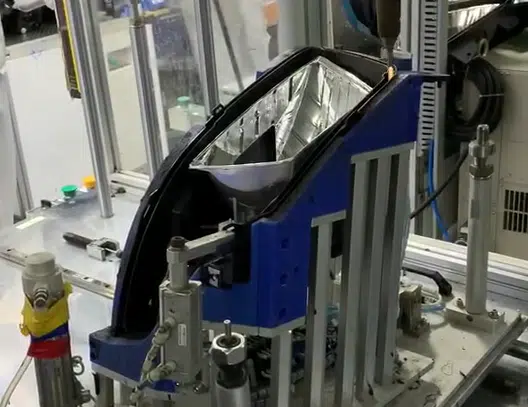
Headlights are usually fixed at the front of vehicles to help the driver see ahead. Headlights are meant to guarantee safety by enabling drivers to avoid accidents. They are also meant to signal the presence of vehicles on the road and in other areas.
There are various types of headlights, each having distinct advantages and disadvantages. Vehicle headlights must be securely attached to their mounting points to prevent them from detaching from their housings.
This post will explain how plasma treatment processes can enhance headlight bonding and ensure better performance.
To effectively address the evolving landscape of automotive lighting, it is crucial to first understand the bonding challenges associated with headlights, as these issues can significantly impact performance and safety.
Materials Used in Headlights
Headlights can be formed from many materials, such as Polycarbonate, Modified Polypropylene, Nylon, Glass, and PBT. Headlight materials are manufactured with heat-resistant properties.
This enables them to survive the lighting material’s intense temperature. Polycarbonate is generally favored because of its lightweight and impact-resistant properties.
The above materials usually have low surface energy, which can be a limitation factor in bonding headlights.
Dissimilar materials struggle to bond effectively with headlight materials due to the non-polar arrangement of the surface molecules.
Issues in headlight bonding can range from weak bond formation to the existence of surface contaminants.
Weak bond formation on headlights can lead to water ingress, fogging, or structural failure. The existence of surface contaminants weakens strong bonds.
When contaminants come in between headlight bonds, they reduce bond strength and diminish the lifespan of the headlights.
To effectively tackle bonding challenges, it is essential to explore the key aspects of headlight bonding.
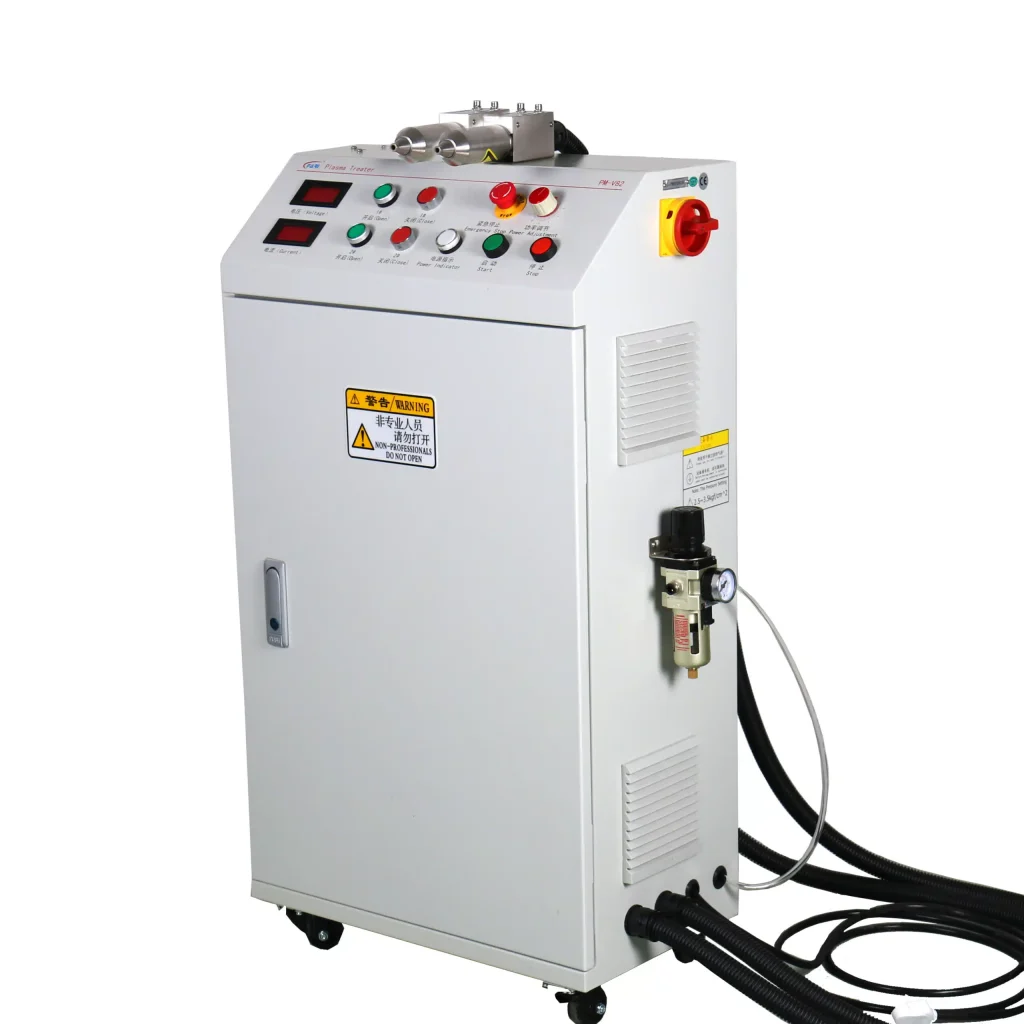
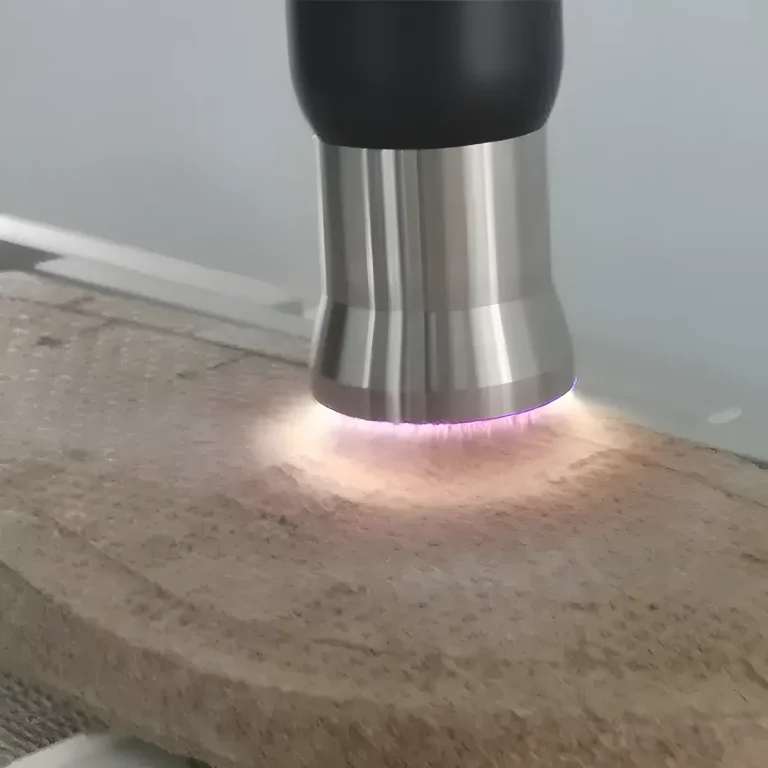
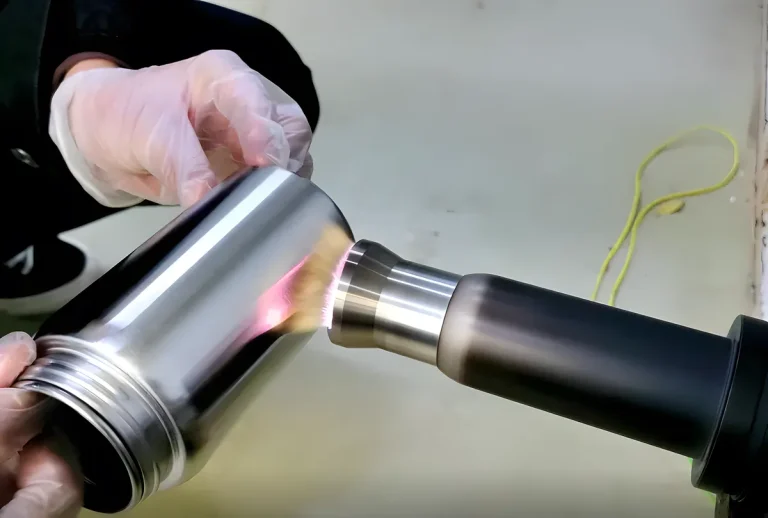
Plasma is a magnificent solution for treating material surfaces to ensure long-lasting bonds with other materials. Plasma treatment primarily serves the purpose of cleaning and activating surfaces.
Plasma processes energize surface particles of materials, causing their molecules to realign and enhancing their surface energy.
The central part of a plasma treatment process is the combination of plasma with material surface particles.
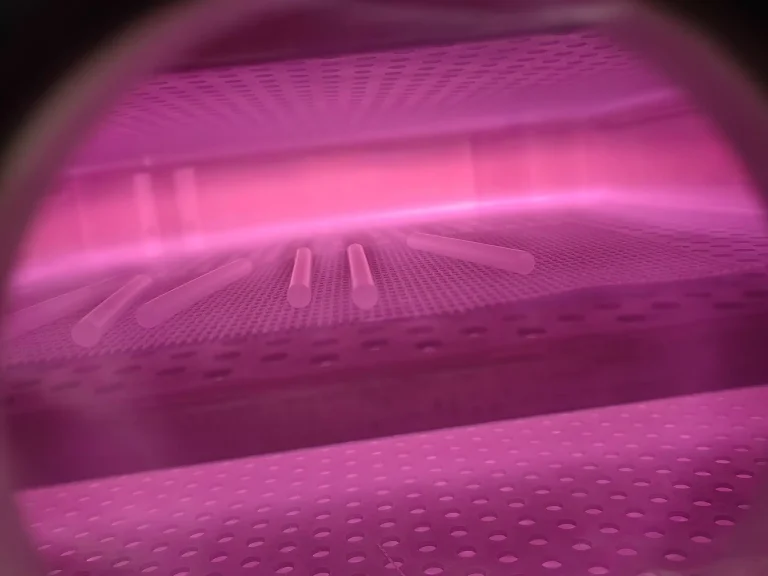
Plasma is the fourth state of matter, created through the ionization of gas particles. Different gas types are fit for producing plasma, depending on your surface cleaning and activation goals.
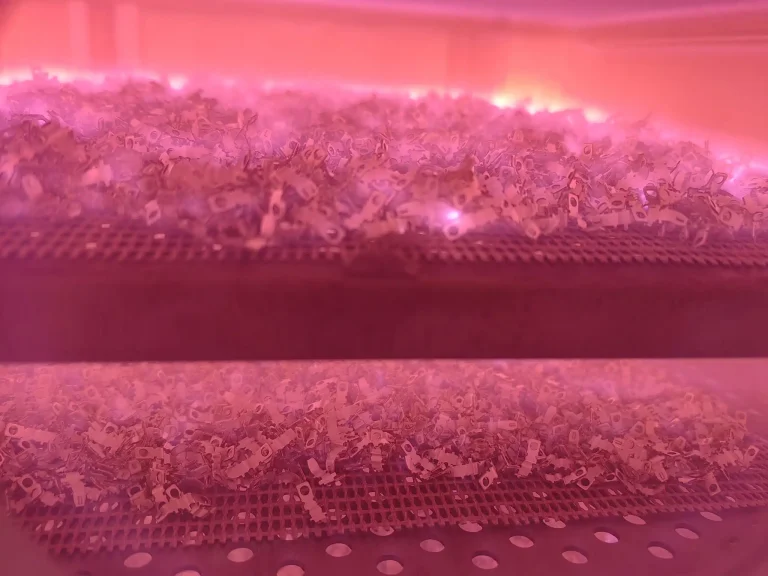
Plasma combines with material surfaces to remove contaminants like dust, oil, and release agents. This property is significant in headlight manufacturing because it helps ensure reliable and long-term bonds.
Plasma’s effectiveness is due to the deposition of special functional groups on material surfaces. These unique chemical groups react with organic and inorganic impurities to detach them from the material.
This is critical for headlights as it increases their surface energy, creating a more conducive environment for other items to bond.
Plasma treatments enhance the performance of headlights in several ways. Plasma solutions ensure improved wettability and stronger bonding performance on metals, glass, and plastics.
Now, let’s explore the benefits of plasma treatment for headlight bonding, including enhanced durability, improved adhesion, and performance.
One advantage of plasma treatment is that it ensures better adhesive strength for headlight bonding.
It enhances bonding between lens and housing components, ensuring long-term durability. That way, headlights can serve their purpose for as long as possible.
Plasma is also used to treat materials to enhance their corrosion and chemical-resistant properties.
Stronger headlight seals prevent ingress and maintain optical clarity thanks to plasma activation and cleaning.
Plasma is becoming a standard option for headlight manufacturers due to its eco-friendly benefits.
Plasma treatments do not employ toxic reagents like some traditional surface cleaning techniques.
They are also not associated with extreme heat for removing contaminants. Instead, it uses a simple surface-altering chemistry to clean and activate surfaces.
Using plasma eliminates the need for primers and chemical reagents that may adversely affect the environment.
Plasma treatments guarantee consistent results for improving headlight bonds and other applications.
Manufacturers are turning to plasma for large-scale productions due to its consistency.
In addition, plasma processes ensure uniform surface activation and reliability across all components. Plasma’s precision abilities also lead to less waste.
Let us delve into the applications of plasma treatment in headlight assembly and how it enhances manufacturing processes and product performance.

This is the process of employing cement or adhesives to get lenses fixed to their casings. Depending on the actual application, different adhesives can be applied.
When choosing adhesives for lens-to-housing bonding, factors such as thermal expansion, optical properties, production volume, environmental considerations, and shelf life should be considered.
Plasma treatment provides stronger adhesive bonds between polycarbonate or PMMA lenses and headlight housings.
Plasma treatments have extensive applications for coating preparation. It is necessary for enhanced adhesion of anti-scratch or anti-fog coatings on headlight lenses.
Through surface activation and preparation, plasma can reorganize a material surface to enhance its qualities for coating applications.
Metallic reflector bonds are generally between positively charged ions and free electrons. This bond is exclusive to metals and alloys.
Plasma ensures improved bonding of metal reflectors to plastic or glass components, proving increased reliability and durability of the overall product.
Sealing applications are common in multiple industries, like publishing, manufacturing, concrete pumping, automobile, fluid power, and packaging.
Plasma is used in sealing applications to create reliable adhesion of seals and gaskets to prevent moisture and dust ingress.
How to analyze process optimization for plasma treatment to enhance efficiency and effectiveness across different industrial applications.
Knowing the proper parameters for a particular plasma treatment operation is crucial for obtaining the best results.
Different parameter settings are required when undertaking a plasma process. The best setting for any process will depend on the target application. Customize pressure, power, and exposure time for polycarbonate and PMMA materials.
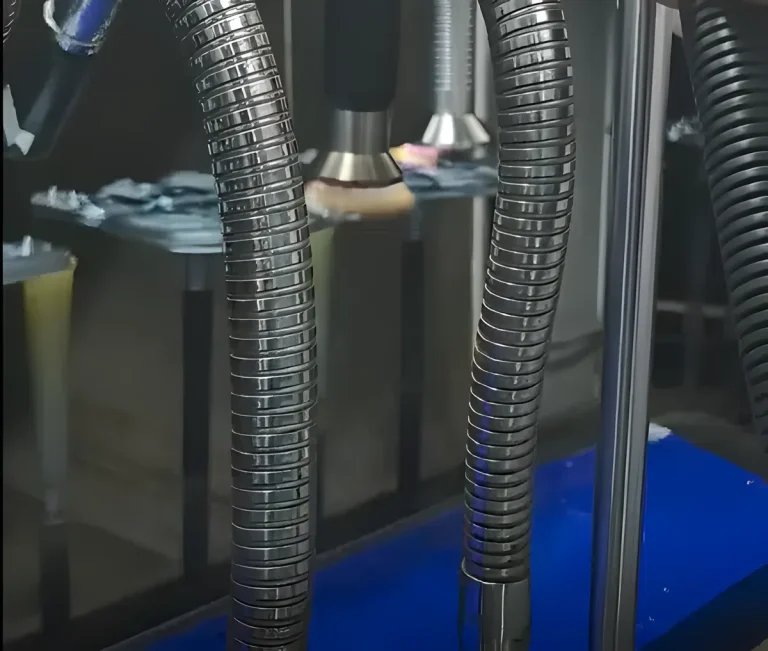
Automation and scalability options are also suitable for plasma treatment systems. They help to optimize the process and ensure higher productivity.
The integration of plasma systems into high-volume headlight production lines has also simplified plasma processing a great deal.
Over-treatment can also be a counterproductive factor to plasma processes. Operators must avoid overexposure to plasma as that can cause setbacks.
Letting a headlight material stay inside a plasma machine for longer than necessary can result in surface degradation.
It is essential to recognize the various challenges and considerations that shape our understanding and approach to effective solutions.
Do not use generic settings for all plasma operations. Plasma treatment processes should be based on specific materials.
Material-specific adjustments are necessary to obtain maximum output in plasma processes.
Tailoring plasma settings for different headlight materials is crucial and should be considered for all applications.
Many potential investors like to focus all their attention on the cost of purchasing plasma machines. The truth is that a plasma treatment machine is costly, considering the amount you need to pay upfront to acquire the machine.
However, the best way to go about plasma investment is by balancing initial investment with long-term quality improvements. The long-term advantages of plasma machines justify every penny you invest in them.
Regulator compliance is essential in the headlight industry. This is another vital consideration to keep in mind before investing in headlight bonding.
Whatever you do, you must ensure the process meets automotive industry standards.
Below, we focus on future trends in plasma treatment for headlights, which promise to revolutionize performance and sustainability in automotive lighting.
Plasma is advancing the treatment of surfaces, enhancing adhesion for multifunctional coatings such as anti-glare and self-cleaning layers.
Advanced Materials
While plasma works with a wide range of materials for now, emerging technologies are expanding its scope to be compatible with more materials.
For instance, expect plasma treatment to work with emerging lightweight composites in headlight design.
AI is creeping into all aspects of human endeavour, including headlight bonding. Advanced plasma machines will see the integration of AI to enhance precision and efficiency in plasma treatment systems. This will impact the quality of plasma-treated materials for the headlight industry.
Headlights serve various functions, but regardless of their specific purpose, they are expected to have a strong bond.
This article has sufficiently explained the importance of plasma treatment in headlight bonding. It reveals how plasma enhances headlight performance and durability.
Are you seeking a plasma treatment machine to clean and prepare headlights for bonding applications? Then, check out our list of efficient plasma machines.



English

Japanese

Korean
Rogatus ad ultimum admissusque in consistorium ambage nulla praegressa inconsiderate