Plasma Basics

Plasma Technology Knowledge

The plasma surface treatment process uses ionized gas to change a material's surface at the molecular level, leaving the bulk properties underneath untouched.
The Basics

What Is Plasma?

The Fourth State of Matter

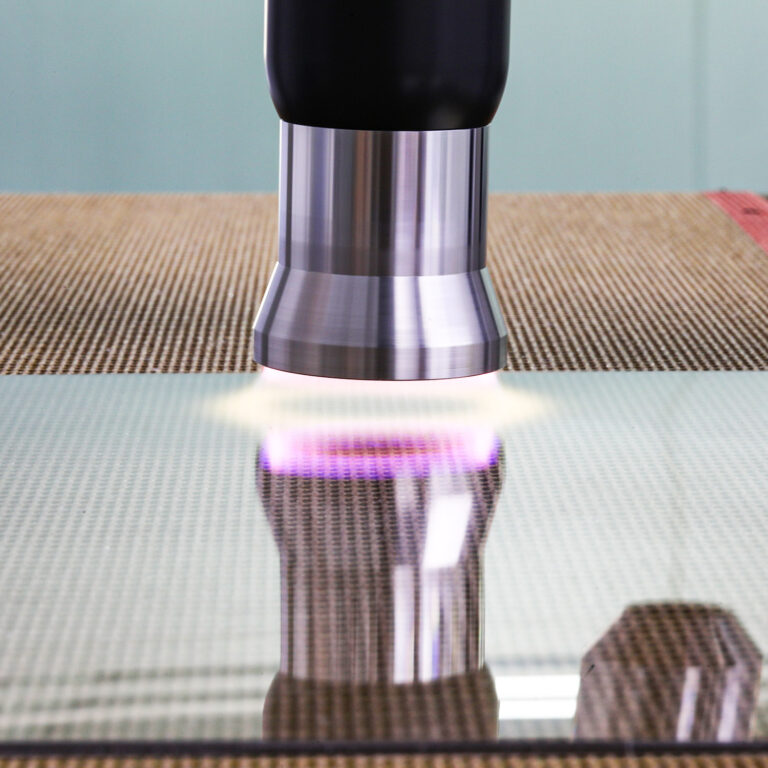
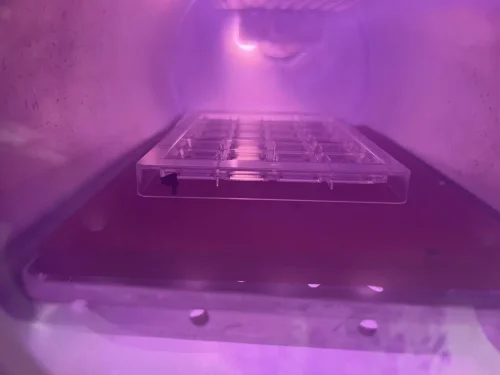
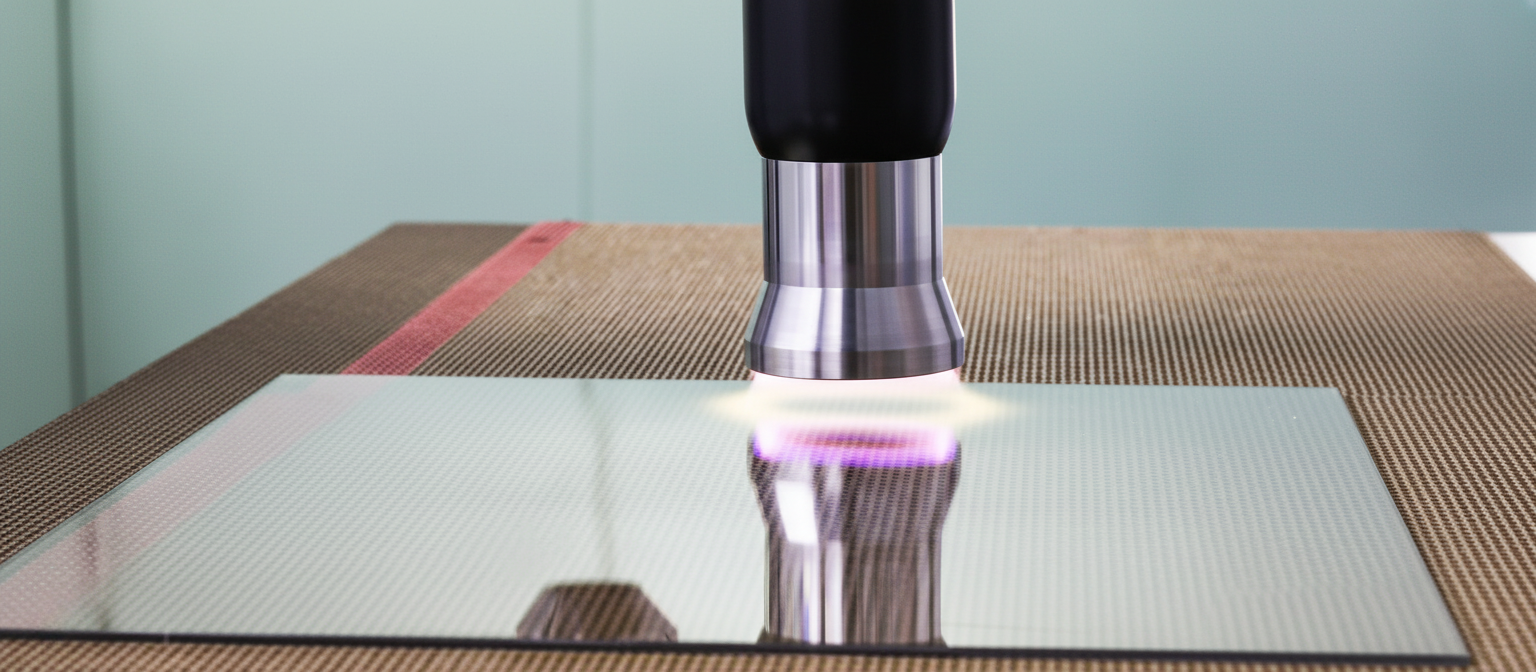
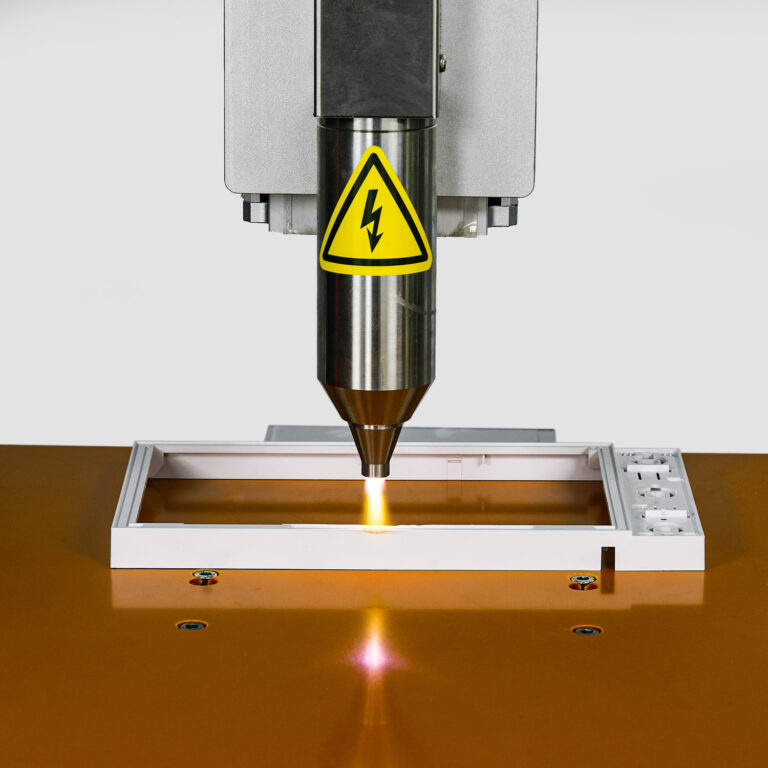
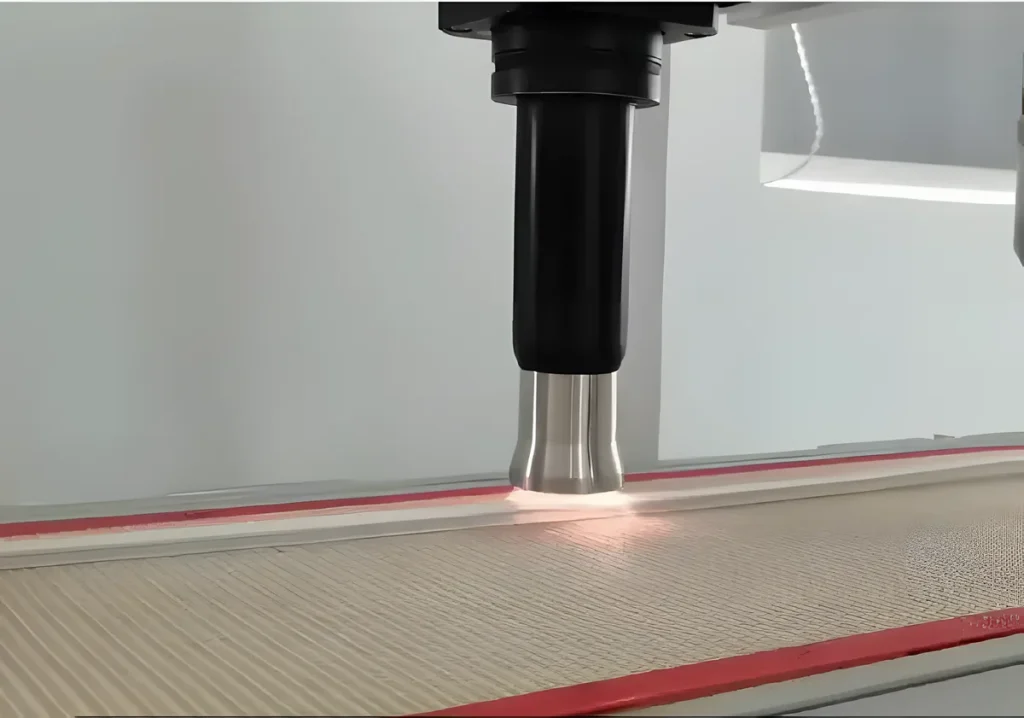
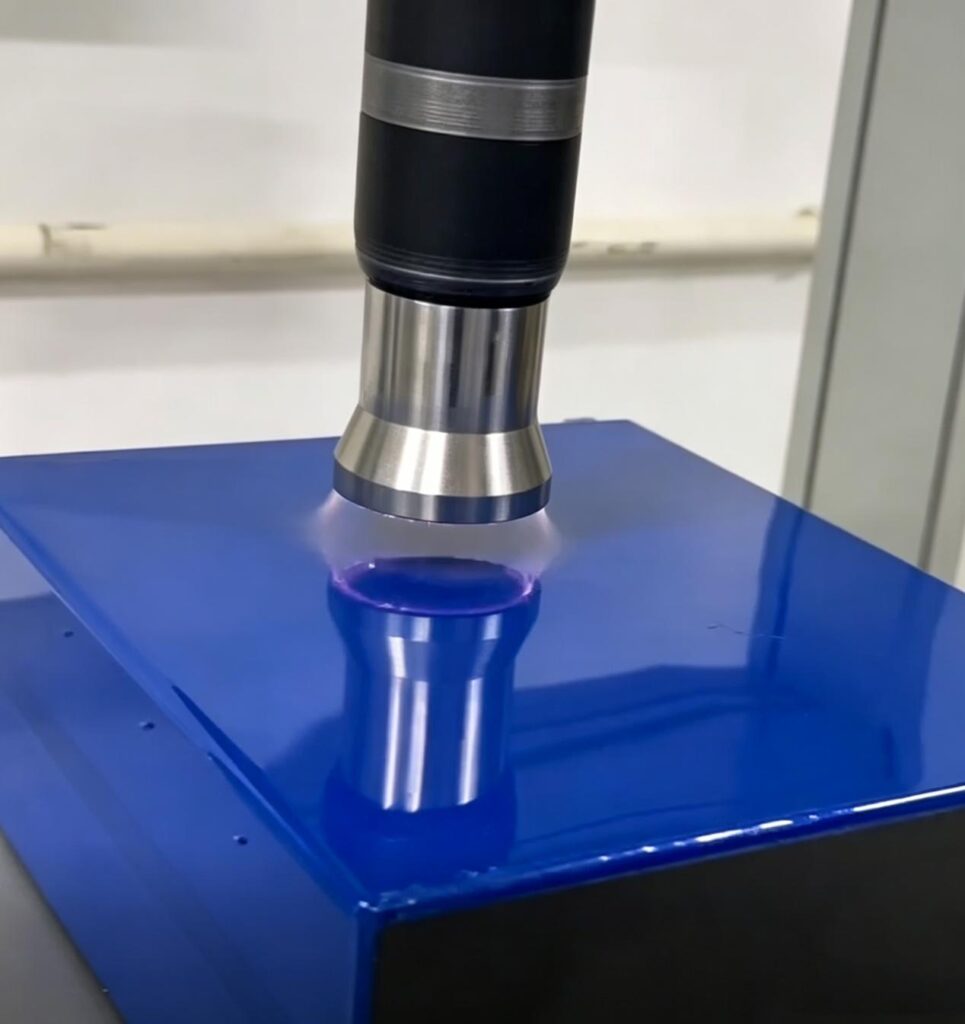
Industrial plasma for surface treatment is generated either inside a sealed, evacuated chamber (vacuum plasma) or directly in open air using an electrode-generated discharge, known as atmospheric plasma treatment. Both routes produce the same fundamental physics — an ionized gas — but deliver it to the part differently, which changes what geometries and line speeds each suits.

  • Free electrons, positive ions, and radicals
  • Chemical, physical, and UV energy
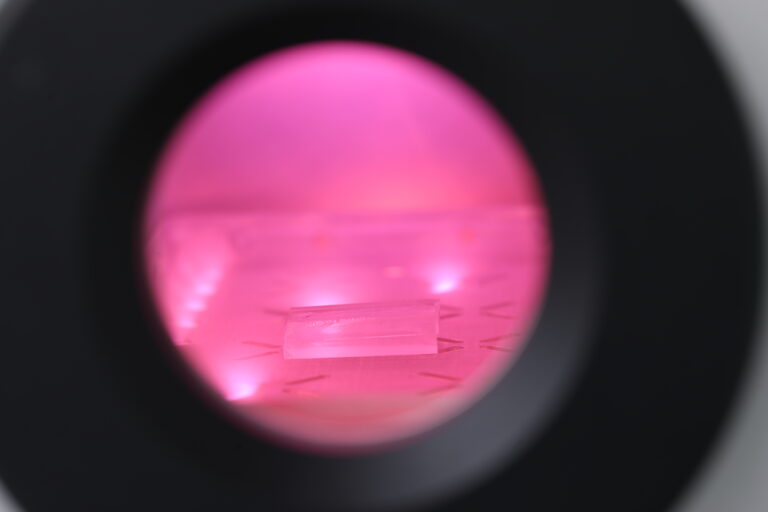
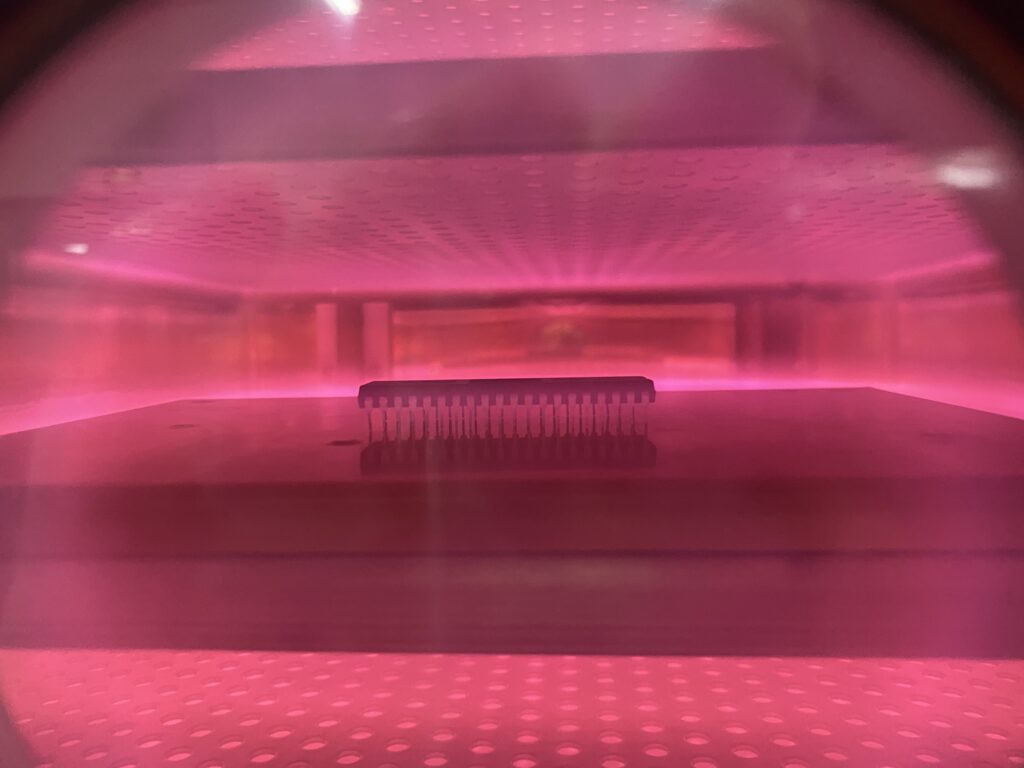
  • Vacuum plasma in a sealed chamber
  • Atmospheric plasma in open air
Step by Step

How the Plasma Surface Treatment Process Works

Every plasma surface treatment follows the same three-stage sequence: gas is turned into plasma, the plasma strikes the surface, and the surface changes as a result.

  • Step 1 — Gas Selection and Ionization

    • A process gas — oxygen, argon, nitrogen, or ambient air — is fed into a vacuum chamber or atmospheric nozzle, and an electrical field strips electrons to ionize it into plasma.
    • Vacuum systems run at low pressure while atmospheric systems generate the discharge locally at the nozzle at normal ambient pressure.
    • Exposure time is short in both cases, typically a few seconds to several minutes depending on the material and the effect targeted.
    • Gas selection is the first variable to lock down; the plasma process technologies archive breaks down each gas by outcome.
  • Step 2 — Surface Bombardment and Reaction

    • Once plasma reaches the part, ions, electrons, and UV photons bombard the surface, dislodging loosely bound contaminants and even knocking away a thin top layer if exposure is aggressive.
    • Chemically, reactive radicals break existing bonds and form new ones: oxygen adds carbonyl and hydroxyl groups, nitrogen adds amine-type groups, and argon creates free radicals.
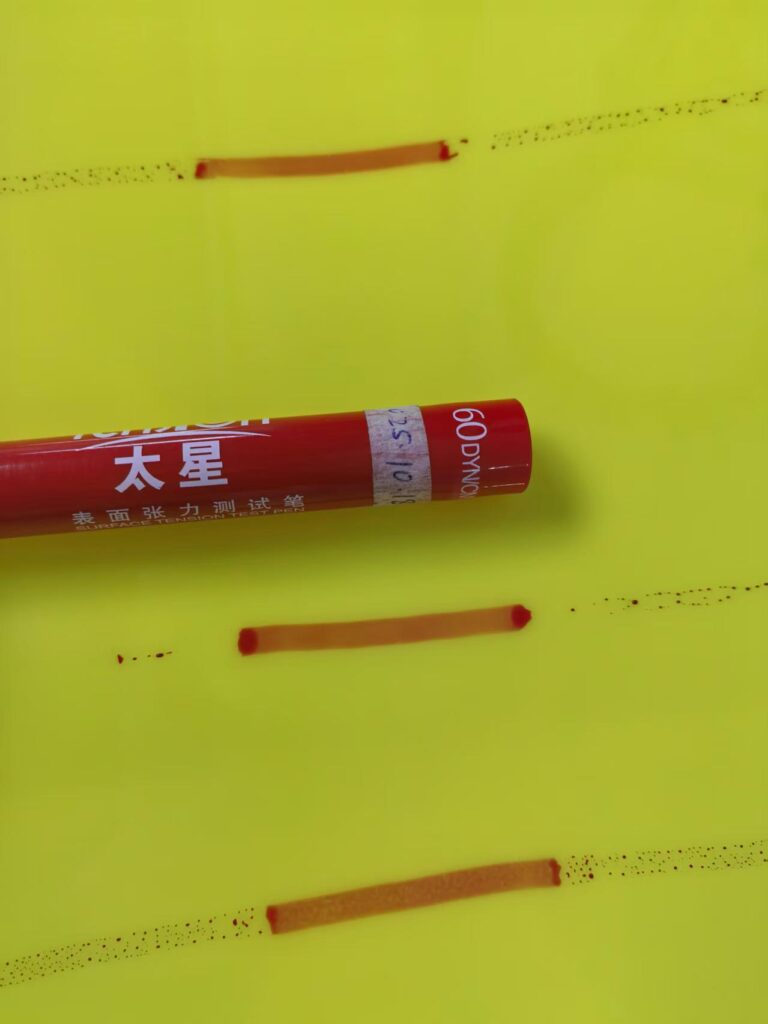
    • On untreated polypropylene, surface energy sits around 30 dyne/cm; a tuned cycle can raise it to roughly 70 dyne/cm, above the ~38 dyne/cm inks and adhesives need.
    • This combined physical-plus-chemical action is what's meant by plasma treatment surface modification.
  • Activation, Cleaning, Etching, or Deposition

    • Cleaning — the plasma strips organic contaminants and oxides, leaving a chemically bare surface ready for the next process step.
    • Activation — the plasma raises surface energy by grafting polar functional groups, the mechanism behind low-temperature activation systems built for adhesive, ink, or coating adhesion work.
    • Etching — higher power and longer dwell time push the same bombardment further, physically removing material to roughen or micro-structure the surface, covered under plasma etching.
    • Ashing and deposition — oxygen-based plasma stripping photoresist (Plasma Ashing & Photoresist Removal) and plasma-enhanced deposition of thin films (PECVD Explained: How Plasma-Enhanced CVD Deposition Works) use the same ionized-gas mechanism in the opposite direction.
  • Adhesive-Free Joining

    • Adhesive-free joining relies on activated surfaces and is its own outcome, covered under Plasma Bonding Explained: How Plasma Enables Adhesive-Free Bonds.
    • Push the same bombardment too far and heat- or ion-sensitive polymers degrade instead of activate, so calibrated power, gas flow, and dwell time matter more than running the plasma longer.
    • The full chemistry of activation is broken down under plasma surface activation.
    • If you're weighing which outcome your parts need before speccing equipment, our team can walk through gas, power, and dwell-time settings for your material — get in touch.

Vacuum vs. Atmospheric Plasma

Vacuum plasma treats whole loads in a sealed chamber; atmospheric plasma treats locally at a nozzle for inline lines. If you're unsure which fits your part, talk to us about your process before choosing.

Vacuum PlasmaAtmospheric Plasma
PressureSealed chamber, ~0.1–1 mbar (10–100 Pa)Open air, ambient pressure
CoverageWhole-chamber, treats all exposed surfaces at onceLocalized, follows the nozzle path; wide parts need overlapping passes
Best fitBatch loads, complex 3D parts, lab/pilot runsInline, flat or simple-geometry parts, high-speed lines
Cycle stylePump-down, treat, vent (batch cycle)Continuous, no vacuum cycle

What the Process Changes on a Surface

Plasma treatment raises surface energy, so liquids spread flat instead of beading up. Underneath, contaminants are removed and new polar functional groups are grafted onto the outermost molecular layer.
Applications

Materials & Industries

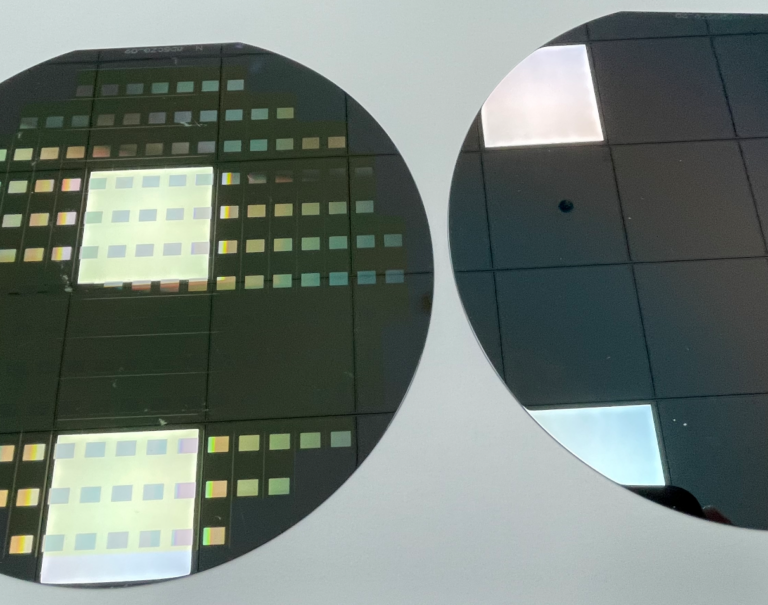
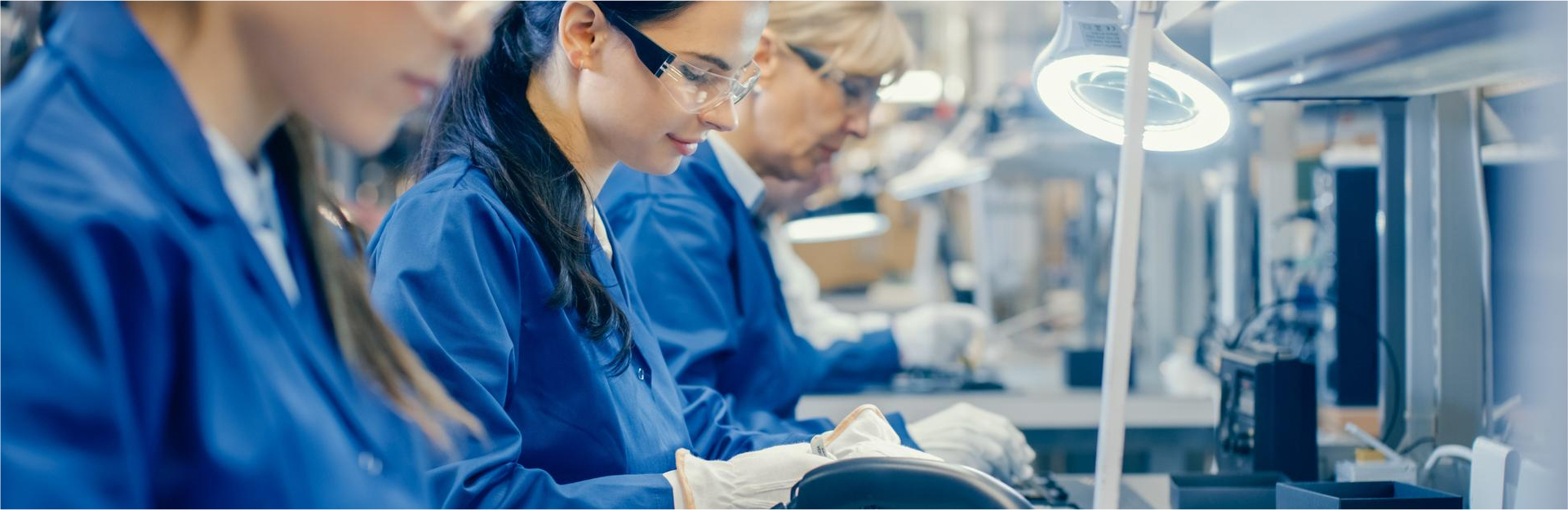
Plastics, metals, glass, ceramics, and textiles all respond to plasma, though gas and power settings differ by material. Industrial use spans Plasma Treatment for Plastics & Rubber and more. Plasma Cleaning for Semiconductors & Electronics

  • Medical & Biomedical

    Surface activation and cleaning ahead of coating, bonding, or sterile packaging steps, covered in Plasma Treatment for Medical Devices.

  • Packaging & Printing

    Activating film and board surfaces so inks and coatings adhere without added chemical primer, as in Plasma Treatment for Packaging & Printing.

  • Automotive & Aerospace

    Pre-bond and pre-paint surface prep on components including battery housings and structural assemblies, as in Plasma Treatment for Automotive & Industrial.

  • Knowledge Archives

    The gas chemistries and equipment formats behind each of these applications are collected in the Knowledge Archives.

  • Wide Substrate Range

    Plastics, metals, glass, ceramics, and textiles all respond to plasma, though the specific gas and power settings differ by material.

Surface Aging

How Long Does Plasma Treatment Last?

Plasma-treated surfaces don't stay treated indefinitely: the polar functional groups are thermodynamically less stable, so the surface drifts back toward its lower-energy, less wettable state — hydrophobic recovery, or surface aging.
  • PTFE and other highly fluorinated polymers revert fastest, often losing wettability within hours.
  • Glass, metals, and engineering polymers hold treatment for days to weeks.
  • Treat close to the next step; verify surface energy if parts sit.
introduce

Choosing the Right Plasma Process

For help sizing a vacuum or atmospheric system to your part geometry, gas requirement, and production speed, contact Fari Plasma directly.

Parts on a continuous line suit atmospheric delivery, while complex geometries lean toward vacuum chambers, as shown in PDMS Bonding with Oxygen Plasma: A Practical Guide.

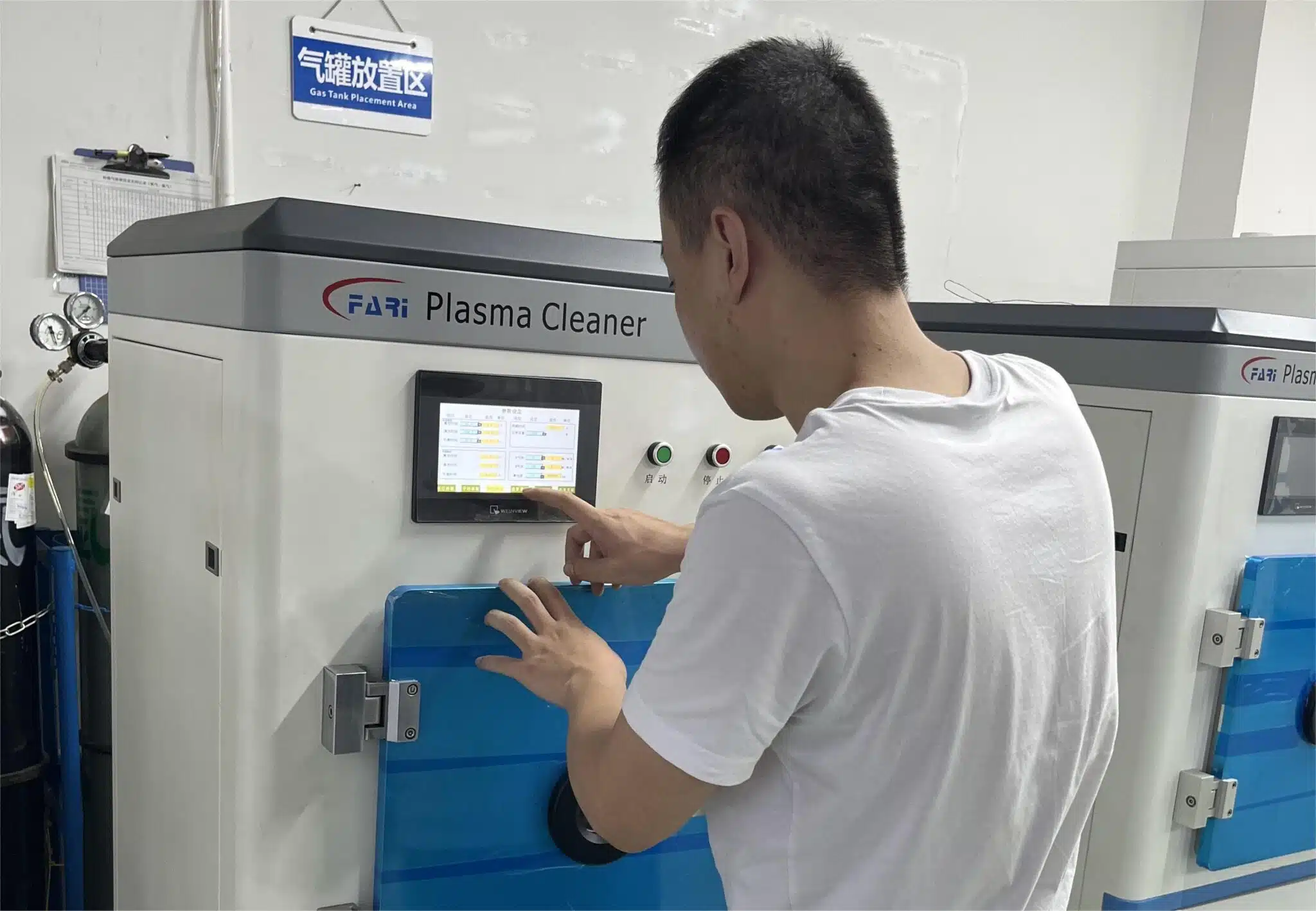
Plasma cleaners overcome this challenge by using high-speed, high-energy plasma to chemically and physically modify the surface. This process optimizes the material's surface, creating an active layer that is essential for successful subsequent operations like printing, bonding, and coating.

FAQs

Plasma Surface Treatment FAQs

How long does plasma surface treatment last?
Duration varies by material and gas used. Many surfaces retain improved wettability from a few hours to several weeks before hydrophobic recovery causes surface energy to decrease. For the best adhesion, bonding, or coating results, treat parts as close to the next process step as practical rather than stockpiling treated inventory.
What are the disadvantages of plasma cleaning?
Plasma cleaning requires an initial equipment investment. Vacuum systems also operate in batch cycles, adding pump-down and vent time compared with fully inline processes. Treatment effects can diminish through surface aging, so the interval between treatment and the next production step must be controlled.
How much does a plasma treatment system typically cost?
Cost depends on the equipment type—benchtop, inline atmospheric, or fully customized—as well as the required throughput and material being treated. See our Plasma Treatment System Cost 2026 guide for a detailed breakdown of the main pricing factors.
What are the risks of plasma treatment?
The main risks involve process control. Over-treatment can degrade sensitive polymers through chain scission, while heat- or ion-sensitive materials require carefully adjusted power and dwell time. A contaminated chamber or nozzle may also redeposit contaminants. Proper calibration and routine maintenance help keep these risks manageable.
What is the difference between plasma treatment and plasma cleaning?
Both use the same ionized-gas mechanism, but their intended outcomes differ. Plasma cleaning removes contaminants to leave a chemically clean surface, while plasma treatment or activation raises surface energy by introducing functional groups that improve bonding, printing, or coating adhesion.
What are the types of plasma treatment?
The four main types are activation, which raises surface energy; cleaning, which removes contaminants; etching, which removes material to roughen or microstructure a surface; and deposition or coating, which forms a thin film. Each process is controlled through gas chemistry, power, and exposure time.
What is plasma surface treatment used for?
Plasma surface treatment improves adhesion, bonding, printing, and coating performance on plastics, metals, glass, and electronic components that would otherwise resist inks, adhesives, or coatings because of low surface energy or contamination.