
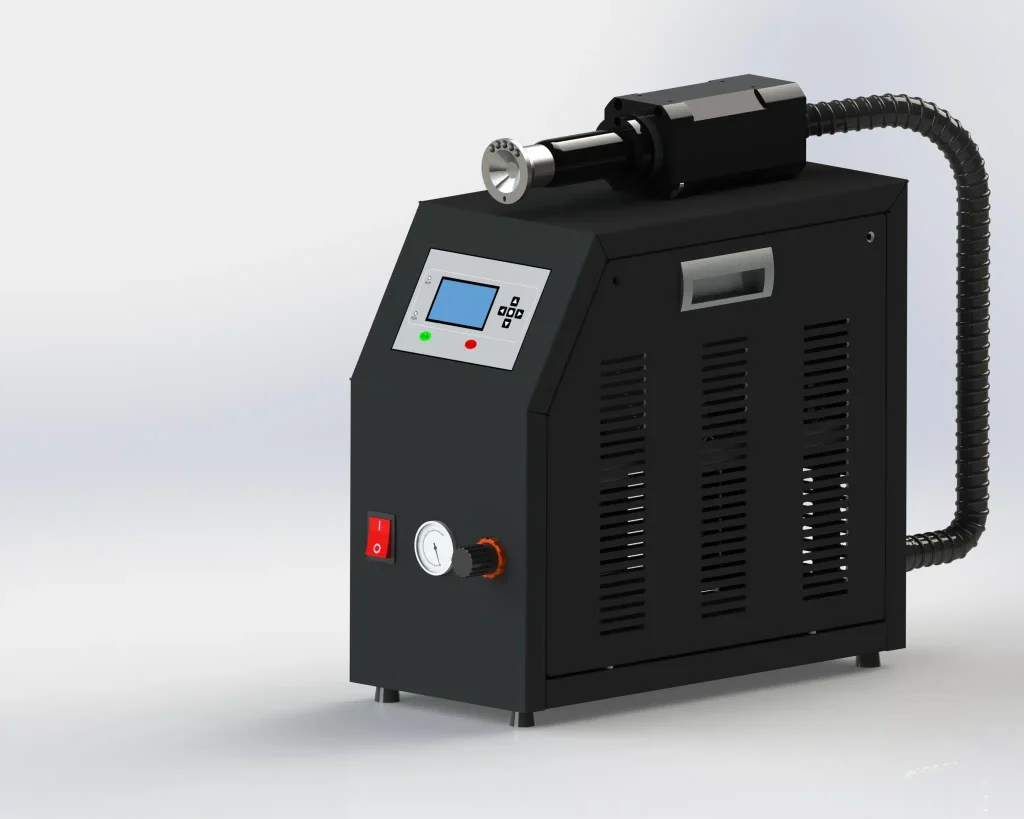
Interior trim panels are parts of an automobile’s interiors that offer beauty. These trims also serve a functional purpose and give a clean and elegant finish. On the other hand, the strength and quality of these panels largely depend on effective bonding methods.
This article focuses on how plasma cleaning aids in bonding issues, improving adhesion and increasing production rate of vehicles.
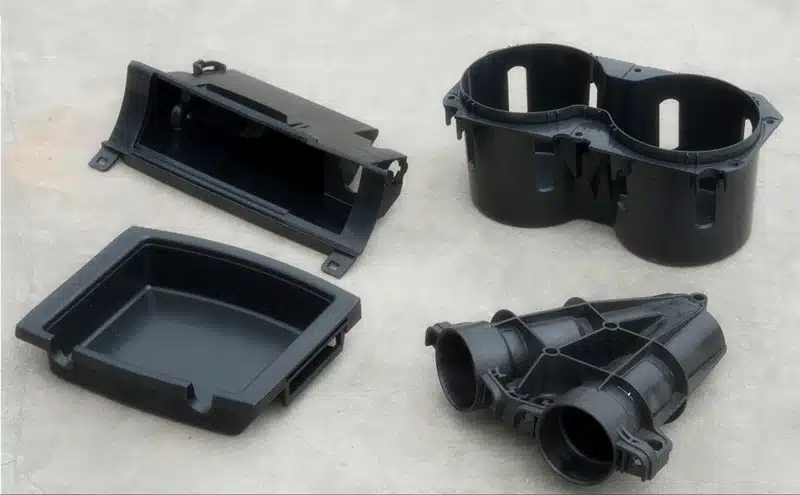
As stated earlier, interior trim panels are important because of their attributes and purpose in a vehicle. This assists in comprehending the role of plasma cleaners. They are very important in the designing of a vehicle and its overall performance as they add both aesthetic value and improve its functions.
A combination of various materials is used to manufacture the trim panels, as they are expected to serve dual purposes. These materials have functional and aesthetic properties. Each component of material adds its characteristic to the vehicle’s trim making it aesthetic and more interestingly the robustness of the trim.
ABS, polypropylene plastic, and polycarbonate are commonly used in trim panels. As they are low cost, have long structural life, and offer design flexibility. Their durability makes them suitable for various automotive applications.
Aerospace or aircraft parts composites are superior, for strength and flexibility, and consist of different products. They are in vogue for working designs as they are strong and light. These materials are preferred for their ability to withstand stress and provide seamless finishing.
Trim panels are decorated and structured with the help of fabrics and metals. Color and texture are provided by fabrics and strength. While a superior look is provided by metals. They make the impression of the interior design more complete. In addition, they are aesthetically pleasing and useful.
Each material presents distinct challenges in bonding due to its unique surface characteristics. Effective joining and interconnections are made possible by recognizing these differences.
Trim panels are complex structures having various functions in the design of vehicles.
Enhancing Aesthetics: They provide depth, paint and sophistication to interiors by creating a neat finish.
Providing Structural Support: Panels form the whole interior parts of the vehicle and thus prevail to strengthen the claim.
Improving Comfort: They absorb shocks and also reduce sound. Hence, it gives a pleasant experience while driving the vehicle.
Appreciating these functions explains why stable bonding is of paramount importance. It increases the performance of individual parts and their durability.
The interior trim panels serve the intended purpose with good bonding for a considerable period.
Durability: A good bonding avoids separation, bending, or breaking of trim panels while under physical force, improving durability.
Safety: The bonding keeps panels fixed to each other during usage or when force is exerted.
Aesthetic Quality: It also preserves clean looking surfaces with no faults or openings.
All the factors discussed underline the complex and meticulous application of bonding agents.
Following are the challenges encountered in bonding the interior trim panels.
Most plastics and composites have low surface energy which makes the adhesive bonding hard to take place.
Manufacturing by products like oils, dust or releasing agents are left behind after the production, making the bonding hard. Therefore, these contaminants should be cleaned.
Lack of adhesion onto material surface may lead to peeling, delaminating or weak attachments. Such conditions affect the functionality as well as the appearance of the item.
The interior panels are exposed to environmental stresses like heat, moisture and vibrations. These stresses increase the chances of weak joint failure.
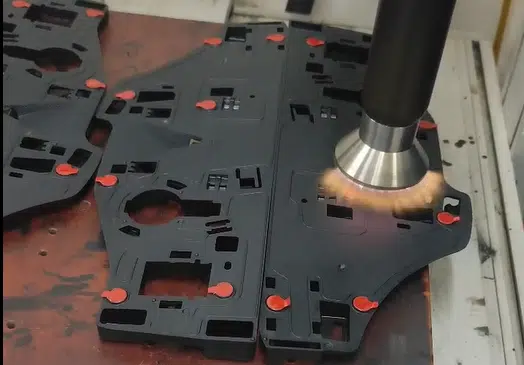
After identifying the problems, it is now time to look at how plasma cleaning is a beneficial solution to all of the issues discussed previously.
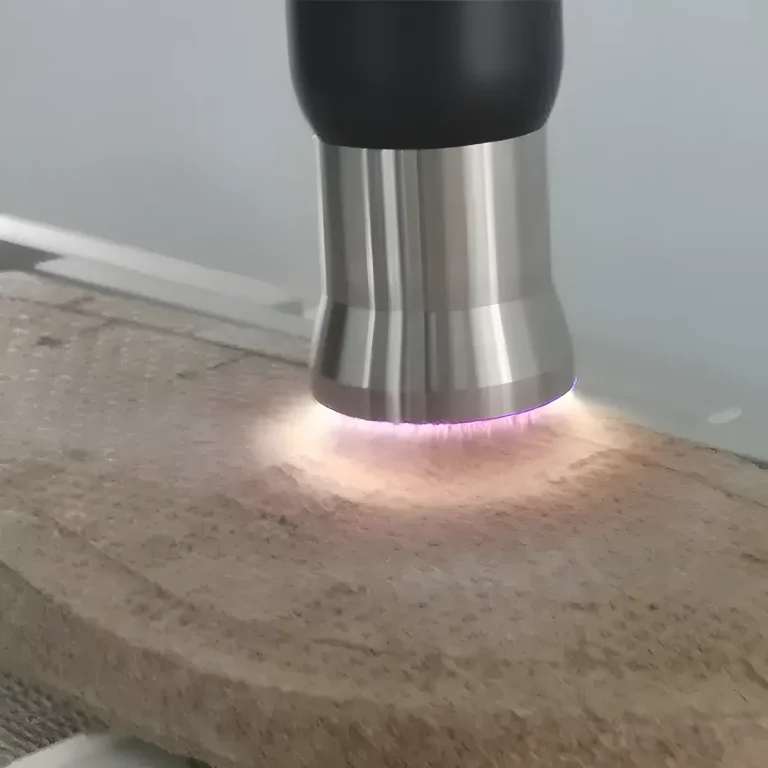
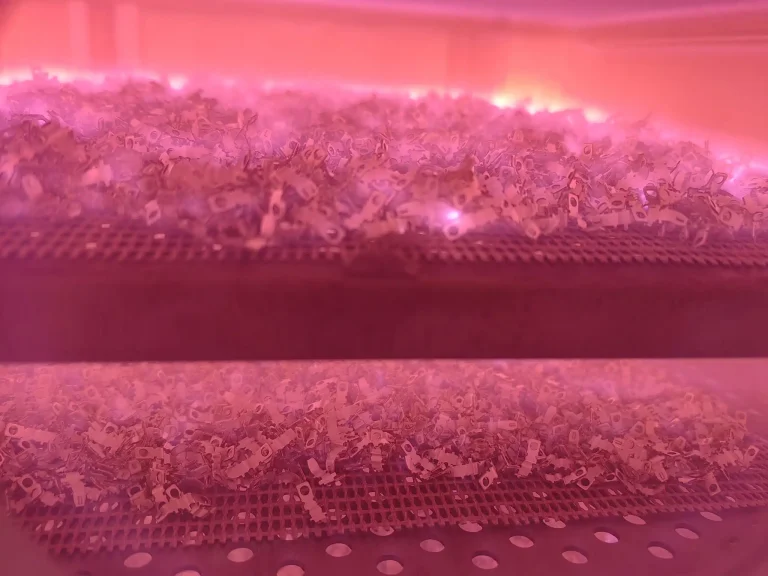
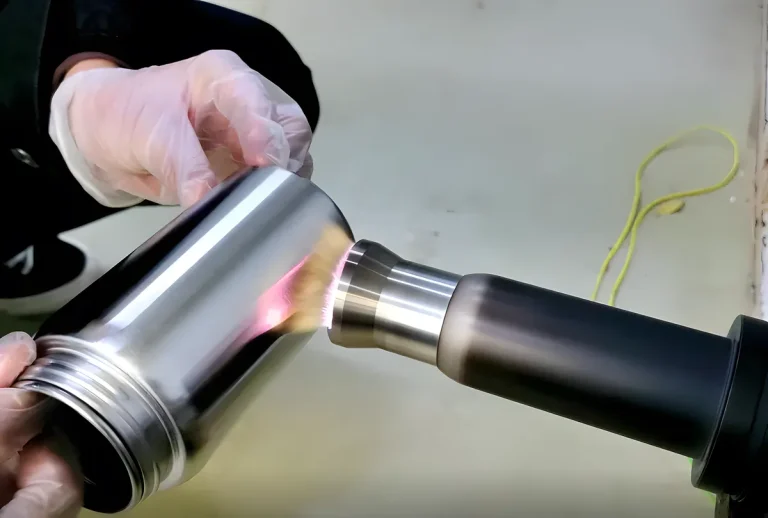
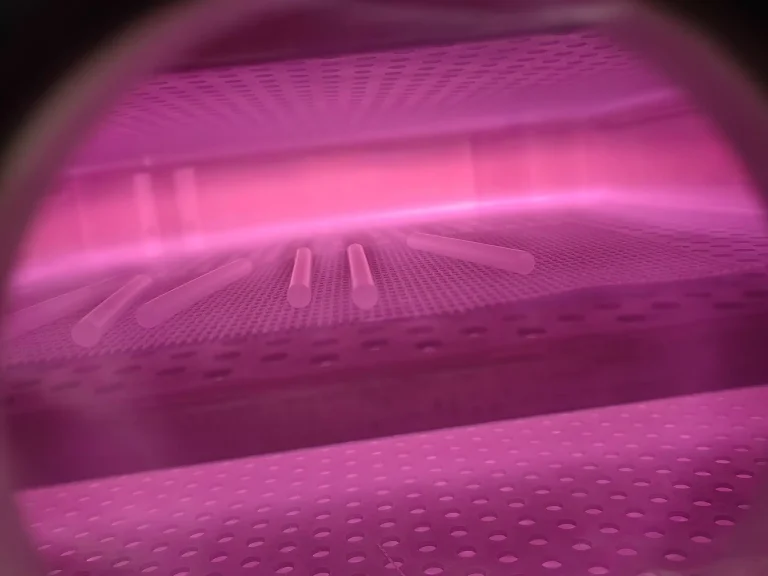
Plasma cleaning is a surface treatment process that uses extreme conditions. It modifies the nature of surfaces to create better conditions for adhesion. Adequate plasma treatment involves gas ionization.
Plasma treatment method is based on the following governing principles:
Plasma cleaning is known to increase “bonding” on all materials. Additionally, it ensures that stronger bonds are formed on plastics, composites, metals and fabrics utilized for trim panel joining.
Plasma cleaning ionizes imperfect bonds to enhance the cross compatibility of layers. Such improvements address bond issues and enhance the overall quality of production.
Plasma cleaning improves products with a strongly adhesive surface. This helps to achieve a strong bond with adhesives, coatings and layers.
Trim panels tend to last longer as items bonded with plasma can withstand temperature variations and vibrations, among all other environmental factors.
Surfaces that undergo plasma cleaning do not have irregularities like peeling off and bubbling, giving the intended polished appearance.
Plasma cleaning eliminates the need for chemical primers or aggressive solvents, making it an environment-friendly way of preparing surfaces and applying adhesives.
Plasma cleaning is applied only on particular interior trims because its features and functionalities differ remarkably. Following are some applications of plasma cleaned panels.
Door panels have multiple layers as decorative trims, fabric and insulation. The plasma treatment enables fastening and consistent bonding on them.
In dashboards, plasma treatment is done on some adhesives and coatings which increases the chances of permanent adhesion on coatings.
When plasma treatment is given to the surface in a center console, leather, chrome and plastic applications grow stronger in their affinities.
Fastened fabric or composite trims on internal pillars are plasma cleaned. This results in increasing the strength and appearance of these trims.
In order to achieve efficient cleaning with plasma, the techniques and resources used have to be controlled and consumed efficiently. Useful techniques serve an important role in the better use of the treatment.
Recommended Parameters
The settings of power, pressure and duration of exposure of plasma to the material should be customized accordingly. This will guarantee proper treatment for all of the materials used.
Plastics:
Low powers avoid damage to the upper surfaces from the Astros.
Metals and Composites:
They need a relatively higher power to be effectively cleaned and activated.
Scalability for Mass Production:
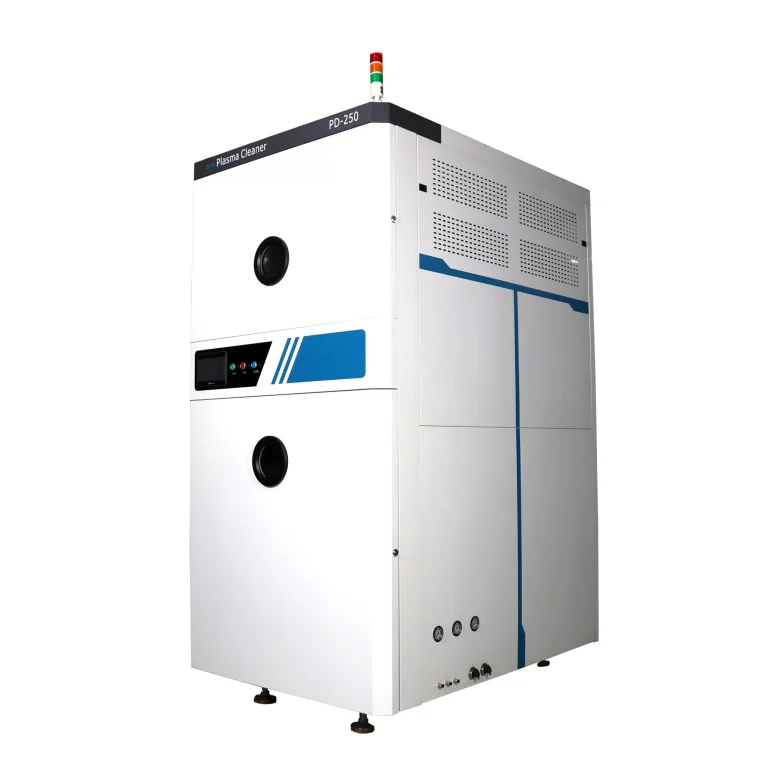
Plasma cleaning systems are automated during high scale production. While ensuring every single part that is produced has the same quality.
Avoiding Over Treatment
Too much plasma cleaning leads to the degradation of surface. It is necessary to control treatment with precision. If not, excellent treatment is not brought about in terms of roughening or damaging the surface.
Following are some challenges that should be considered to get the best results with plasma cleaning.
Material Specific Adjustments
Different material types should be subjected to specific settings within the plasma to achieve the required finished product. Putting on universal plasma treatment does not practically work for every material type.
Equipment Costs
Plasma cleaning systems involve high cost investment. It is excused with the quality and efficiency when the system usage increases over time.
Regulatory Compliance
Plasma cleaners apply mediums within the range of standards in the automotive. They are safe and serve the intended purpose.
Training and Expertise
In frame training is provided to make personnel understand how the plasma systems are used for any application. It is necessary to be trained properly for the efficient use of treatment.
Future Trends in Plasma Cleaning for Trim Panels
Plasma cleaning has been advanced with the development of an effective and greener device.
Advanced Materials
New materials like lightweight composites and eco-friendly options need better plasma cleaning to ensure reliable adhesive bonding.
Smart Solutions
Panels like interior parts with embedded functions like lights or specific areas that respond to touch will be treated with plasma. This will improve their bonding process.
Automation and AI
The role of artificial intelligence in plasma cleaning will be a game changer, improving parameters on every cycle with live bottleneck monitoring.
Sustainability approach
The plasma aid technology allows for greener manufacturing approaches. It is heading in a direction called for by the market.
Conclusion
Interior trim panels are used in car body construction. They provide strength, beauty and comfort to vehicles. Achieving a good bond is necessary for effective use of such materials.
Plasma cleaning offers a new alternative to bonding problems. It helps in increasing adhesion, retention and environmental safety of the bond. This new technology is quickly becoming the norm in the car industry.
Do you want modern bonding techniques for automotive interior parts? Or are you looking for effective plasma cleaning devices? Try our quality plasma systems that will guarantee a uniform outcome.


English

Japanese

Korean
Rogatus ad ultimum admissusque in consistorium ambage nulla praegressa inconsiderate