
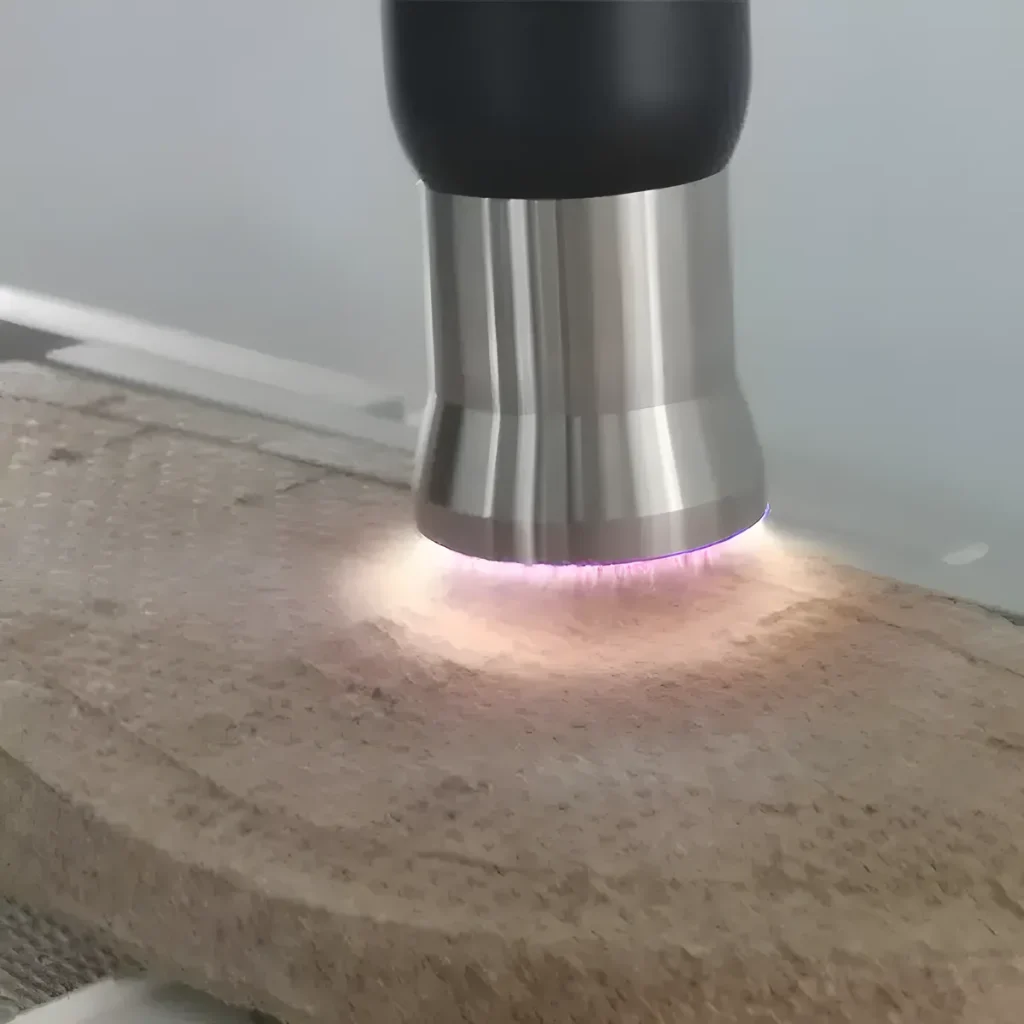
What exactly causes poor adhesion of plastic shoe soles? The reasons behind this are relatively complex and involve multiple aspects.
From the perspective of material properties, different plastic materials have varying chemical structures and physical properties. Non-polar polymer materials like polyethylene (PE) and polypropylene (PP) have low surface energy and poor chemical activity, making it difficult for adhesive molecules to form a tight bond with them, resulting in poor adherence.
Furthermore, residual mold release agents can form a thin film that hinders direct contact between the adhesive and the sole. Additionally, dust and oil contamination in the production environment can reduce the cleanliness of the sole’s surface, compromising the adhesion between the adhesive and the sole. The compatibility between the adhesive and the sole material is also crucial. Each adhesive has its suitable range of materials; using the wrong adhesive will prevent achieving a good bonding effect. For example, using ordinary multi-purpose glue to bond polyurethane (PU) soles cannot generate sufficient adhesive strength, leading to easy sole separation.
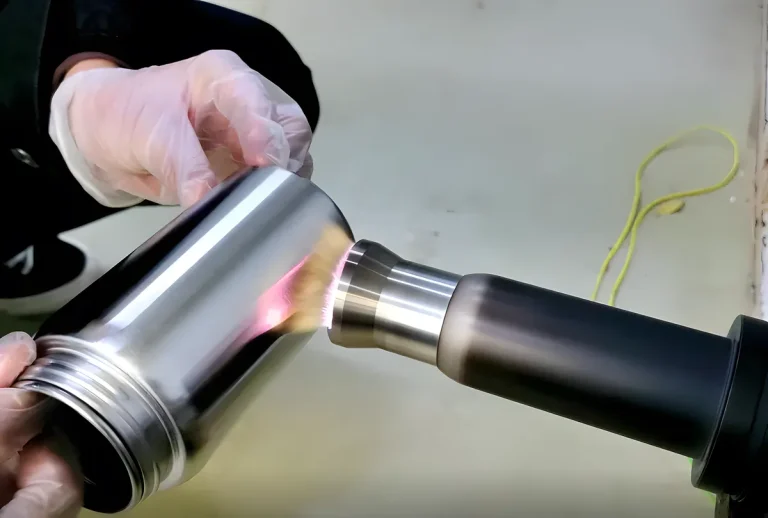
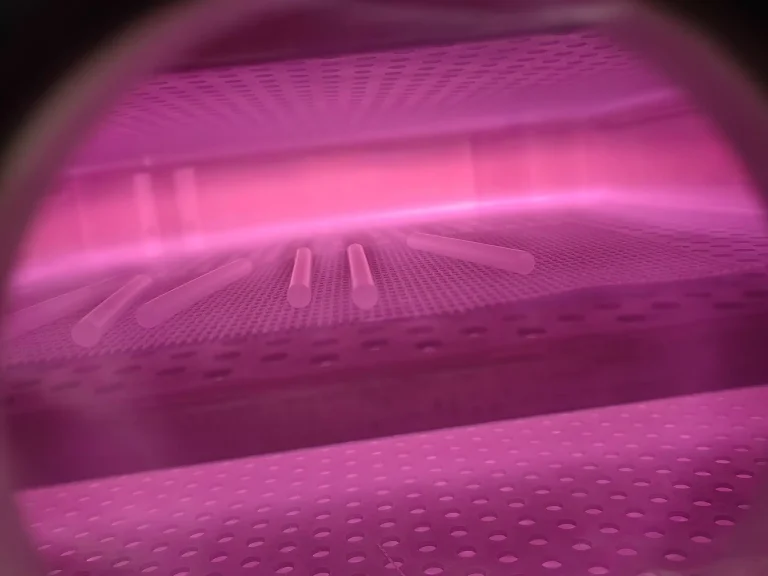
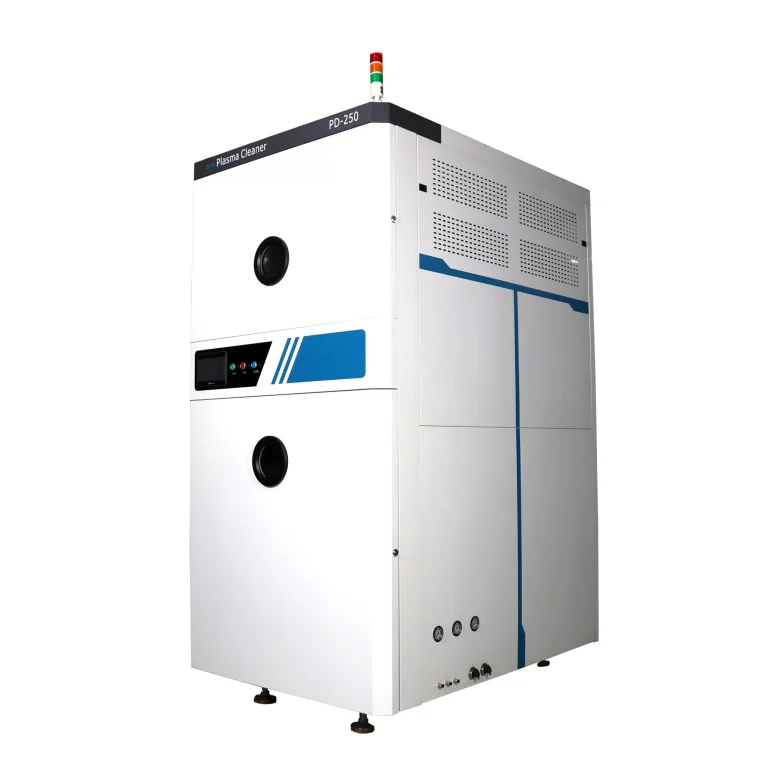
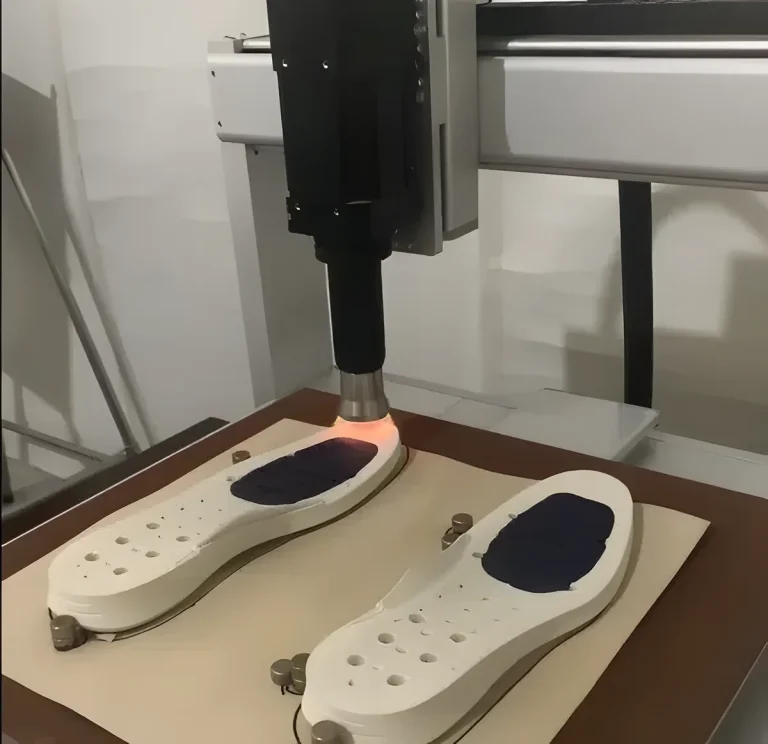
Plasma cleaning machines are high-tech equipment that uses plasma technology to clean, activate, and modify material surfaces. To address the challenge of poor adhesion in plastic shoe soles, it works by removing surface contaminants and increasing surface adhesion.
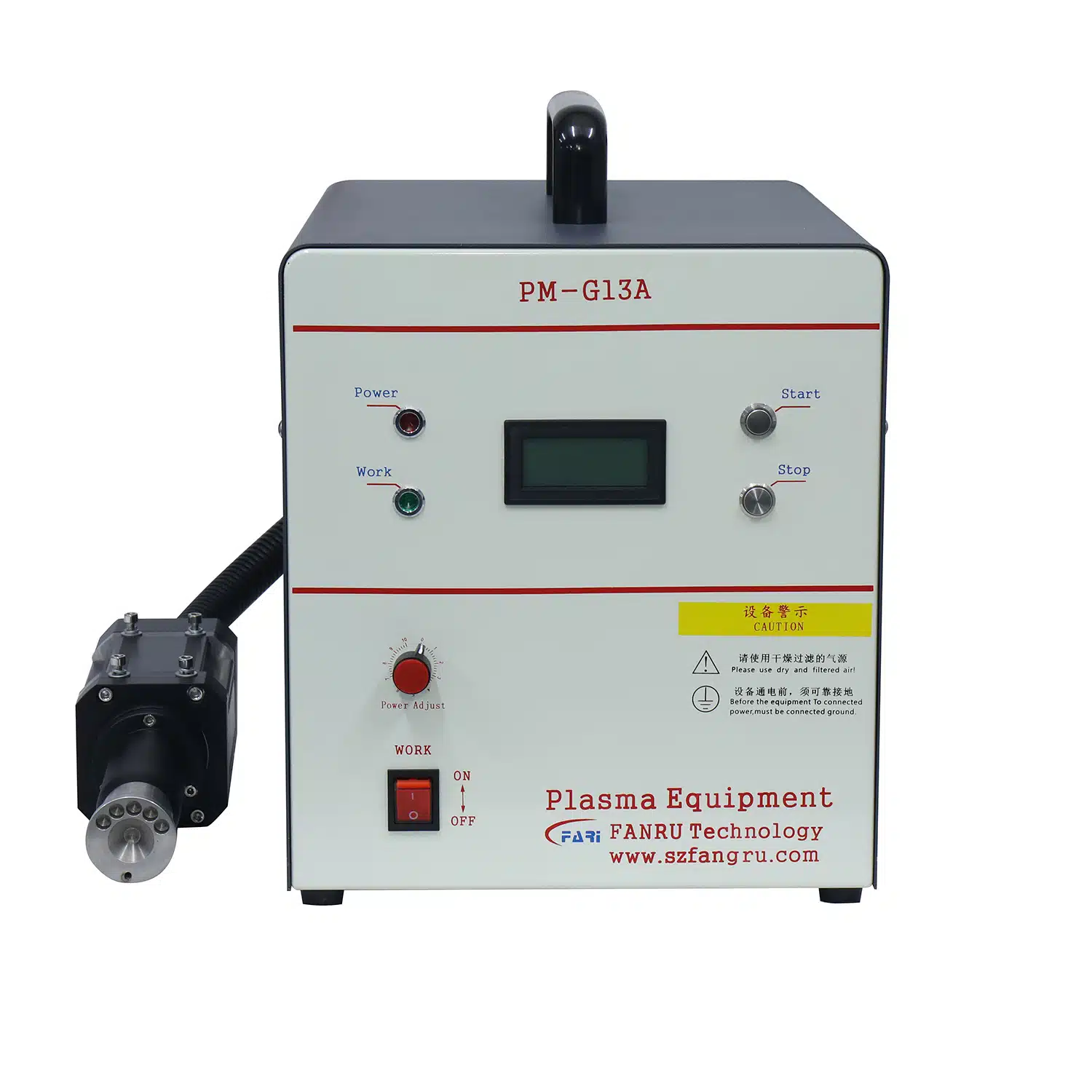
As mentioned earlier, plastic shoe sole surfaces often have contaminants like residual mold release agents, dust, and oil. These impurities block the close contact between the adhesive and the sole. Plasma cleaning treatment strips and removes these contaminants from the surface, making the sole surface clean and creating a good foundation for subsequent bonding. This cleaning method is highly efficient, capable of penetrating into the microscopic pores and crevices of the material surface for comprehensive cleaning, which is difficult to achieve with traditional cleaning methods.
The activation effect is equally crucial. Under the action of active species in the plasma, the plastic material, originally with low surface energy and poor chemical activity, becomes more prone to interact with adhesive molecules after activation treatment. Adhesive molecules can better wet and penetrate the sole surface, forming chemical bonds or stronger intermolecular forces with the introduced polar groups, thereby significantly improving the adhesion between the adhesive and the sole.
Furthermore, plasma can also micro-etch the plastic shoe sole surface, increasing the surface roughness at a microscopic level, which further enhances the strength of the bond.
In practical cases, verification has shown that after plasma activation cleaning treatment, contaminants on the sole surface are thoroughly removed, surface energy is significantly increased, and micro-roughness is optimized. During bonding tests, the rate of sole separation plummeted to below 1%, bonding strength greatly improved, fully meeting product quality standards.
The application of plasma cleaning machines in the field of plastic shoe sole treatment demonstrates numerous significant advantages, making it an ideal choice for the footwear industry.
Environmental friendliness and lack of pollution are standout highlights. Traditional sole surface treatment methods, such as using chemical solvents for cleaning, often generate large amounts of wastewater and exhaust gas containing harmful substances. These pollutants not only cause serious environmental damage but also pose health risks to operators. Plasma cleaning machines use dry cleaning technology; the entire process does not require any chemical solvents, relying solely on the physical and chemical reactions between the plasma and the material surface for cleaning and modification. No secondary pollution is generated after treatment, truly achieving green environmental protection. This complies with the current global stringent requirements for environmental protection, allowing footwear companies to improve product quality while actively fulfilling social responsibility.
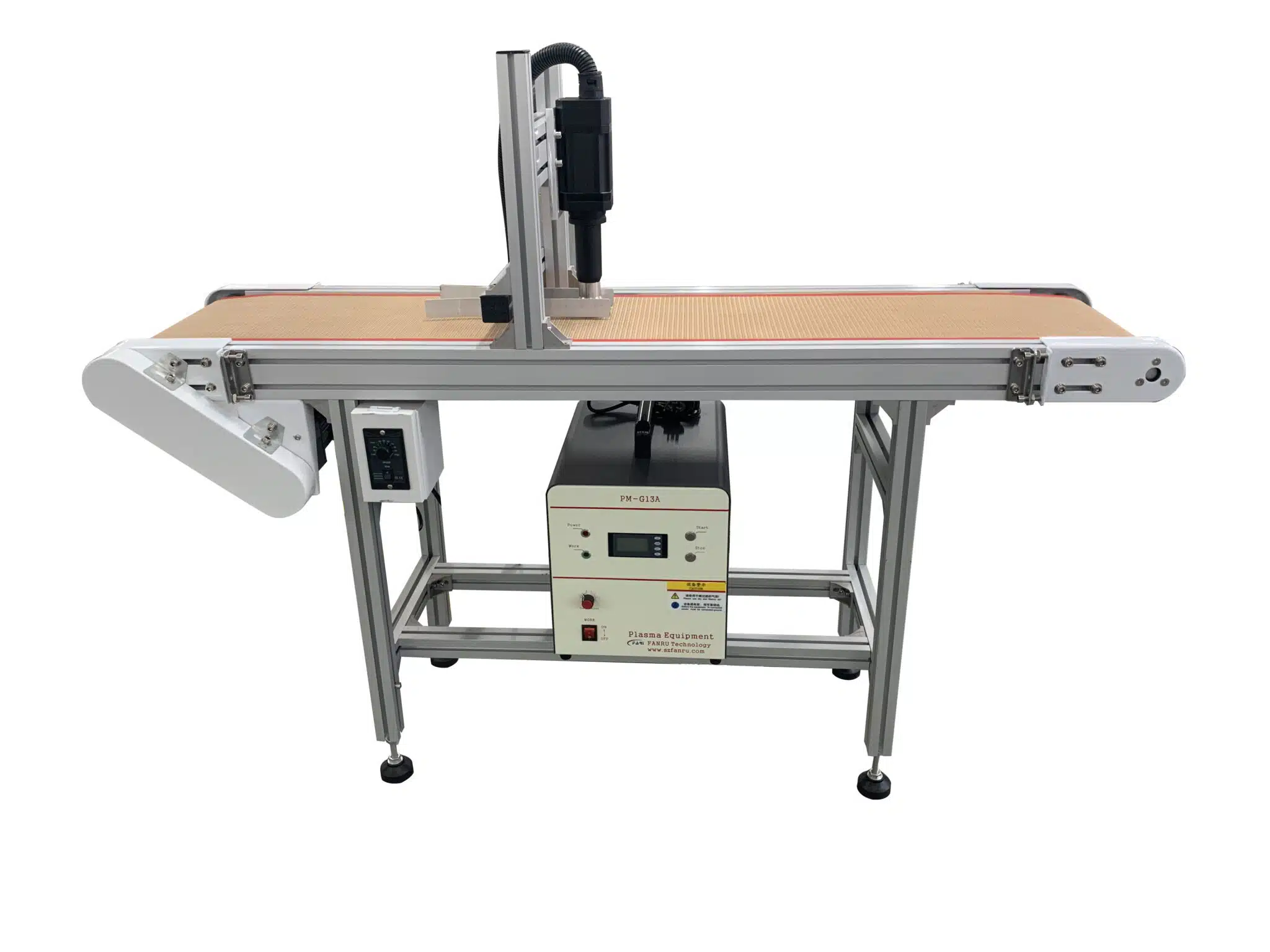
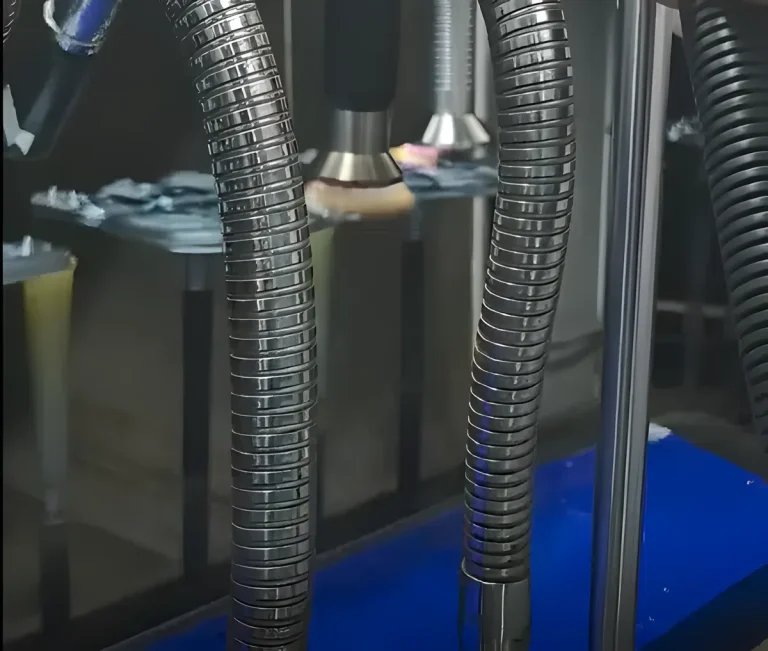
Additionally, it can be integrated into production lines, greatly improving efficiency. In modern footwear manufacturing, production line models are very common, requiring tight connection and efficient operation of various production stages. Plasma equipment can be easily integrated into existing shoe production lines. Its operation is simple and convenient, with fast processing speeds, enabling the surface treatment of large quantities of soles in a short time.
From a cost perspective, it also offers clear advantages. On one hand, it significantly improves the adhesion between the sole and the adhesive, allowing for a reduction in the amount of adhesive used. On the other hand, it reduces the product defect rate and return rate caused by sole separation, lowering after-sales costs and brand reputation losses for enterprises. Considering these factors, using plasma cleaning machines can effectively reduce the comprehensive production costs for enterprises and enhance their economic.


English

Japanese

Korean
Rogatus ad ultimum admissusque in consistorium ambage nulla praegressa inconsiderate