Equipment Matching Customization

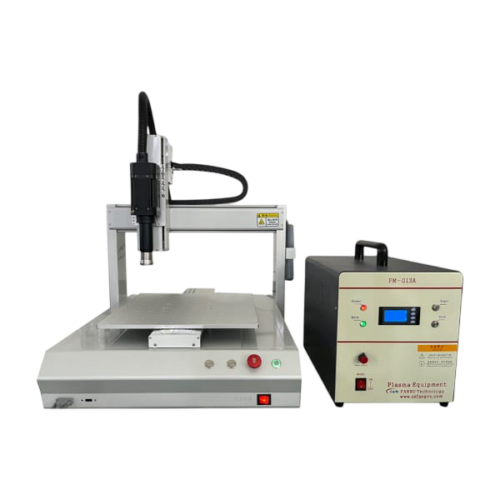
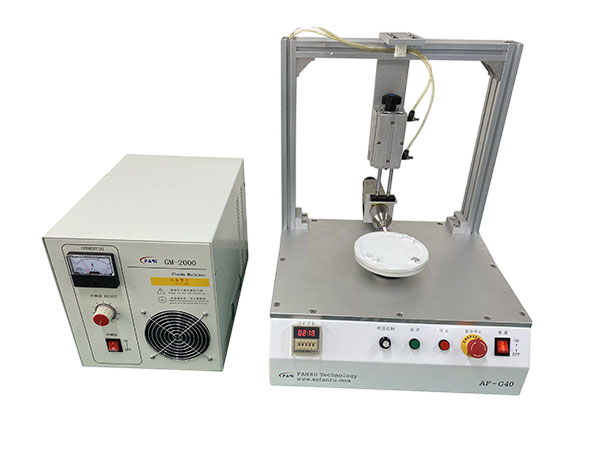
AF-G40 Plasma Treatment Machine & Rotating Platform

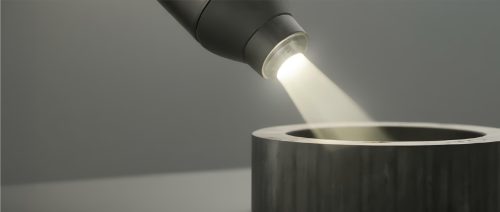
We have researched and developed the plasma treatment machine and plasma cleaner for 15 years. Plasma Treatment Machine & Rotating Platform is suitable for round materials.
  • It can efficiently handle circular regular regular product
  • Products treatment has a good uniform speed
  • Suitable for various product positioning

Tech Specs

Input Voltage AC220 V
Output Power 1.5KW
Processing Height 8-12 mm
Processing Width 300 mm
Size(L*W*H) 450*400*620mm
Gas Used Air, N2(optional)
Transmission Speed 9-10 m/min

Download Brochure

Key Features

  • Adjustable Rotation Speed

    A speed-regulating motor and cylinder rotation mechanism allow precise speed adjustment from 1 to 5 revolutions per second for process optimization.

  • Stable Treatment Gap Control

    Maintains a controlled plasma treatment distance of 8–12 mm with flexible positioning, ensuring repeatable and reliable processing results.

  • Compact Design

    Bench-top footprint (450 × 400 × 620 mm) combined with 1.5 kW output power delivers strong performance while saving workspace.

  • Air or Nitrogen Gas Option

    Uses air as standard working gas, with optional nitrogen (N₂) to support different materials and surface treatment requirements.

  • Rotating Platform for Round Parts

    Designed for regular round materials, the rotating platform enables stable 360° plasma treatment on circular parts up to 300 mm in diameter, ensuring full surface exposure.

  • Uniform Surface Activation

    Consistent rotation speed and plasma coverage deliver even surface activation, improving adhesion for bonding, printing, coating, and gluing processes.

Plasma Cleaning Process

  • Plasma Generation

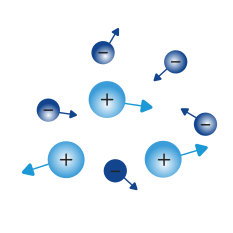
    Process gas is energized and converted into a reactive plasma containing ions, electrons, and radicals.
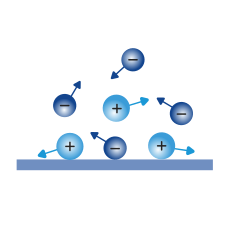
  • Plasma–Surface Interaction

    High-energy plasma species reach the material surface and interact with contaminants at the molecular level.
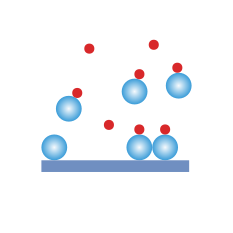
  • Chemical Reaction

    Reactive ions and radicals break down organic residues and surface contaminants through controlled chemical reactions.
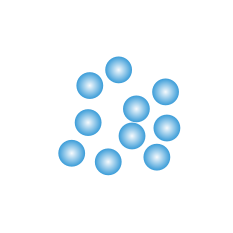
  • Volatilization

    The reaction products are converted into volatile compounds and enter the gas phase.
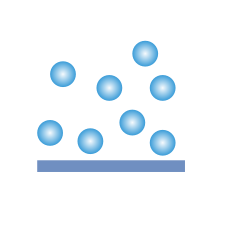
  • Removal from Surface

    Gaseous by-products desorb from the surface and are evacuated, leaving a clean, activated material surface.