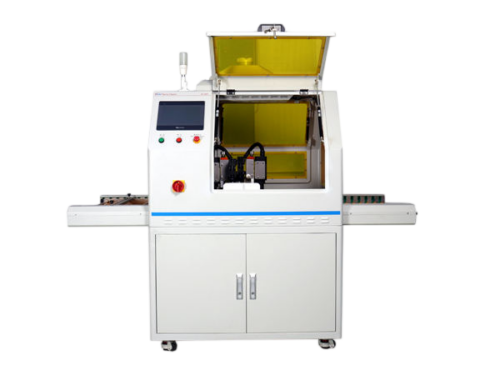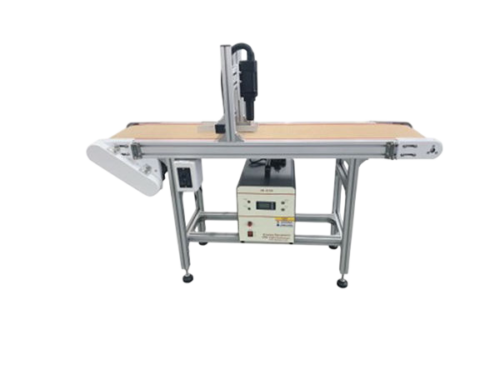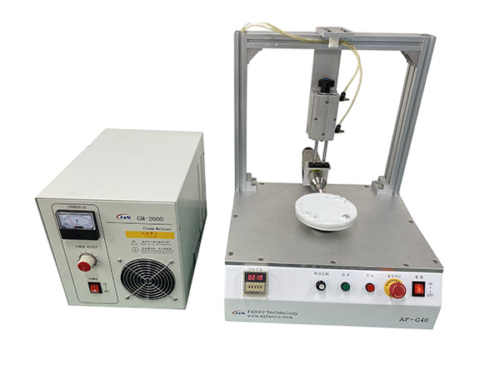
Equipment Matching Customization

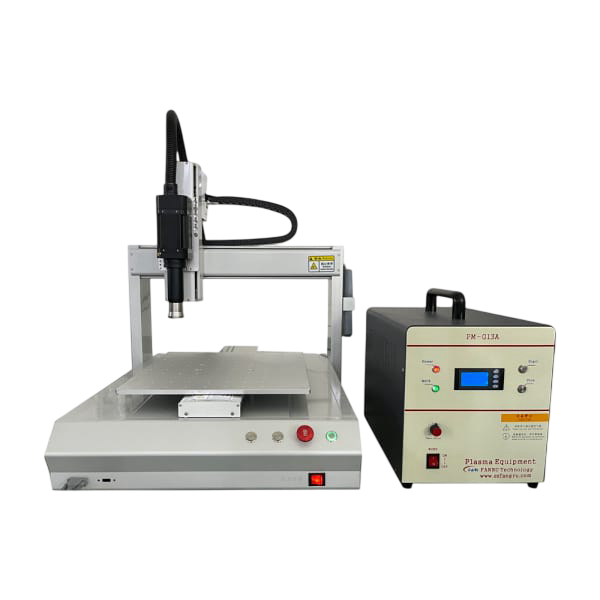
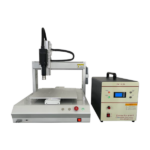
AR-G80 Plasma Treatment Machine & Three-axis platform

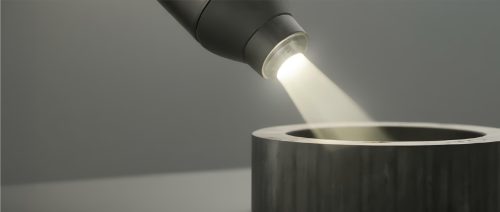
We have researched and developed the plasma surface treatment machine for 15 years. This machine is suitable for different job position.
  • Can draw a point, line, arc, circle, irregular curve and reliable interpolation procedures function.
  • Applicable to the XYZ area array, the rotation of translation, the materials plate.

Tech Specs

Input Voltage AC220 V
Plasma Power 1000 W
Frequency 50 kHz
Size(L*W*H) 600*550*670mm
Weight 63 kg
Transmission Speed 300 mm/s
Working Stroke X axis 400 mm*Y axis 400 mm* Z axis 100 mm
Transmission Mode Micro Stepping motor+ Lead Screw + Synchronous Belt
Maximum Load X/Y/Z 10 kg / 10 kg / 5 kg

Key Features

  • Three-Axis XYZ Motion Platform

    Integrated X, Y, and Z axis motion enables precise plasma positioning for complex-shaped parts and multi-surface treatment tasks.

  • Programmable Multi-Path Treatment

    Supports point, line, arc, and custom trajectory programming to ensure accurate plasma exposure on complex geometries.

  • High-Precision Drive System

    Uses stepper motors with screw and synchronous belt transmission to deliver stable movement and reliable positioning accuracy.

  • 1000 W Plasma Output Power

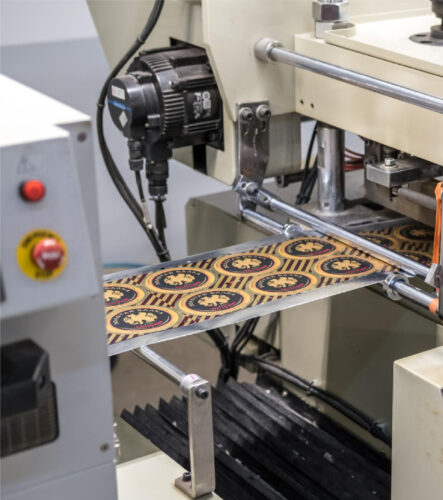
    Provides consistent plasma energy for effective surface activation on plastics, metals, glass, and electronic components.

  • Large Working Stroke Range

    Working travel of X 400 mm, Y 400 mm, and Z 100 mm accommodates a wide range of part sizes and application scenarios.

  • Versatile Industrial Applications

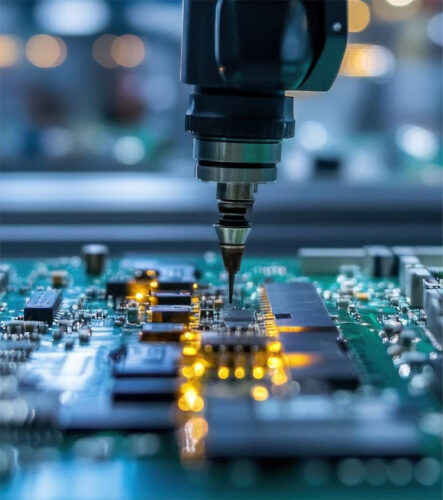
    Suitable for PCB, LCD glass, semiconductor packaging, hardware parts, and precision component surface treatment.

Plasma Cleaning Process

  • Plasma Generation

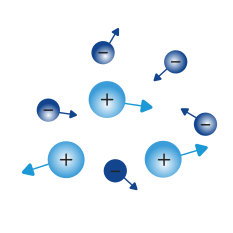
    Process gas is energized and converted into a reactive plasma containing ions, electrons, and radicals.
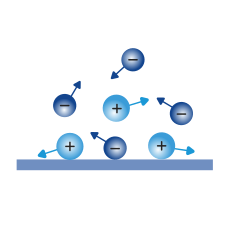
  • Plasma–Surface Interaction

    High-energy plasma species reach the material surface and interact with contaminants at the molecular level.
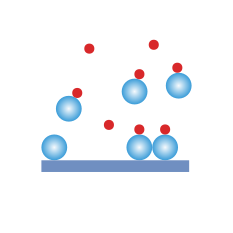
  • Chemical Reaction

    Reactive ions and radicals break down organic residues and surface contaminants through controlled chemical reactions.
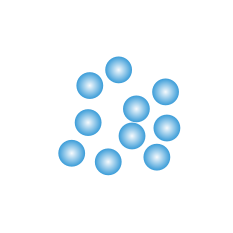
  • Volatilization

    The reaction products are converted into volatile compounds and enter the gas phase.
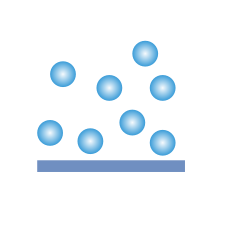
  • Removal from Surface

    Gaseous by-products desorb from the surface and are evacuated, leaving a clean, activated material surface.