
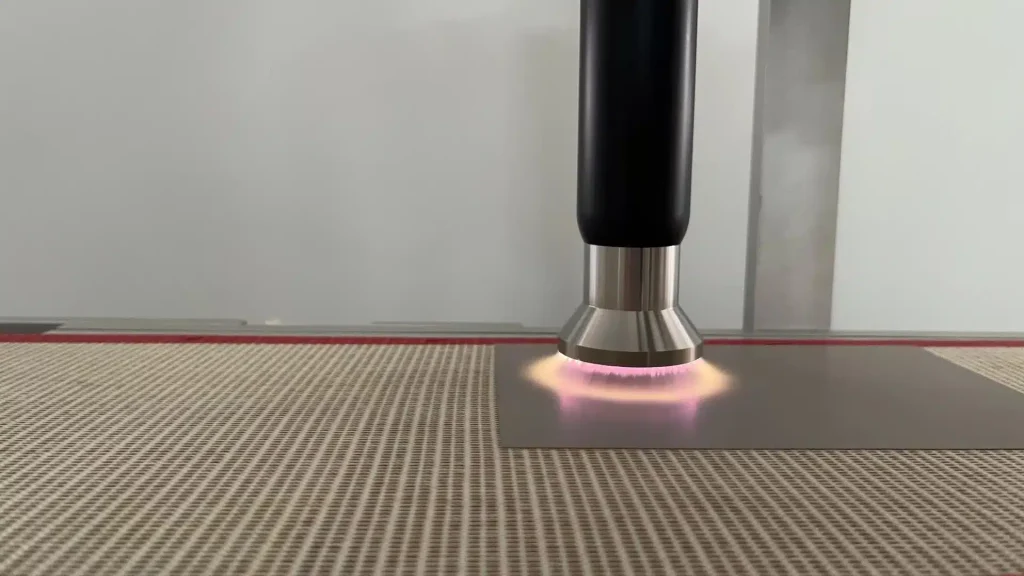
There are several methods to modify ceramic materials to improve performance and durability. Surface modification refers to the adjustment of a material to enhance its physical or chemical characteristics. To learn about what is best for ceramic materials, you can build your understanding from the information below.
Ceramics are inorganic and non-metallic mixtures that are heated and cooled to form a different structure/ mold. The end result can be hard crystalline or glassy. Ceramic materials can be split into two main types:
Key properties of ceramics are high hardness, thermal stability, and corrosion resistance:
There are some challenges associated with ceramics. These include issues with surface adhesion or bonding, processing complexity, and high costs to produce.
The existing surface of various ceramics can affect how they perform in different industries. The roughness or texture of a ceramic can determine how it reacts to external adhesives. It can also impact its reaction to water or thermal changes, as well as general durability and strength.
Poor surface adhesion can affect the interlocking of various coatings during construction/ building. This makes the stability of any structure shaky or faulty and can disrupt projects.
There are a few commonly known ways to modify the surface of ceramics- coating, etching, and chemical treatments:
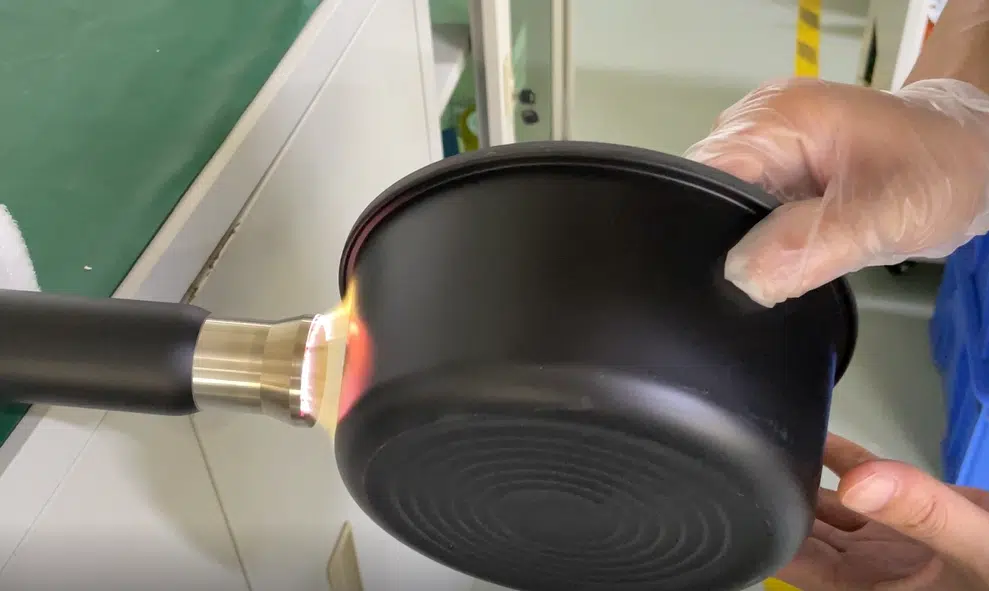
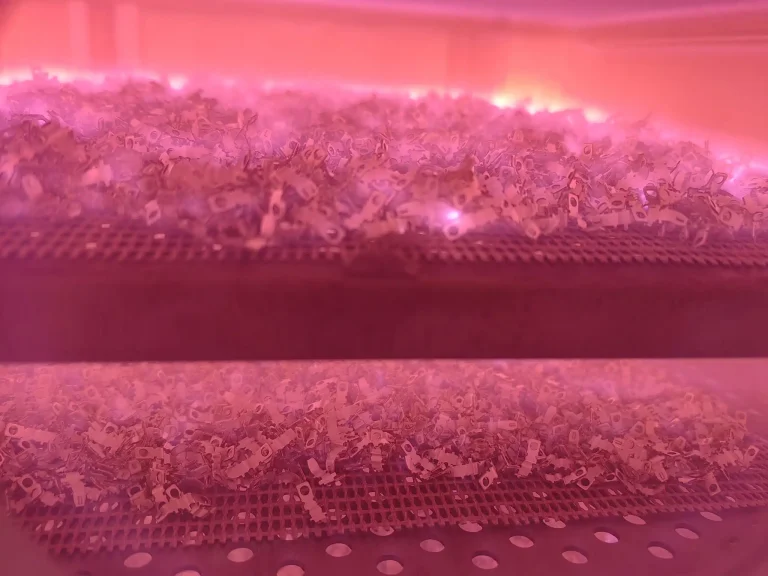
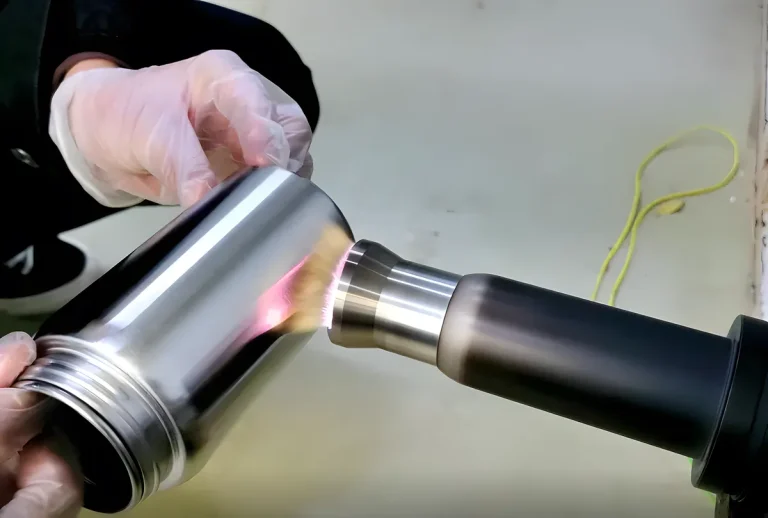
Oxygen plasma is a way to chemically modify ceramics. It uses hydroxyl or carbonyl reactants on the surface and improves the bonding possibilities to adhesives, coatings, and other materials.
It is able to increase the roughness by adding micro or nano-scale texture to the surface of ceramics. This makes it easier to interlock additional coatings which boosts adhesion strength and wettability.
It can remove several contaminants from the surface area of ceramics. They can remove dust, oils, and residues due to the textured and chemically enhanced treatment. This makes it harder for contamination to stick to the surface by acting as a repellant.
It can also improve wettability. Wettability refers to the ability of a liquid to easily spread across a surface. Ceramics need wettability to ensure coatings can be applied evenly across the area and improve adhesion.
It also provides extra durability as it provides fracture prevention and general wear and tear. This makes the longevity and strength in a demanding industry much more reliable.
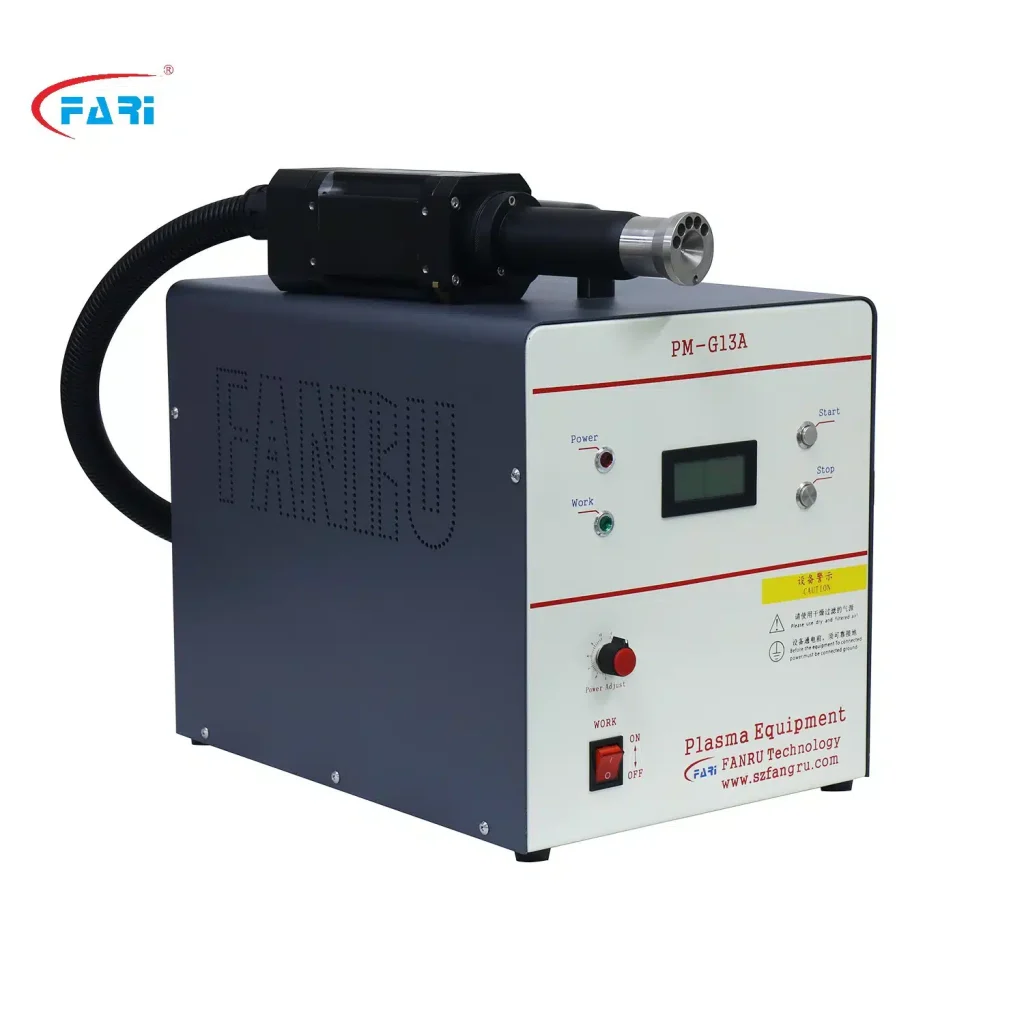
Oxygen plasma cleaning can be used to improve the adhesion of coatings for biomedical implants (commonly used in dentistry or orthopedics/ bone health). It can resolve adhesion issues between the ceramics implants and living tissue or in moist/ wetter environments.
It can also enhance adhesion in electronic items by bonding conductive coatings to different ceramic substrates/ materials.
Oxygen plasma is also used in aerospace components to help them withstand higher temperatures and improve bonds under pressure.
Oxygen plasma cleaning also improves automotive ceramics’ ability to resist heat and properly interlock with coatings and seals. The modification allows metal parts to be better bonded with ceramic matrix composites.
Preparation is the first step in the cleaning process as it removes existing contaminants from the ceramics before treatment.
It is essential to completely remove all foreign matter or residues, as they may prevent the treatment from applying properly and contaminate the chamber for all future treatments.
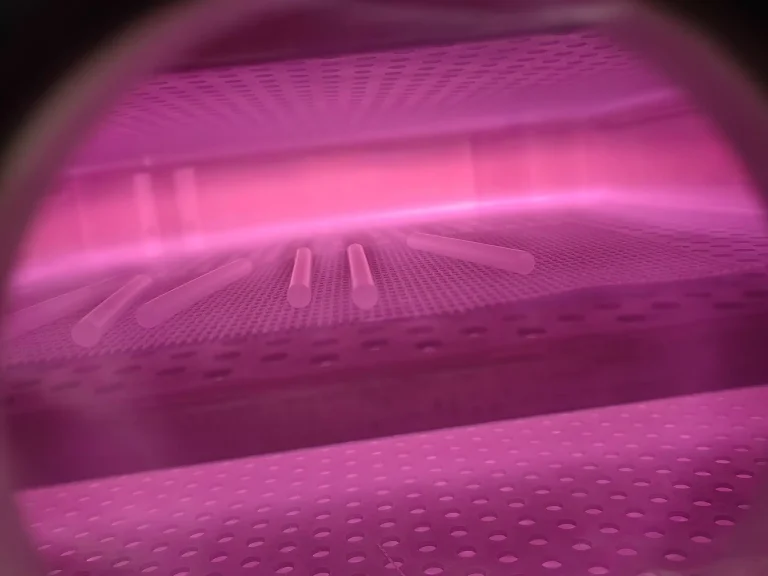
Loading involves securely placing the ceramic material into the vacuum chamber. They should be properly spaced with no contact with another piece.
This step allows you to regulate the vacuum pump to the desired level.
This step involves the controlled introduction of oxygen gas to the chamber.
This stage allows you to adjust the power as needed when starting the plasma generator.
This is the stage where timing and other parameters, such as pressure, are tracked. The treatment time will vary at this stage depending on the type of ceramic material.
This is the last step where pressure is allowed to return to normal and the items rest undisturbed until ready for inspection.
The recommended oxygen plasma treatment varies based on the type of ceramic:
When operating an oxygen plasma cleaner, you must always wear personal protective equipment (PPE) which can include gloves and face shields. You should also work in a well-ventilated area with good proximity to emergency supplies and personnel.
Regular inspections of the equipment should be done. Each component should be maintained, and teams should have refresher training to ensure that standards of procedures are followed.
It is fairly easy to evaluate the effectiveness of oxygen plasma cleaning on an object. You can review the performance of the surface to adhesives and other coating.
There are two main ways to measure changes in surface property- contact angle measurement and surface energy.. While the most commonly used adhesion strength tests are pull-off and lap shear tests.
This is a quantifiable way to test whether liquid can be easily spread across the area. It can prove wettability is at its highest stage.
This is a calculative test to review how well several liquids react when applied to the surface of ceramics. In this case, better surface energy indicates better adhesion.
This test applies pressure to surfaces in an attempt to detach them. The higher the force needed to detach the fixture from the surface, the better the adhesion strength.
This test evaluates the adhesion between two ceramics or the same type of ceramic and another material. It can evaluate how well certain materials bond and stick together under force.
Overall, these four tests are all helpful in testing whether oxygen plasma-treated ceramics perform better than untreated ceramics. It helps you efficiently test the reactions between materials and evaluate whether the benefits gained from treatment make a difference.
One challenge you might face is the over-treatment of materials which could cause excessive etching or chemical degradation of the ceramic, making it weaker, which is the opposite result.
It may also lead to changes in the material properties causing additional defects or performance issues.
Oxygen plasma equipment can be expensive along with ongoing maintenance to keep it up to regulatory standards. You may have budget constraints or feasibility concerns if the decision is right for you.
The parameters to successfully treat ceramic materials need to be running optimally at all times. Any variation could lead to inconsistent and quality issues for the surface modification.
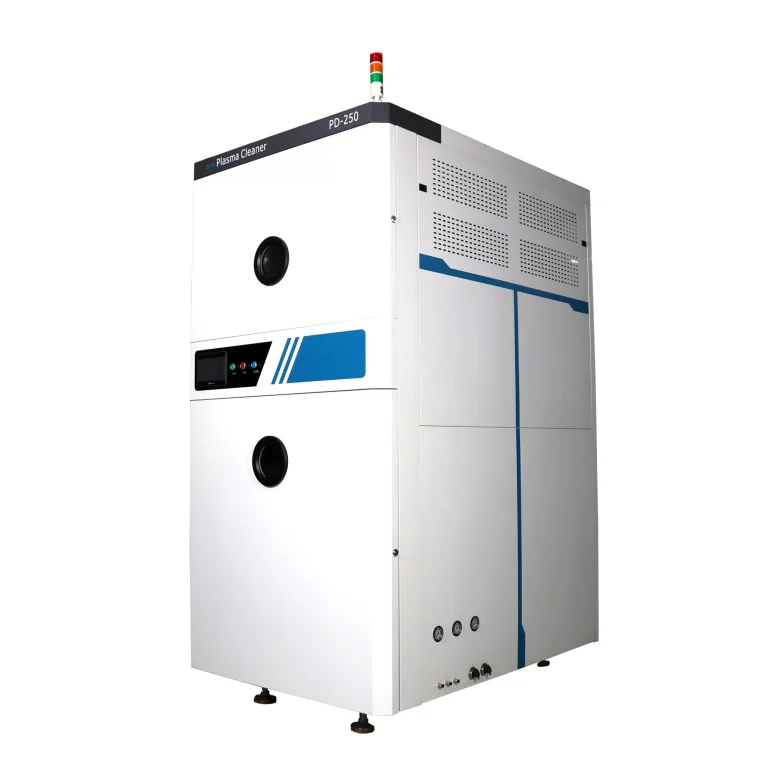
Oxygen plasma cleaning is a great way to enhance wettability, adhesion strength, and overall performance. It requires precision and targeted steps. It involves securing a dedicated plasma cleaner or generator attached to a regulated gas supply and control system. Thus allowing you to safely remove contaminants. It can help make ceramic materials more suitable for demanding applications. If you are still curious about the costs and benefits of oxygen plasma cleaning, contact us for more guidance.
Several types of ceramics can benefit from oxygen plasma cleaning such as stoneware or other traditional ceramics, and alumina and other advanced ceramics.
Oxygen plasma cleaning changes the texture of the surface by physically altering the outer layer and chemically introducing reactants to improve durability and adhesion.
Generally, traditional ceramics (such as porcelain, clay, or stoneware) should be processed on pressure of 100-300 mTorr and power of 50-150 for 5-15 minutes; advanced ceramics (such as alumina, and zirconia) can be processed at pressure 50-200 mTorr – and power of 100-300 W for 10-30 minutes. However, you can treat them for longer periods to increase strength and durability.
No, it is an additional component to building improved ceramics. Sometimes coatings are still needed.
Proper personal protective equipment, access to ventilation, and strict regulations/ standards of procedure.
The longevity is based on the harshness of the environment in which the ceramics are used. For example, marine or aerospace environments require materials that can withstand high pressure, humidity, and corrosive substances.
Angle measurement and adhesion strength tests can be done to evaluate the effectiveness of surface modification.
A challenge often faced is the overtreatment of the ceramic material, which leads to faults in the structure; also, high operational costs may be a downside to oxygen plasma cleaning for ceramics.
By conducting a cost-benefit analysis, you can review whether the improvements in performance and strength can save you costs in the long run.
There are specialized manufacturers and industry professionals who produce and source the equipment and personnel needed. There are many vendors on Alibaba or Amazon that offer plasma cleaning equipment. You can contact us at Fariplasma to check out our prices.


English

Japanese

Korean
Rogatus ad ultimum admissusque in consistorium ambage nulla praegressa inconsiderate