
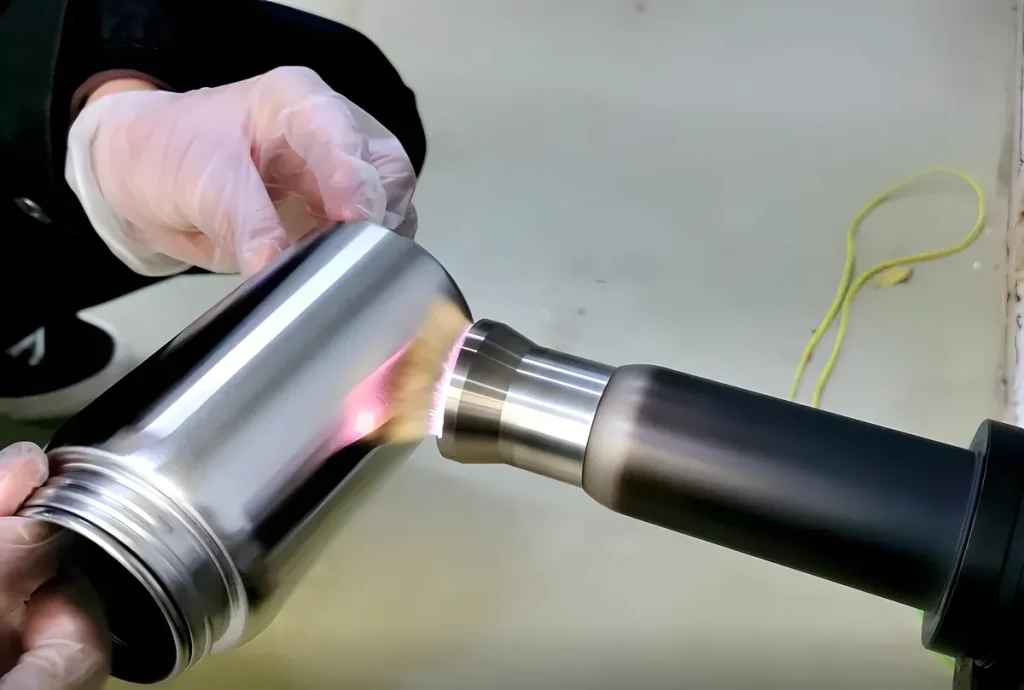
Every day, items such as a thermos flask are used to maintain the temperature of the liquids for long periods. The functionality of these depends hugely on the structural integrity of components and the technology used during their manufacturing.
A method that became revolutionary for uplifting the performance and durability of thermos flasks is plasma treatment, a surface modification technique.
This article aims to examine the main parts of thermos flasks, their bonding issues, and how plasma treatment resolves these challenges, which in turn helps sustainably produce better thermos flask products.
There are multiple components used in thermo flask as mentioned below:
Thermos flasks consist of several integral components:
Outer Shell: The first support provided to the main structure, derives from the outer shell, which is made from stainless steel or highly durable plastic. Resistance corrosion of stainless steel along with the use of plastics add to lightweight designs.
These materials guarantee the long life of a server liner. The principal heat retention or insulation barrier is usually stainless steel or glass. All liners are stainless steel, which is highly durable and resistant to breakage; glass liners provide excellent thermal retention and create a reactive surface.
Caps and Seals: Generally, caps are durable plastic, whereas seals are mostly silicon or rub-enhancer. They maintain the liquid’s temperature stable.
Insulating Layers: Vacuum insulation or foam-based layers often block heat transfer from the inner to outer walls. These layers ensure that your liquid stays at the right temperature for hours.
The choice of materials in thermos flask manufacturing is diverse to meet specific performance needs.
Stainless Steel: Stainless steel is known for its high robustness and temperature resistance and is widely used as an outer shell or within the lining. It is corrosion-resistant and very durable so that it can withstand prolonged use.
Polypropylene (PP): Polypropylene is lightweight, cost-effective, and impact-resilient. It is commonly used for caps and outer shells. In addition, its thermoplastic properties permit complex designs.
Silicone and Rubber: Inflexible and tight seals and gaskets are necessary for creating these materials. They are tough, resilient and fit for not leaking.
Bonding plays a pivotal role in the functionality of thermos flasks:
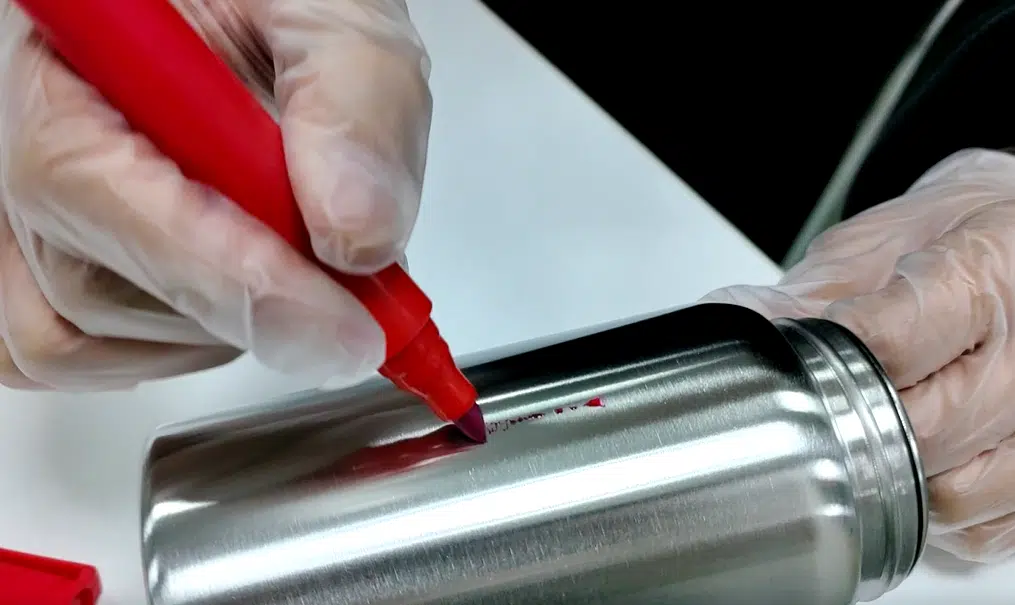
Hydrophobic plastics such as polypropylene and silicone are inherently repellent to adhesives and coatings. A critical characteristic of this property is low surface energy, which is a significant obstacle to bonding these materials via conventional methods.
These surfaces often cannot sufficiently adhere, leading to the adhesives’ failure to form a strong bond. Products made with these materials can delaminate and have seal failure with little intervention.
With time, bonded layers delaminate, resulting in the loss of integrity of the thermos flask. Also, the inability to bond effectively limits design possibilities since manufacturers will avoid certain plastics or silicone because of these issues. However, plasma treatment solves this challenge by modifying the surface properties to allow adhesives and coatings to form more substantial and reliable bonds.
Surfaces often have residues (such as oils, dust, and mold release agents) from manufacturing processes. These contaminants also act as barriers to adhesives, preventing the bond to the base materials in most cases.
Microscopic amounts of pollutants can dramatically reduce adhesion, causing premature product failures. For example, if a thermos flask’s seal isn’t correctly formed, it won’t create a leak proof barrier, or if its coatings lose their shine.
Traditional cleaning methods are necessary, but they may not sufficiently clean all contaminants. The solution to this situation comes in the form of a process called plasma treatment that cleans the surface at such a molecular level that all residues are removed, and the material is thus prepared for bonding.
It leaves a clean, reactive surface far more substantial and durable than the best adhesive bond.
The thermos flasks are meant to keep the contents of these flasks hot or cold. Extreme temperature fluctuations cause thermal stress because, if the expanding or contracting materials do so at different rates, they stress the bonds between components.
Furthermore, thermos flasks have been constantly exposed to mechanical stress caused by drops, accelerations, or the repetitive opening and closing of the caps. These conditions are more prone to weak bonds to fail, and the problems include leaks, decreased thermal insulation, or total product failure.
The durability of these bonds, in which the functionality of the flask is maintained despite repeated thermal and mechanical trauma, is enhanced by plasma treatment. This treatment prolongs the product’s life, functionality and reliability.
A multiple range of issues called adhesion failures arises from inadequate bonding. One of the most common problems is delamination where the layers separate over time.
Both the structural and the thermal performance of the flask are affected. Another critical failure is leaks that invalidate the item in retaining the liquid and temperature. In addition to being functional problems, adhesion failures are aesthetic considerations because peeling coatings or visible gaps are quite unattractive.
Failure is common in such cases with customer dissatisfaction, increased returns, and damaging the manufacturer’s reputation. By addressing these challenges using plasma treatment, manufacturers can bond at a far more robust level than cap seals, which can minimize adhesion failures and ensure a better user experience.
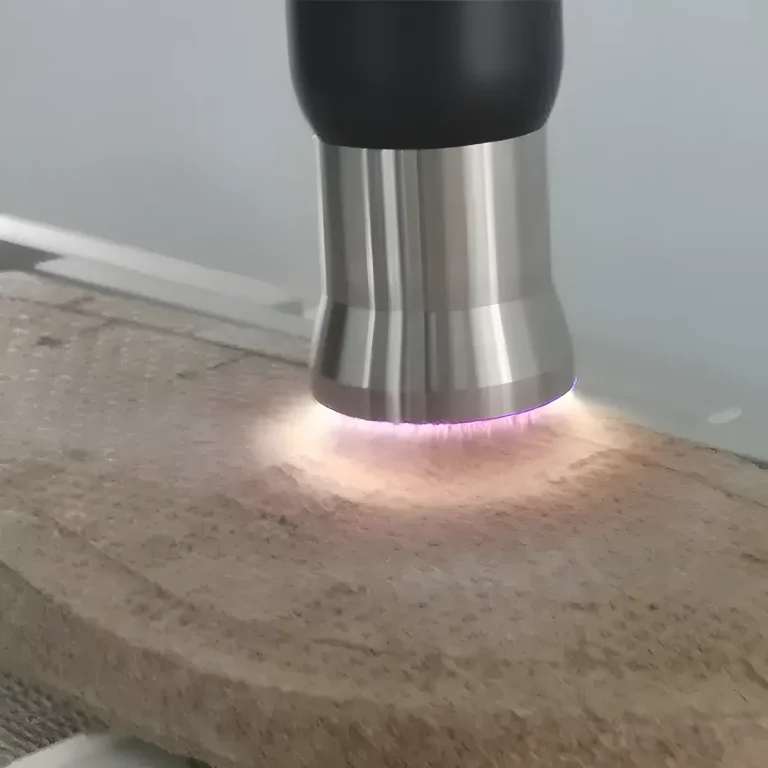
Plasma treatment can improve the surface energy of plastics and silicone. Plasma treatment brings polar functional groups to the surface, enabling effective adhesive and coating bonding. Consequently, adhesion is robust and wear-resistant.
Components treated using plasma exhibit more physical and environmental stress resistance. For example, seals and linings maintain integrity at repeated thermal cycling and with cleaning a flask’s visual appeal life.
Smooth, clean surfaces produced by plasma treatment allow for precise assembly and frustration-free placement for flawless bonding. In addition to giving the flask a more stylish look, this guarantees its reliability in functionality, such as being leakproof or providing consistent thermal insulation.
Many typical bonding methods require wasteful chemical primers or adhesives. Plasma treatment eliminates these materials, resulting in a cleaner, more sustainable manufacturing process that meets environmental standards.
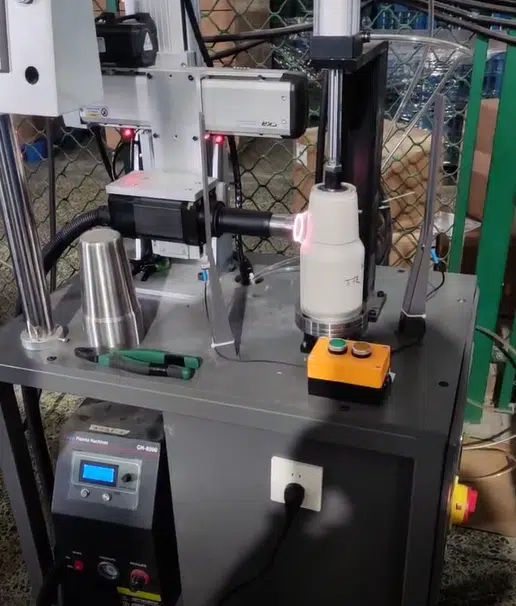
Thanks to plasma surface treatment, other components are strongly adhered to the outer shell. Plasma cleaning of stainless steel shells removes oxidation layers, giving better bonding. Surface activation improves the compatibility of adhesives in plastic shells.
Plasma-treated silicone and other rubber seals make a tighter bond to other components. It improves leak-tight performance both with and without pressure and thermal stress and results in high reliability.
Plasma surface treatment improves caps and handles so they stick to the flask securely. That prevents detachment and prolongs usability even with handling.
Plasma-treated surfaces facilitate surface decoration or the development of protective coatings. This ensures that the coatings are durable and aesthetic.
We can tailor the power, pressure, and exposure time used to work with a particular material to get the best result. For example, stainless steel might need a slightly higher intensity to remove oxidation, while plastics do well with a more moderate power level to avoid damage.
Integration of plasma surface treatment systems in existing production lines is straightforward. Automation also guarantees that the product is produced the same way every time. It is vital when you’re in high-volume manufacturing, where it’s easy to make errors and be inefficient.
Activation in plasma can temporarily increase surface energy, but it degrades over time. Immediately following the treatment, applying adhesives or coatings will maximize the bonding potential.
Flasks with better durability resulted from manufacturers who had applied plasma surface treatment. These flasks leaked and ruptured less, both after extensive use and in extreme conditions, causing fewer customer complaints.
Plasma treatment increased bond strength and helped lower manufacturing costs by reducing failures. Plasma systems reduced product defects and rework, improving overall profitability and justifying the upfront cost of the systems.
Premium brands relied on plasma surface treatment to secure flawless finishes and seamless designs. This improved the visual appearance of their products and distinguished them from competitors in the market.
The different thermos flask designs used other materials, each demanding specific plasma surface treatment parameters. Testing and custom adjustments are required to guarantee a match between the concrete and chemical and that they will bond optimally.
The initial investment for a plasma surface treatment system is significant. Although the costs are high, the long-term benefits, like reduced defects and better product quality, frequently outweigh the costs, especially when manufacturers develop products on a large scale.
For food-grade products, the components must meet very stringent safety and durability standards, as the plasma surface treatment itself. For the consumer to maintain trust in an item or manufacturer and to prevent the company from incurring legal difficulties, the manufacturers must conform their processes to such laws and regulations.
Increasingly, thermos flask design is carried out using emerging materials such as hybrid composites and biodegradable plastics. Plasma surface treatment enables their integration to improve bond strength and compatibility.
Innovative coatings with further functionalities, e.g., antimicrobial or self-cleaning, can be applied on plasma-treated surfaces. These features add product value to health-conscious consumers.
Automation and AI-driven systems are the future of plasma surface treatment. These technologies assure precise and efficient treatment with efficient scalability, allowing manufacturers to scale their production and retain good quality.
Thermos flask manufacturing is revolutionized by plasma surface treatment through solving bonding problems and improving product quality.
This plasma surface treatment technology provided by Fari Plasma features a wide range of benefits, including stronger adhesion, improved durability, eco-friendly processes, and new applications.
As manufacturers refine plasma treatment, the future of thermos flask design and production becomes increasingly promising, opening possibilities for enhanced sustainability, performance, and consumer satisfaction.



English

Japanese

Korean
Rogatus ad ultimum admissusque in consistorium ambage nulla praegressa inconsiderate