Technology

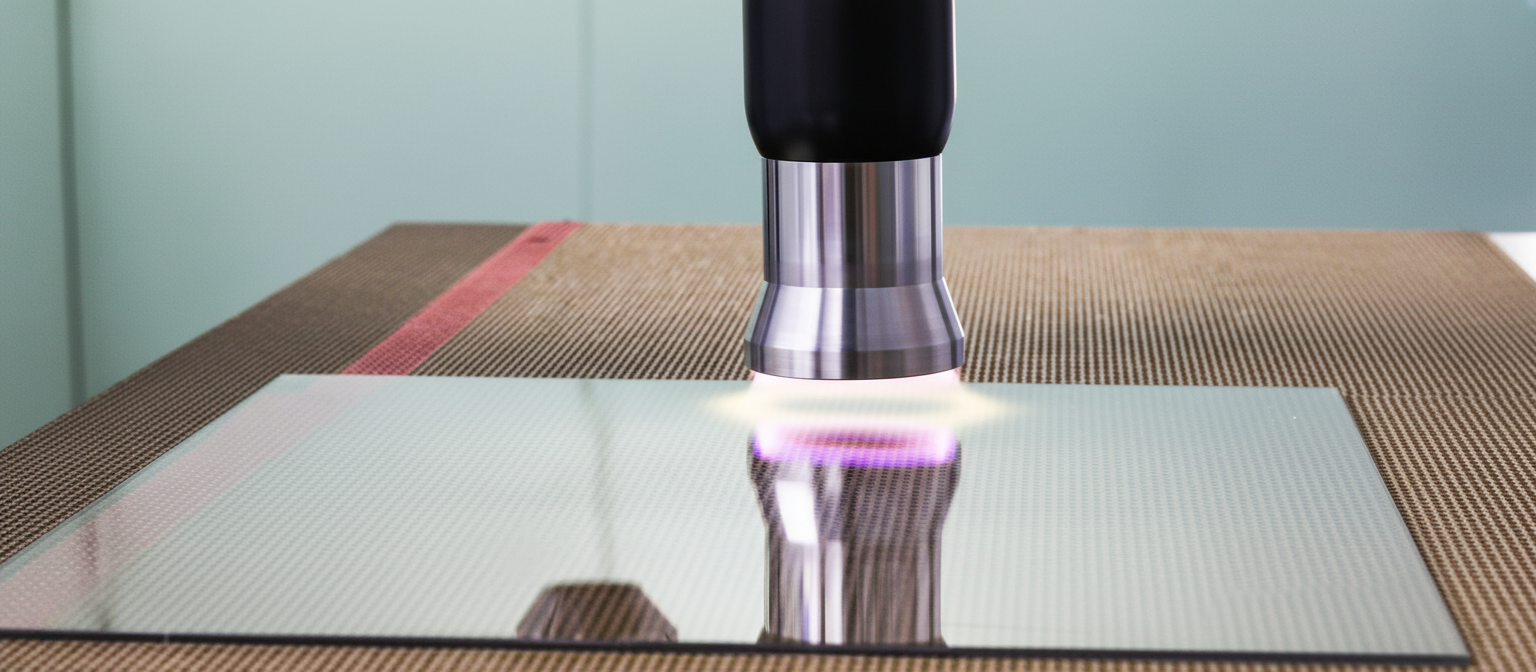
Plasma Cleaning Technology & Process

Understand how plasma treatment changes surface behavior—so you can choose the right process for adhesion, cleaning, and reliable downstream results.
FAQS

FAQs

What is plasma cleaning used for?
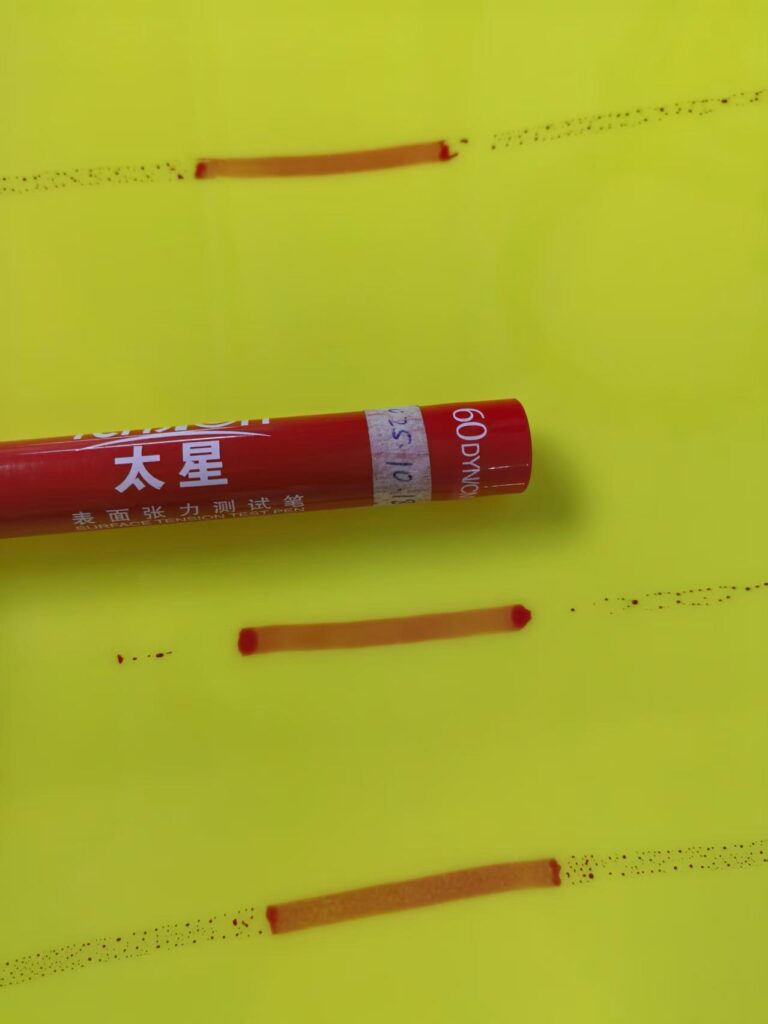
Plasma cleaning is used to reduce light organic contamination and improve surface wettability before bonding, printing, coating, or sealing.
What factors affect cleaning performance?
Material type, contamination type, treatment gap, power level, gas selection, and exposure time all influence results.
Which materials respond well to plasma treatment?
Many plastics, rubbers, metals, glass, ceramics, and electronic assemblies can be treated—testing is recommended for sensitive parts.
Plasma cleaning vs plasma activation—what’s the difference?
Cleaning focuses on removing residues; activation focuses on increasing surface energy. In many applications, both happen together.
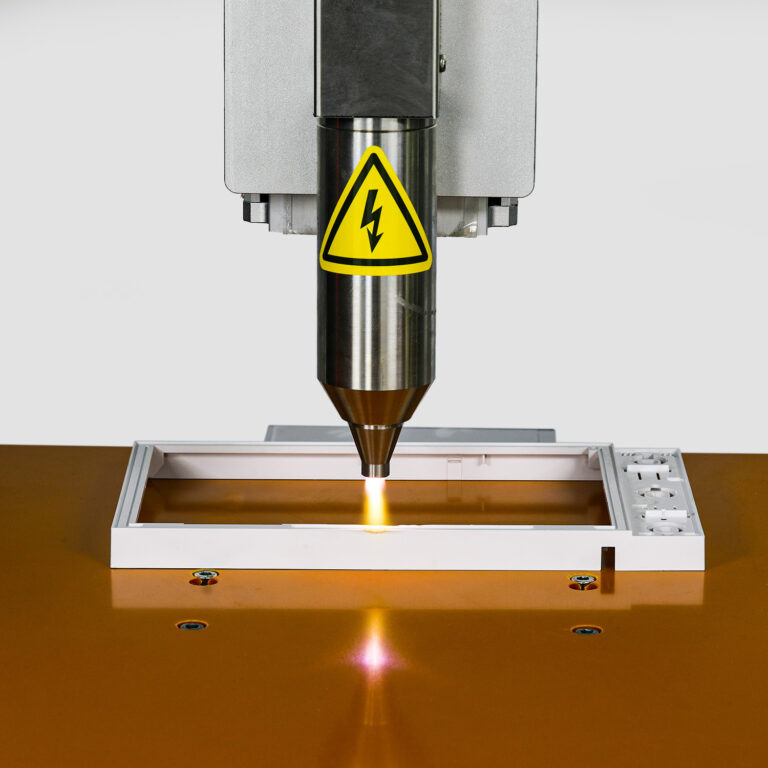
What is atmospheric plasma treatment?
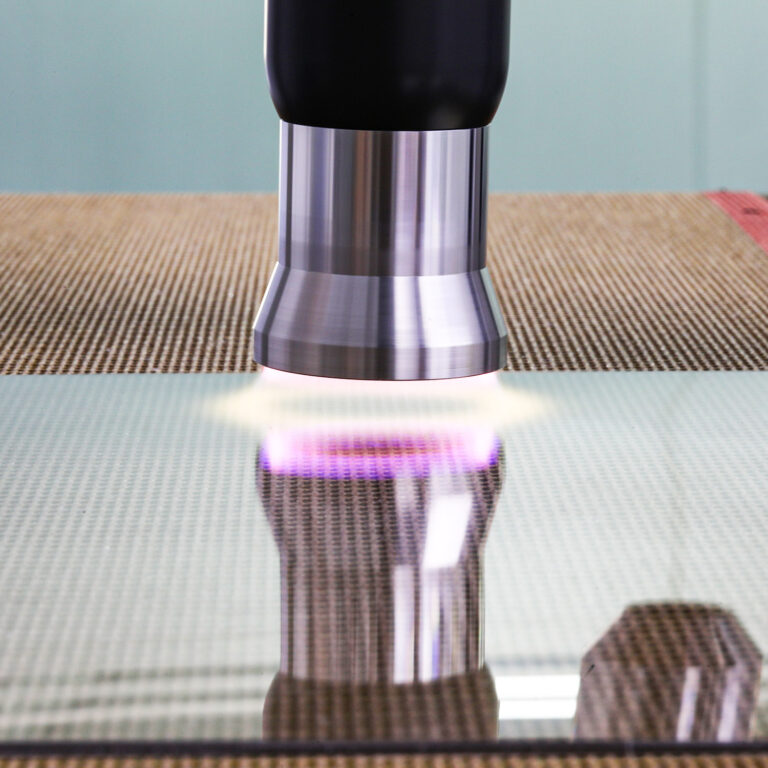
It's plasma processing performed at ambient pressure, suitable for inline production without vacuum chambers.
When should vacuum plasma be considered?
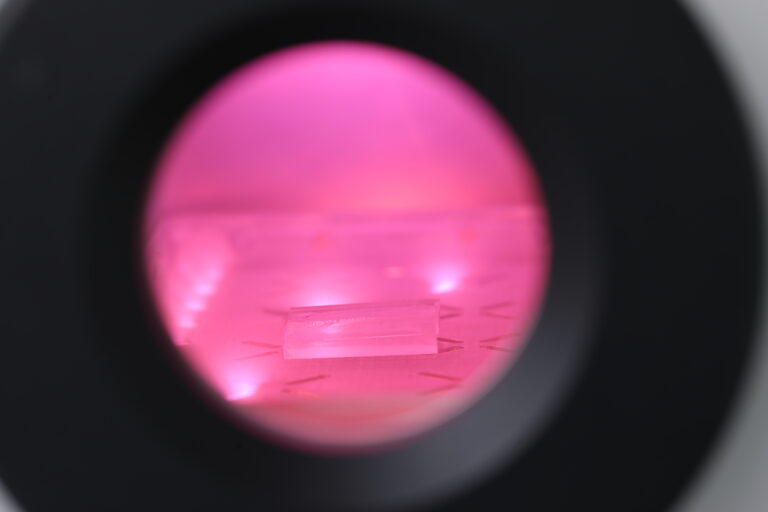
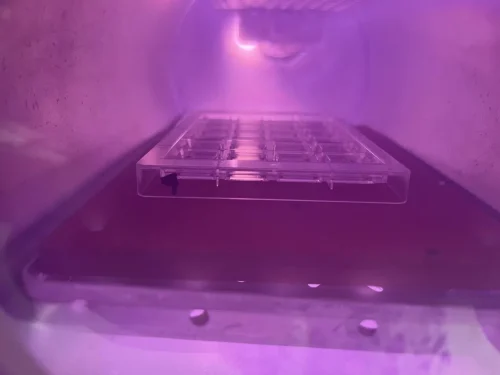
When you need highly uniform treatment in enclosed spaces, stronger process control, or vacuum-compatible cleaning requirements.