Plasma surface treatment can deliver a substantially lower total cost of ownership than chemical primers in suitable production environments. Although the upfront equipment investment may be higher, savings in consumables, labor, waste disposal, regulatory compliance, rework, and floor space can accumulate quickly once production is running. This guide breaks down the main cost categories so buyers can compare the two processes using realistic operating assumptions rather than purchase price alone.
The single biggest mistake buyers make is comparing the purchase price of a plasma system with a few cans of primer and a spray gun. That comparison is like judging a car only by its sticker price while ignoring fuel, maintenance, insurance, and operating costs over its service life.
A chemical primer setup might cost $2,000–$10,000 to get started, including a spray booth, basic ventilation, PPE, and initial primer inventory. A compact atmospheric plasma treatment system may start at around $10,000–$20,000, while customized or automated configurations cost more depending on the treatment width, power, integration requirements, and production speed.
The initial price difference may therefore be much smaller than many buyers expect. More importantly, the purchase price alone does not reflect the recurring expenses that affect production margins every day.
Total cost of ownership (TCO) includes consumables, labor, waste handling, compliance, downtime, rework, maintenance, and floor-space requirements. This is the comparison that matters—and it is often where plasma treatment provides a stronger long-term economic advantage.
Here is a side-by-side comparison across the criteria that actually drive cost in a manufacturing environment:
| Criteria | Plasma Treatment | Chemical Primers |
|---|---|---|
| Upfront Equipment Cost | $10K–$30K+ for compact atmospheric systems; customized automation and low-pressure chambers may cost more | $2K–$10K |
| Per-Part Processing Cost | $0.02–$0.15 | $0.10–$0.80 |
| Consumables & Waste | Minimal, mainly electricity and process gas | Solvents, primers, PPE, and waste disposal |
| Regulatory & Compliance Cost | Generally low because no primer-related VOCs are produced | Higher where VOC permits, monitoring, and hazardous-waste controls apply |
| Cycle Time per Part | Typically 1–10 seconds | Minutes to hours, including drying |
| Floor Space Required | Compact inline or standalone unit | Spray booth, drying area, and chemical storage |
| Labor Intensity | Can be automated with limited operator input | Manual application, inspection, and possible rework |
| 5-Year TCO (100K Parts/Year) | Approximately $55K–$120K+, depending on equipment and integration | Approximately $200K–$500K+, depending on primer use and operating requirements |
The per-part cost gap is the engine of the TCO difference. At 100,000 parts per year, even a $0.20 per-part saving adds up to $20,000 annually — and the real gap is often larger once you factor in rework and scrap reductions.
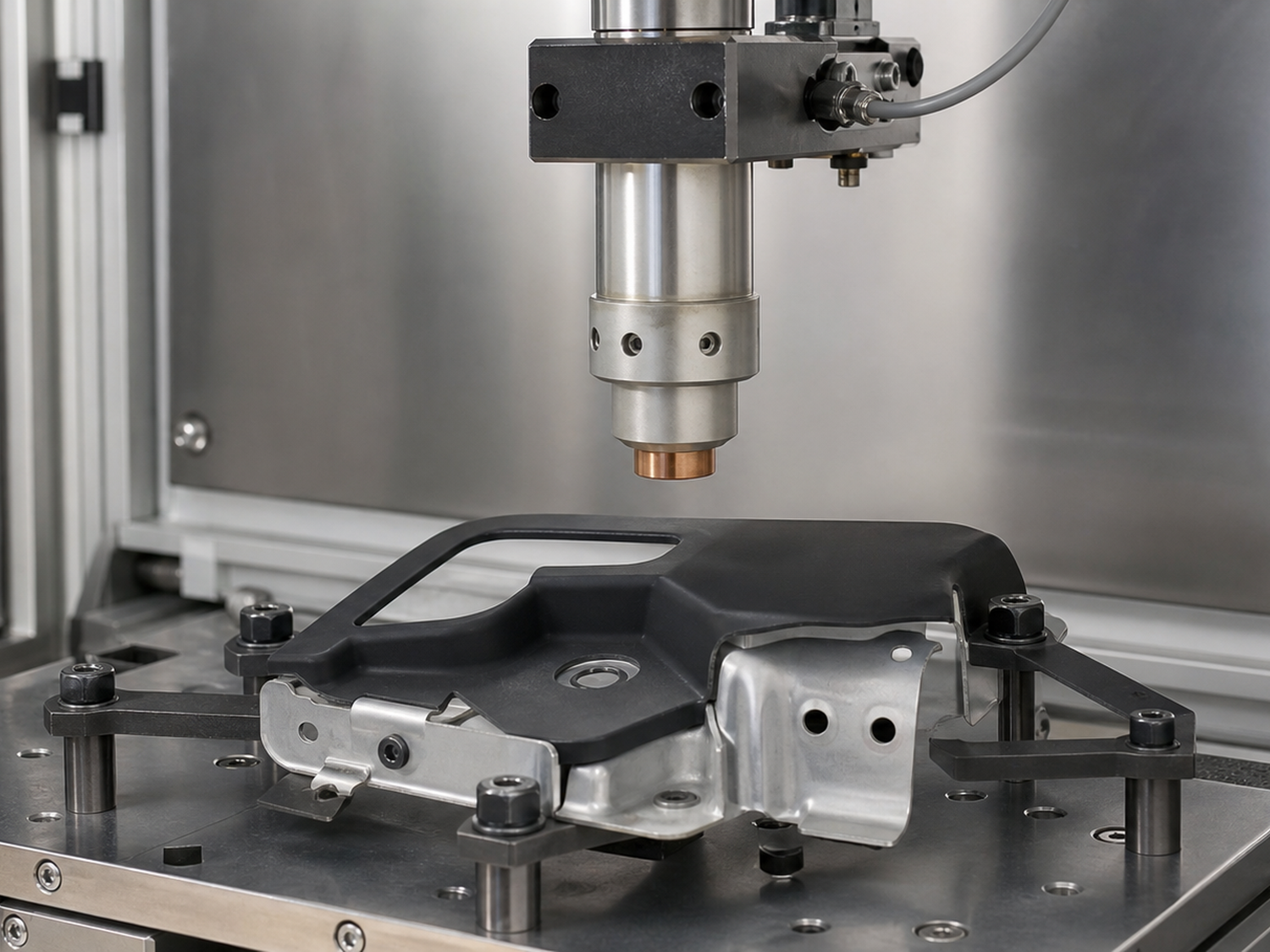
Chemical primers carry a deceptive cost structure. The primer itself might be $30–$80 per liter, but you also burn through solvents for thinning and cleanup, applicator tips, mixing cups, and masking materials. Add the labor time — a trained operator spending 30–90 seconds per part for application plus inspection — and the per-part cost lands between $0.10 and $0.80 depending on part complexity and primer type.
A plasma system’s per-part cost is dominated by electricity and process gas (typically compressed air, nitrogen, or argon). For an atmospheric plasma jet treating a 10 cm × 10 cm bonding zone, you are looking at roughly $0.02–$0.05 per part. Low-pressure batch systems treating dozens of parts per cycle can push that figure even lower per unit. There are no mixing ratios to get wrong, no shelf-life expirations, and no leftover primer to dispose of.
An automotive Tier-1 supplier producing 250,000 plastic interior trim pieces per year switched from a solvent-based primer to an inline atmospheric plasma system. Their per-part surface preparation cost dropped from $0.35 to $0.04. That single change saved over $77,000 annually in direct material and labor costs — and the plasma system paid for itself in under 14 months.
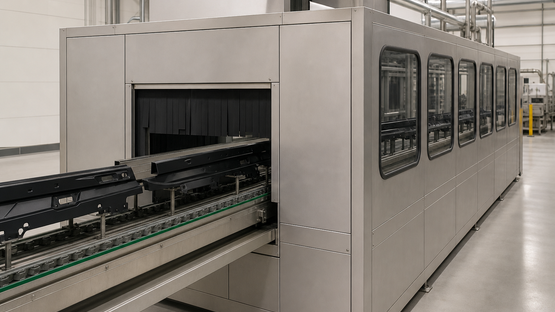
The line items that never appear on a primer purchase order are the ones that hurt the most.
Chemical primers — especially solvent-based formulations — release volatile organic compounds (VOCs). In 2026, VOC regulations in the EU, North America, and parts of Asia are tighter than ever. Compliance means air-quality permits, periodic monitoring, employee health surveillance, and hazardous waste manifests. Small manufacturers report spending $5,000–$15,000 per year on compliance-related activities alone. Plasma treatment produces zero VOCs and zero hazardous waste, effectively eliminating this cost category.
Expired primers, contaminated solvents, used PPE, and cleaning rags all qualify as regulated waste. Disposal costs vary by region, but $2,000–$8,000 per year is common for a mid-volume operation. Plasma generates no chemical waste stream whatsoever.
Primer application is operator-dependent. Inconsistent film thickness, missed spots, or contamination between application and bonding cause adhesion failures downstream. Industry data suggests rework rates of 2–5% are typical with manual primer processes. Plasma treatment is highly repeatable — the same energy density hits every part, every cycle — and rework rates below 0.5% are standard. For a manufacturer running 100,000 parts per year at a rework cost of $3 per part, cutting rework from 3% to 0.3% saves $8,100 annually.
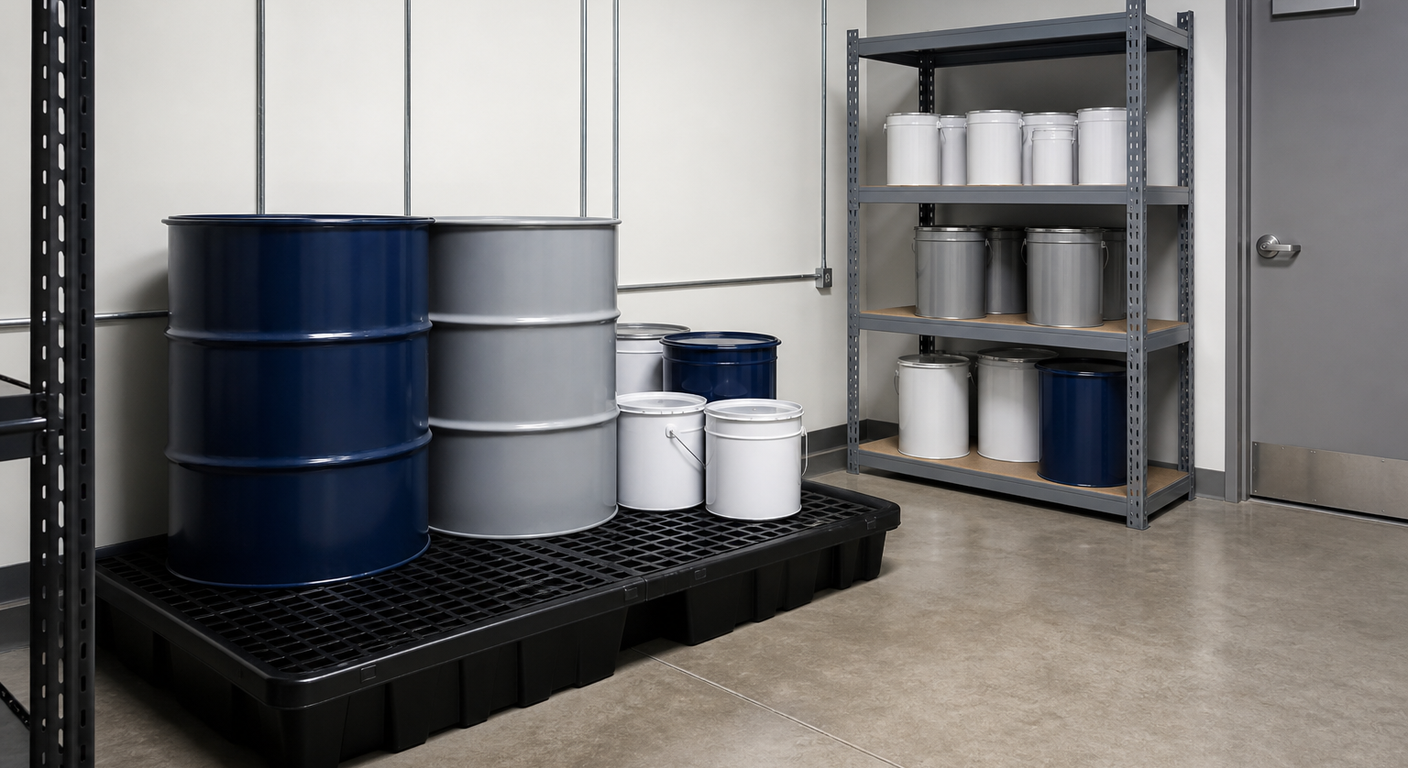
Speed is money, and this is where plasma treatment creates value that rarely shows up in a spreadsheet until someone actually models it.
A chemical primer workflow looks like this: clean the surface → apply primer → wait for flash-off or drying (often 10–60 minutes) → proceed to bonding or coating. That drying step is dead time. It requires floor space for drying racks or ovens, and it creates work-in-progress inventory that ties up capital.
Plasma treatment takes 1–10 seconds per part and requires zero drying time. The surface is ready for bonding immediately. For high-volume lines, this difference can mean the difference between one shift and two shifts — or between needing a new production line and not.
A spray booth, ventilation ducting, drying area, and primer storage room can easily consume 30–50 square meters of factory floor. An inline atmospheric plasma unit occupies less than one square meter. In facilities where floor space costs $150–$300 per square meter per year, reclaiming 40 square meters is worth $6,000–$12,000 annually — before you even count the production flexibility gained.
Honesty matters more than a sales pitch. There are scenarios where chemical primers remain the practical choice — at least for now.
If you process fewer than 5,000 parts per year across dozens of different substrates and geometries, the capital investment in plasma equipment may not pay back within a reasonable timeframe. A $50 can of primer and a brush might genuinely be the smarter move for a prototype shop or R&D lab doing one-off adhesion tests.
Some bonding applications — particularly certain metal-to-composite joints in aerospace — require specific silane or organosilane coupling agents that create chemical bridges plasma alone cannot replicate. In these cases, plasma is often used before the primer to improve primer adhesion, but it does not replace the primer entirely.
In regulated industries like medical devices or aerospace, changing a validated surface preparation method requires requalification. If your current primer process is deeply embedded in a validated workflow and the product lifecycle is short, the cost of revalidation may exceed the savings from switching. That said, new product introductions are the perfect time to specify plasma from the start and avoid locking in chemical primer dependencies.
Let’s build a concrete scenario. Assume a manufacturer processing 100,000 molded polypropylene parts per year, bonding them with a structural adhesive.
Five-year total: ~$338,000
Five-year total: approximately $68,000
In this illustrative model, the plasma treatment path costs approximately $270,000 less over five years, representing an estimated 80% reduction in total surface preparation costs. Based on the operating assumptions above, the additional equipment investment could be recovered in approximately three to five months.
Actual savings and payback periods will depend on the equipment configuration, production volume, treatment area, primer consumption, labor rates, rework levels, and local compliance requirements. Our team can build a more accurate cost model using your actual substrates, production volumes, and process conditions.
Cost is not the only pressure driving the shift. Sustainability reporting requirements — including the EU’s Corporate Sustainability Reporting Directive (CSRD) and tightening EPA regulations in the United States — are making chemical-intensive processes a liability on the balance sheet and in the boardroom.
Plasma treatment eliminates VOC emissions, removes hazardous waste streams, and dramatically reduces energy consumption compared to thermal drying of primers. For manufacturers pursuing ISO 14001 certification or responding to customer sustainability scorecards, switching from chemical primers to plasma is one of the most straightforward wins available. It is a genuine process improvement, not greenwashing.
For instance, a European electronics contract manufacturer recently reported that replacing isopropanol-based cleaning and primer steps with plasma treatment across three production lines reduced their Scope 1 and 2 emissions by 12% — a figure that went directly into their ESG report and helped them win a major OEM contract that required documented environmental targets.
Not every application is identical, and a responsible comparison requires testing with your actual substrates and adhesives. Here is a practical evaluation framework:
Document your current per-part primer cost, rework rate, cycle time, and compliance spend. Most manufacturers underestimate these by 30–50% because costs are spread across multiple budget lines.
Send sample parts for treatment and adhesion testing. Contact energy, peel strength, and shear strength data will tell you whether plasma achieves the bond performance your application demands. Our plasma treatment services team can run these tests and provide detailed reports.
Use the cost categories from this article to build a five-year model with your real numbers. Include a sensitivity analysis — what happens if your volume doubles, or if primer prices increase 10% (they have risen roughly 8% per year since 2023)?
Atmospheric plasma units integrate inline with robotic arms, conveyors, or manual stations. Low-pressure systems work as batch processes. Understanding where the plasma step fits in your workflow determines which system architecture is optimal. Our capabilities page outlines the range of integration options available.
For many medium- and high-volume production environments, the total cost of ownership can favor plasma treatment within the first year of operation. The process can reduce consumable use, shorten treatment time, improve repeatability, and limit the waste and compliance requirements associated with chemical primers.
However, the result is application-specific. Chemical primers may remain more economical for very low production volumes, frequently changing parts, short product lifecycles, or bonding applications that require a specific chemical coupling agent.




English

Spanish
Rogatus ad ultimum admissusque in consistorium ambage nulla praegressa inconsiderate