Semiconductor Plasma Equipment

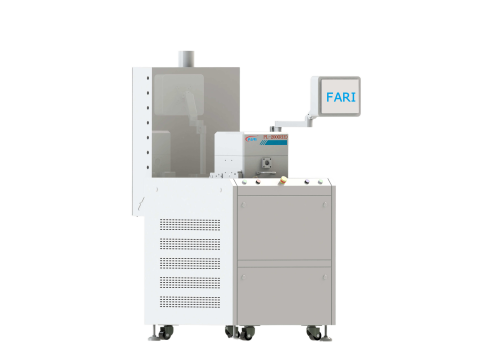
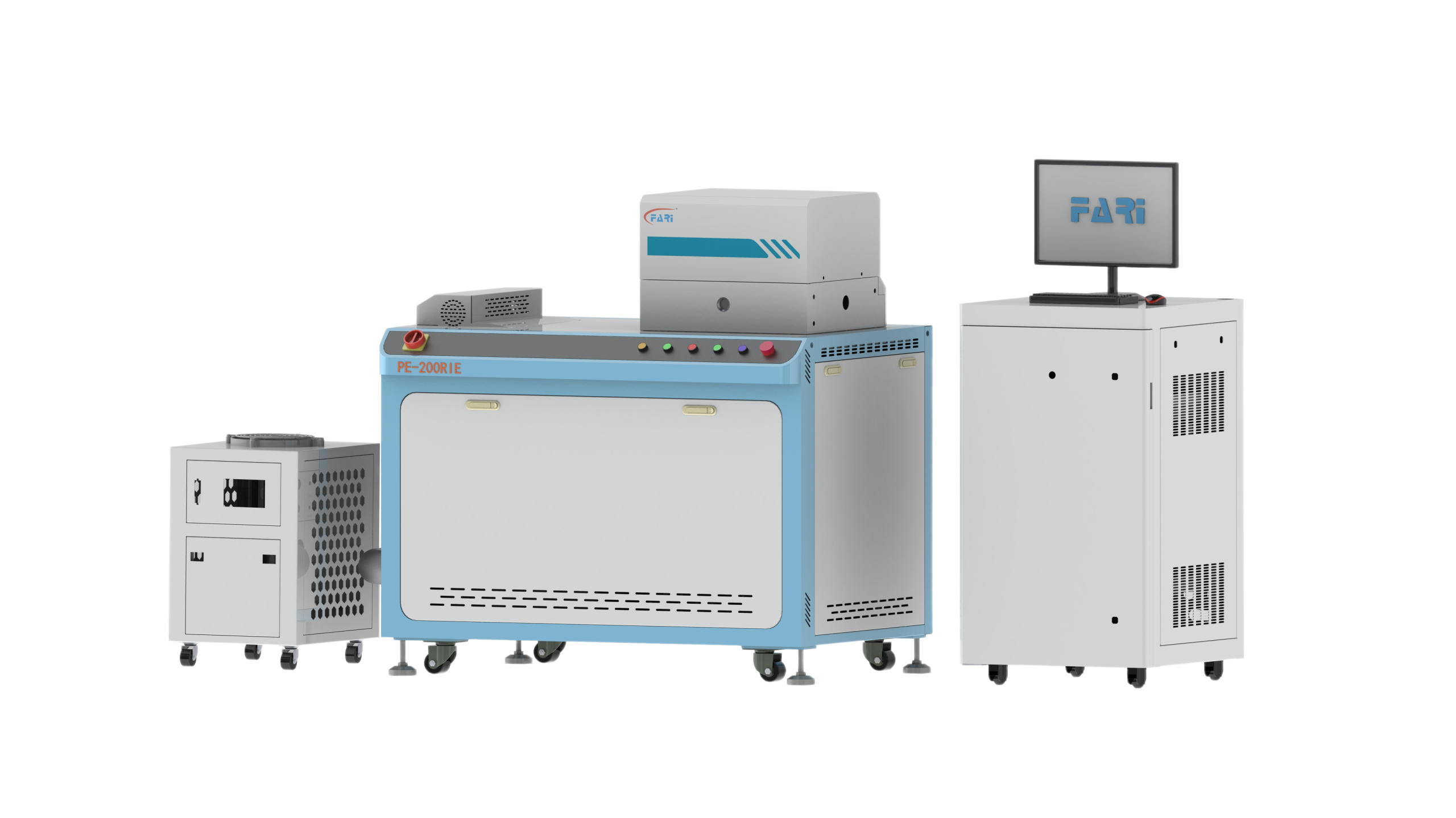
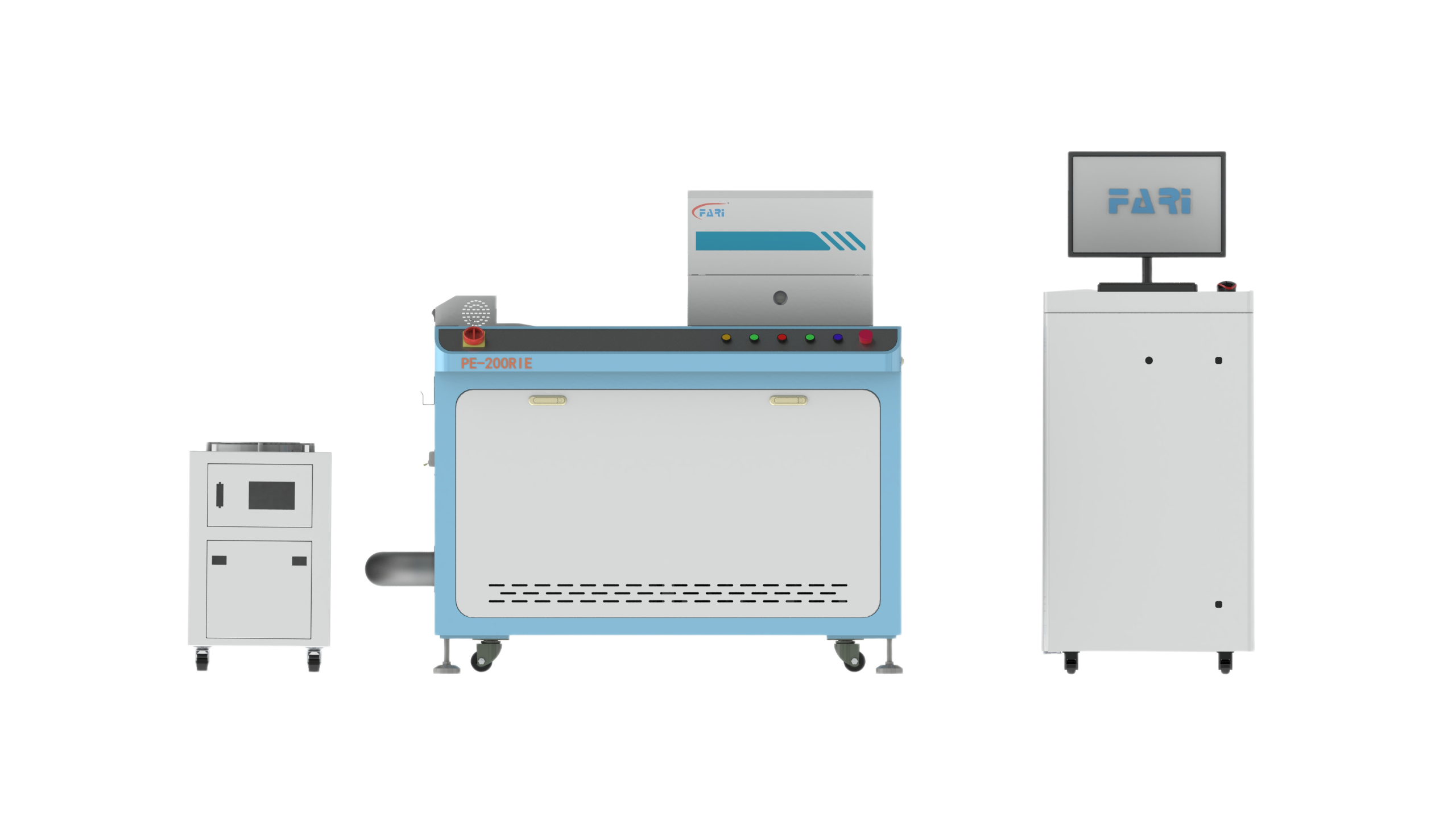
PE-200 RIE Reactive Ion Etcher

The PE-200 RIE system is designed for precise reactive ion etching in semiconductor fabrication. It supports controlled processing of silicon, SiN, SiO2, and advanced microstructures with stable plasma conditions and repeatable performance.
  • High-precision microfabrication etching.
  • Versatile for Si, SiN and SiO2.
  • Stable vacuum and RF control.

Tech Specs

Model PE-200 (RIE)
Etch Method Reactive Ion Etching (RIE)
Maximum Substrate Size Up to 200 mm wafers (configurable)
RF Power Up to 1000 W (adjustable)
Base Vacuum < 5 x 10^-3 Pa (typical)
Process Gases CF4, SF6, CHF3, O2, Ar and mixtures
Chamber Material Stainless steel with interior coating
Control Interface PLC with touchscreen (optional)

Key Features

  • High-Precision Etch Control

    Precise RF power and gas flow control enable stable process conditions and consistent etching results across different substrate types and production requirements.

  • Wide Material Compatibility

    Supports a wide range of materials including silicon, silicon nitride, silicon dioxide, and specialty substrates for diverse semiconductor manufacturing applications.

  • Stable Vacuum Performance

    Robust pumping and valve architecture maintain low base pressure and stable process environments, ensuring uniform etch rates and reduced particle contamination risks.

  • User-Friendly Operation Interface

    Intuitive control with PLC and optional touchscreen simplifies recipe management, process monitoring, and rapid adjustments to reduce setup time and operator training needs.

  • Compact, Serviceable Cabinet Design

    Ergonomic cabinet layout and accessible service points minimize maintenance downtime and streamline routine chamber cleaning, gas line replacement and RF component checks.

  • Scalable for R&D and Production

    Modular configuration supports both research-level flexibility and production-level throughput, allowing users to scale process capabilities as volume or complexity increases.

Plasma Cleaning Process

  • Plasma Generation

    Process gas is energized and converted into a reactive plasma containing ions, electrons, and radicals.

  • Plasma–Surface Interaction

    Energetic plasma species interact with surface molecules and contaminants under controlled vacuum conditions.

  • Chemical Reaction

    Reactive ions and radicals break down organic residues and surface contaminants through controlled chemical reactions.

  • Volatilization

    The reaction products are converted into volatile compounds and enter the gas phase.

  • Removal from Surface

    Gaseous by-products desorb from the surface and are evacuated, leaving a clean, activated material surface.