


Blog
Get The Latest Industry Trends
-
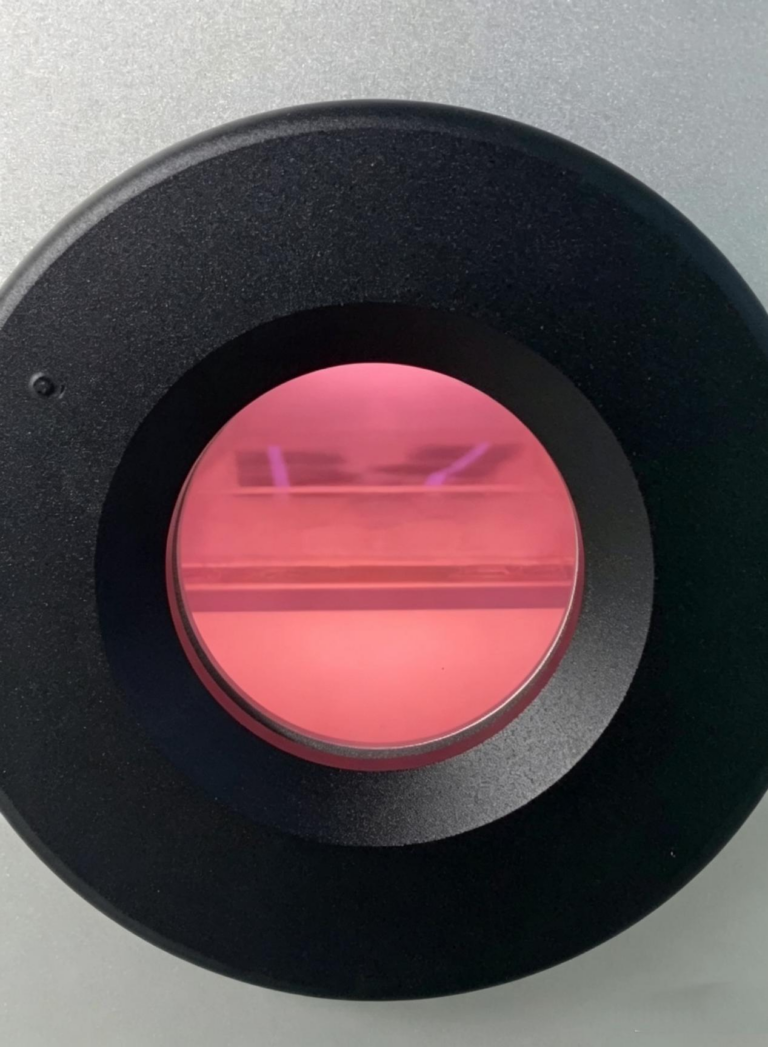
 Plasma BasicsPBT false eyelash fibers are difficult to bond when low surface energy and silicone processing residues prevent adhesive from wetting the root evenly. Vacuum plasma cleaning and activation can prepare the fiber surface without adding another wet-cleaning step.20 Oct, 2026Plasma Treatment for PBT False Eyelash Fibers: Improve Adhesive Bonding
-
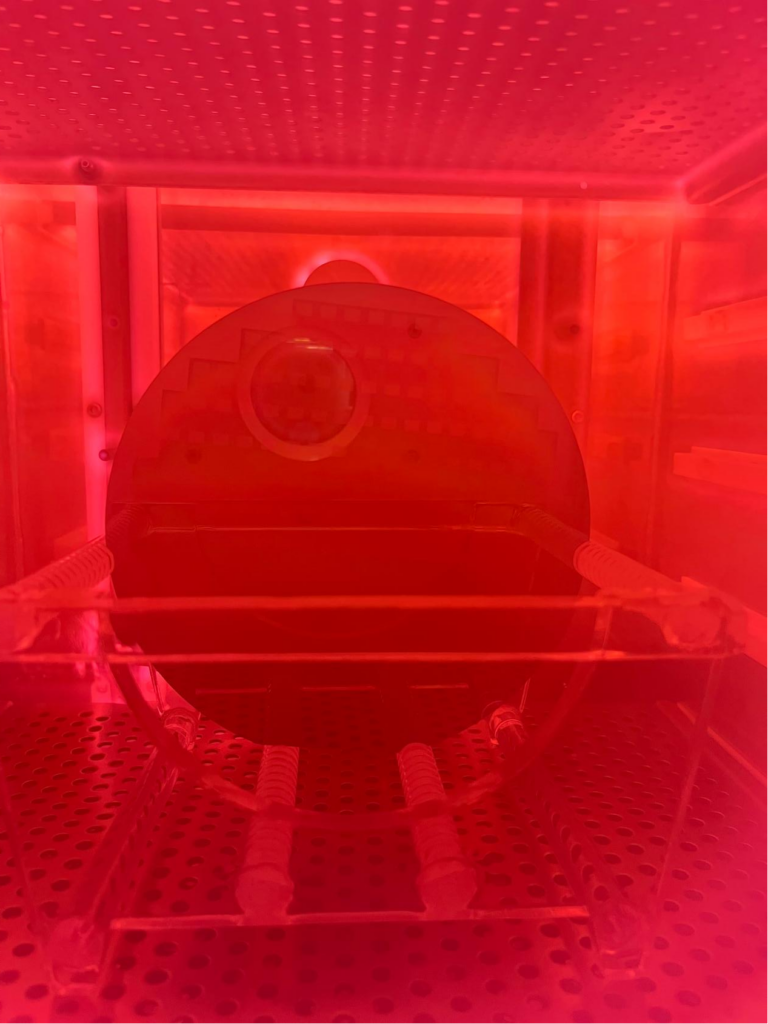
Plasma BasicsMicroscopic organic contamination and photoresist residue can interfere with bonding, coating and advanced semiconductor packaging. Controlled plasma cleaning provides a dry precision step that complements wet cleaning before critical downstream processes.15 Oct, 2026Wafer Plasma Cleaning: Surface Preparation for Semiconductor Processing
-
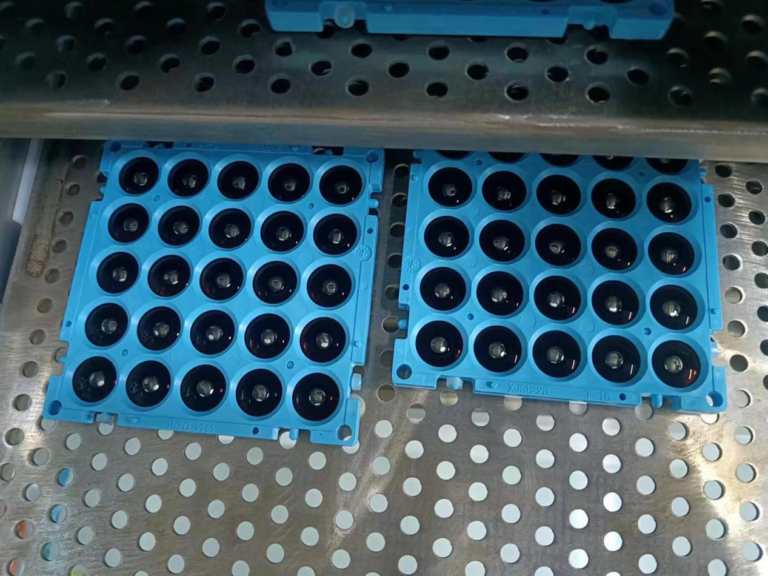
Plasma BasicsTrace polishing residue, mold release and organic contamination can undermine coating and adhesive performance on smartphone camera lenses. Low-temperature plasma provides dry precision cleaning and surface activation before AR/AF coating or module bonding.08 Oct, 2026Plasma Cleaning for Smartphone Camera Lenses: Better Coating and Bonding
-
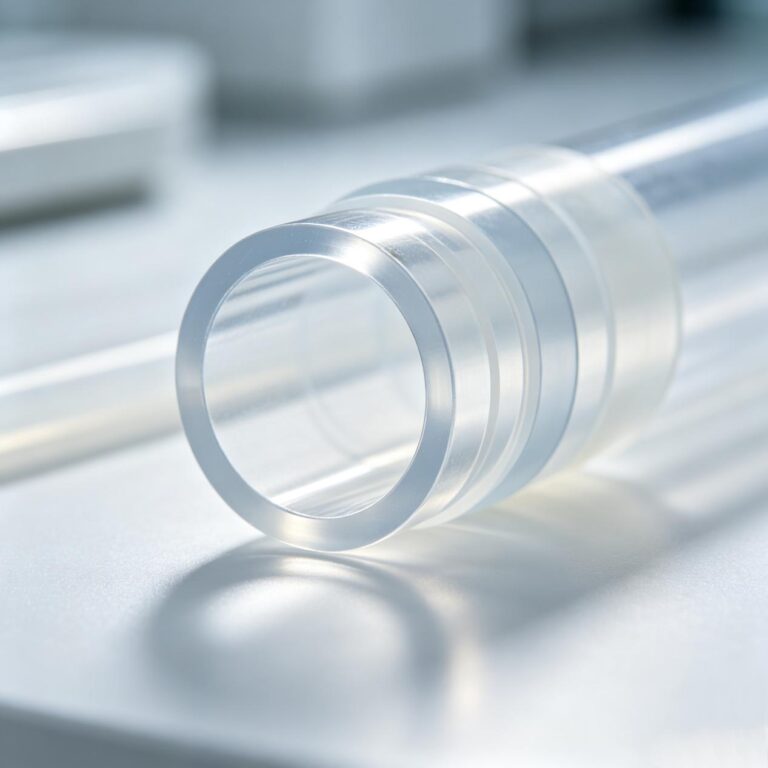
BlogLearn how controlled plasma cleaning and activation can support bonding, coating and assembly of PU, PVC, TPU, silicone and polyolefin dialysis tubing.23 Sep, 2026Plasma Treatment for Dialysis Tubes: Cleaning and Surface Activation
-
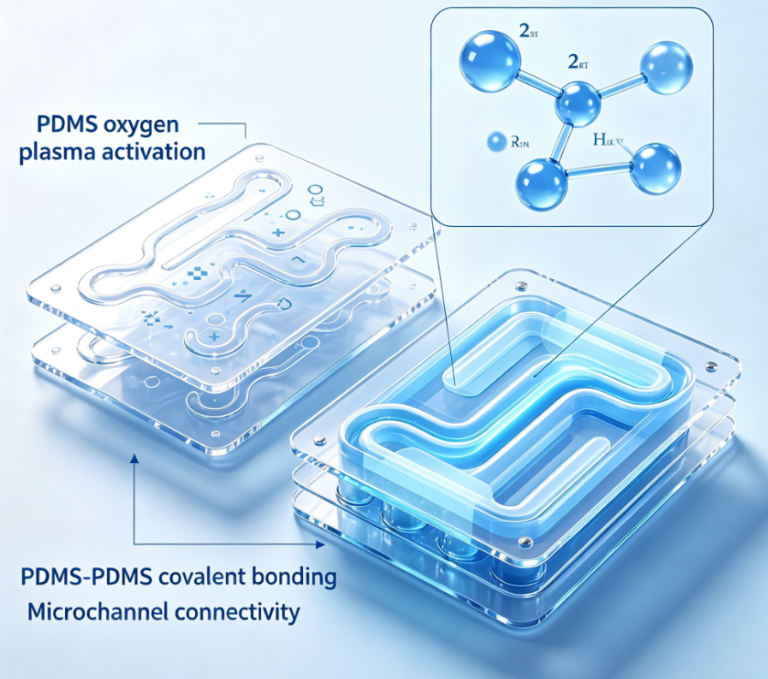
Plasma BasicsPlasma bonding is the use of plasma-generated surface activation to join two materials directly, at the molecular level, without adhesives, primers, or solvents. Engineers reach for it in medical microfluidics, silicon wafer bonding, silicone/elastomer device assembly, and anywhere an adhesive layer would add unwanted mass, outgassing, or a failure point.22 Sep, 2026Plasma Bonding Explained: How Plasma Enables Adhesive-Free Bonds
-
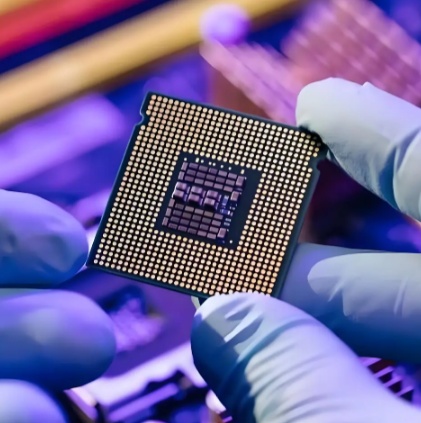
BlogSee how controlled vacuum plasma cleaning supports die attach, wire bonding, flip-chip, underfill and molding preparation in advanced packaging.18 Sep, 2026Vacuum Plasma Cleaning for Semiconductor Chips and Advanced Packaging