Semiconductor Plasma Equipment

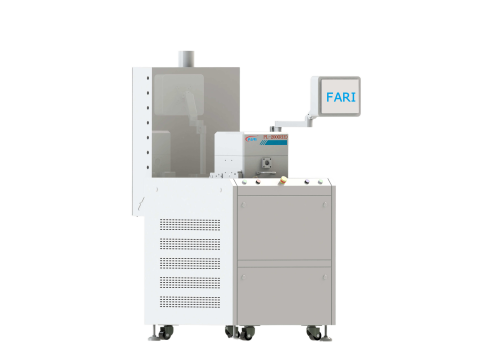
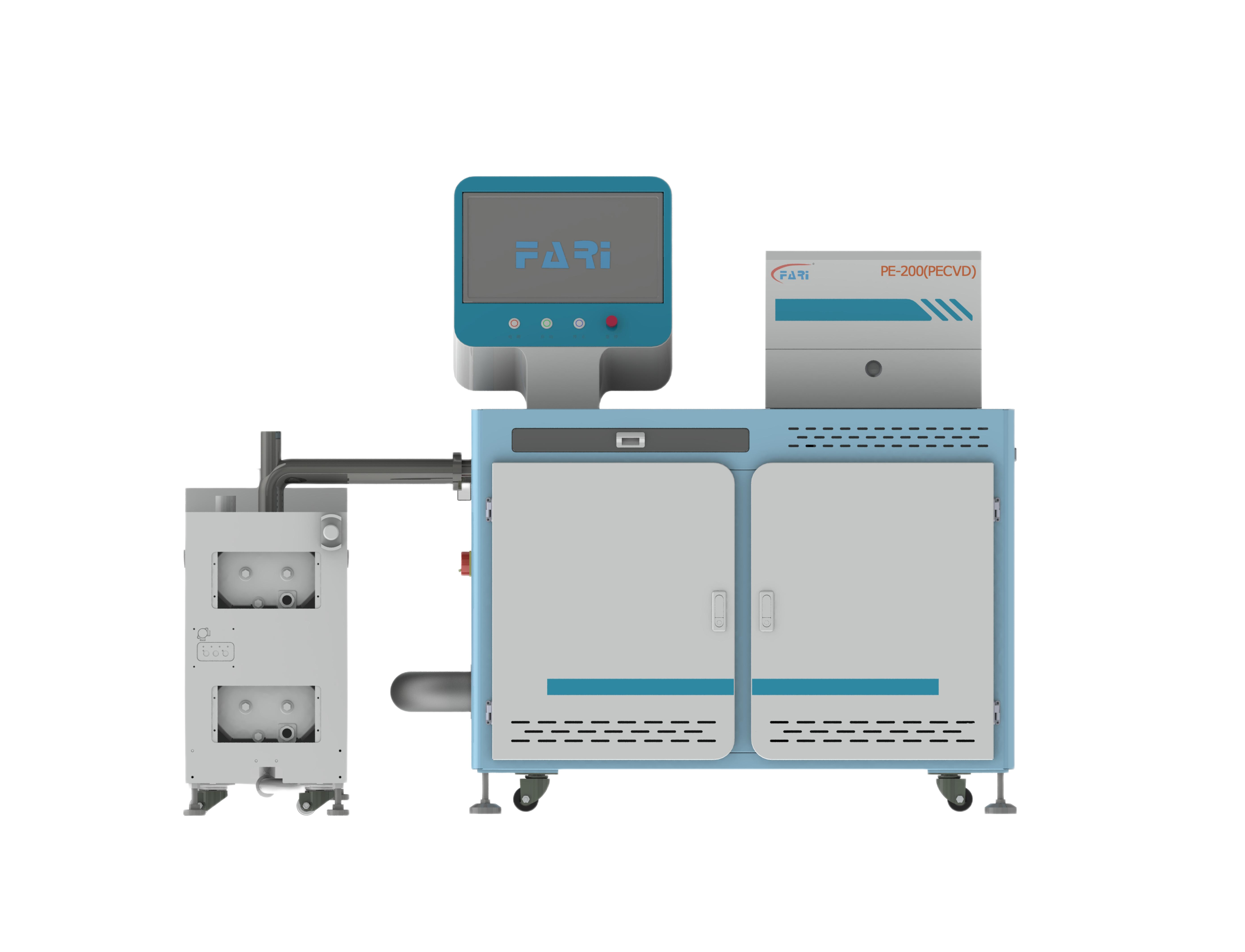
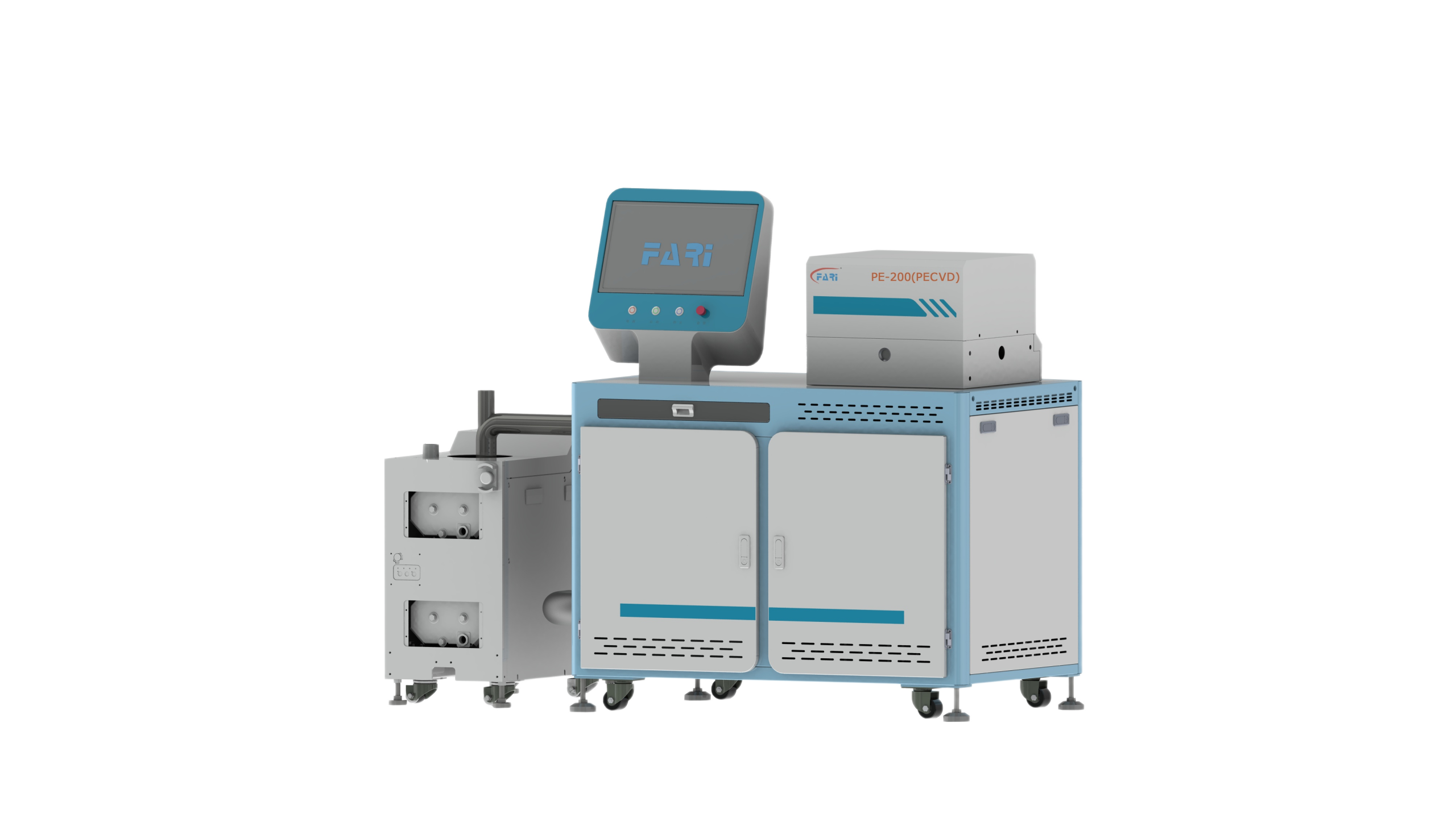
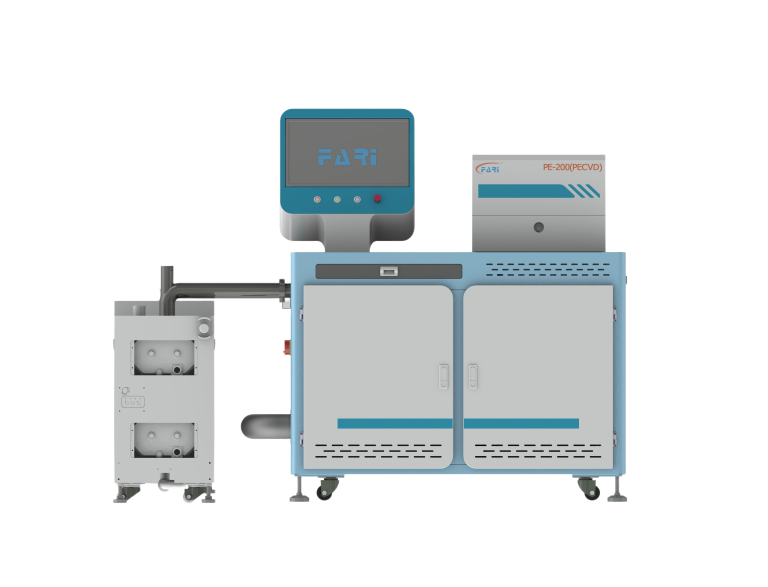
PE-200 PECVD Thin Film System

The PE-200 PECVD system provides uniform plasma-enhanced chemical vapor deposition for high-quality dielectric and optical films. It supports 2–8" wafers and processes at 100–400°C for R&D and production.
  • High-quality dielectric films
  • 100–400°C process range
  • Supports 2–8" wafers

Tech Specs

Process PECVD Deposition
Model PE-200
Temperature Range 100–400 °C
Wafer Sizes 2, 3, 4, 6, 8 inch

Key Features

  • High-Quality Dielectric Deposition

    The PE-200 enables deposition of dense, uniform dielectric and optical films with low defect density and excellent electrical properties, ensuring consistent film properties, thickness control, and process stability across semiconductor and optoelectronic applications.

  • Flexible Wafer Size Support

    Designed to handle 2 to 8 inch wafers, the system offers flexible process configurations suitable for R&D, pilot production, and small-volume manufacturing while minimizing downtime during changeovers.

  • Wide Operating Temperature Range

    With a 100–400°C processing window, the system accommodates a broad range of precursor chemistries and substrate materials, enabling both low-temperature and high-temperature PECVD processes for diverse film requirements.

  • Precise Process Control Stability

    Advanced control over RF power, gas flow and chamber environment ensures stable plasma conditions and repeatable film thickness and composition, reducing process variability and improving yield consistency.

  • Cross-Industry Application Capability

    Supports thin film deposition for semiconductor, photovoltaic, and optical device manufacturing, including passivation layers, dielectric coatings, and anti-reflective films. The PE-200 delivers stable film quality that meets stringent industry performance and reliability requirements.

  • Compact Integrable System Design

    Engineered with a compact footprint and user-friendly interface, the PE-200 is easy to integrate into lab or fab environments, simplifying installation, operation and routine maintenance for fast deployment.

Plasma Cleaning Process

  • Plasma Generation

    Process gas is energized and converted into a reactive plasma containing ions, electrons, and radicals.

  • Plasma–Surface Interaction

    Energetic plasma species interact with surface molecules and contaminants under controlled vacuum conditions.

  • Chemical Reaction

    Reactive ions and radicals break down organic residues and surface contaminants through controlled chemical reactions.

  • Volatilization

    The reaction products are converted into volatile compounds and enter the gas phase.

  • Removal from Surface

    Gaseous by-products desorb from the surface and are evacuated, leaving a clean, activated material surface.