


Blog
Get The Latest Industry Trends
-
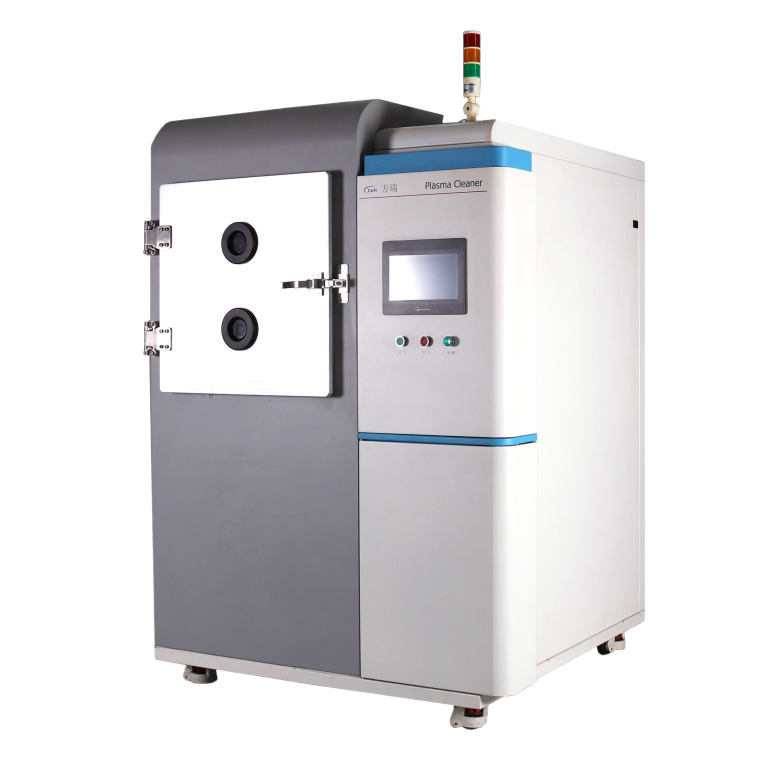
 Plasma BasicsVacuum plasma treatment generates plasma inside a sealed, low-pressure chamber to clean, activate, etch, or ash a surface without wet chemicals. Some spec sheets call this "vacuum gas plasma treatment" because a process gas is dosed into the chamber before ignition — the two terms describe the same equipment, not two different technologies. Parts are loaded into the chamber as a batch, exposed to plasma under controlled pressure, and unloaded once the cycle finishes.25 Aug, 2026Vacuum Plasma Treatment Explained: How It Works and When to Use It
-
Plasma BasicsCompare air, oxygen, nitrogen, and argon plasma treatment gases. Learn what each does to your surface and which to pick for bonding, coating, or cleaning.24 Jul, 2026Plasma Treatment Gas Selection Guide: Air, Oxygen, Nitrogen, Argon — What Each Gas Actually Does to Your Surface
-
Plasma BasicsCompare dyne ink, contact angle, and XPS for surface energy testing. Learn which method fits QC, R&D, and failure analysis — with real numbers.10 Jul, 2026Dyne Ink Testing vs. Contact Angle vs. XPS: Which Surface Energy Test Should You Actually Trust?
-
Plasma BasicsLearn the real differences between plasma activation, cleaning, and etching — plus when to use each. Expert comparison guide from fariplasmatech.26 Jun, 2026Plasma Activation vs. Plasma Cleaning vs. Plasma Etching: What’s the Difference and When to Use Each
-
Plasma BasicsContact angle measurement is the gold standard for verifying plasma treatment effectiveness — but only if you do it right. Learn the techniques, pitfalls, and benchmarks that separate reliable verification from guesswork, and ensure every treated surface meets your bonding and coating specifications.30 Apr, 2026Contact Angle Measurement After Plasma Treatment: How to Verify You’re Getting Results