Semiconductor Plasma Equipment

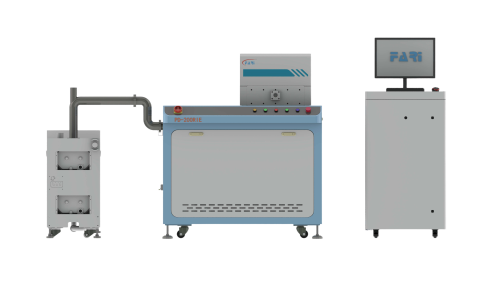
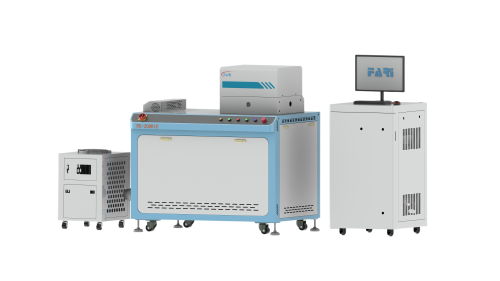
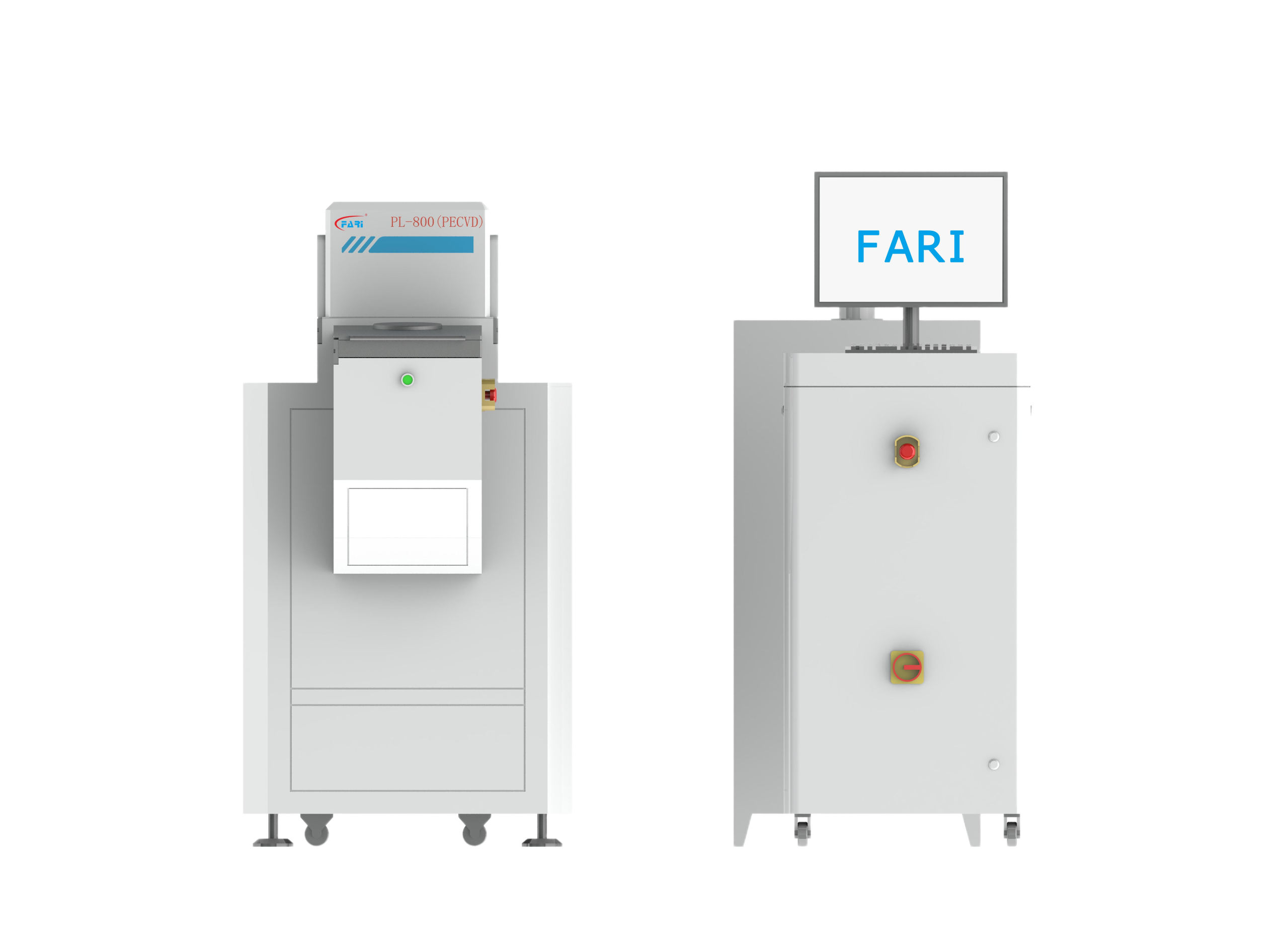
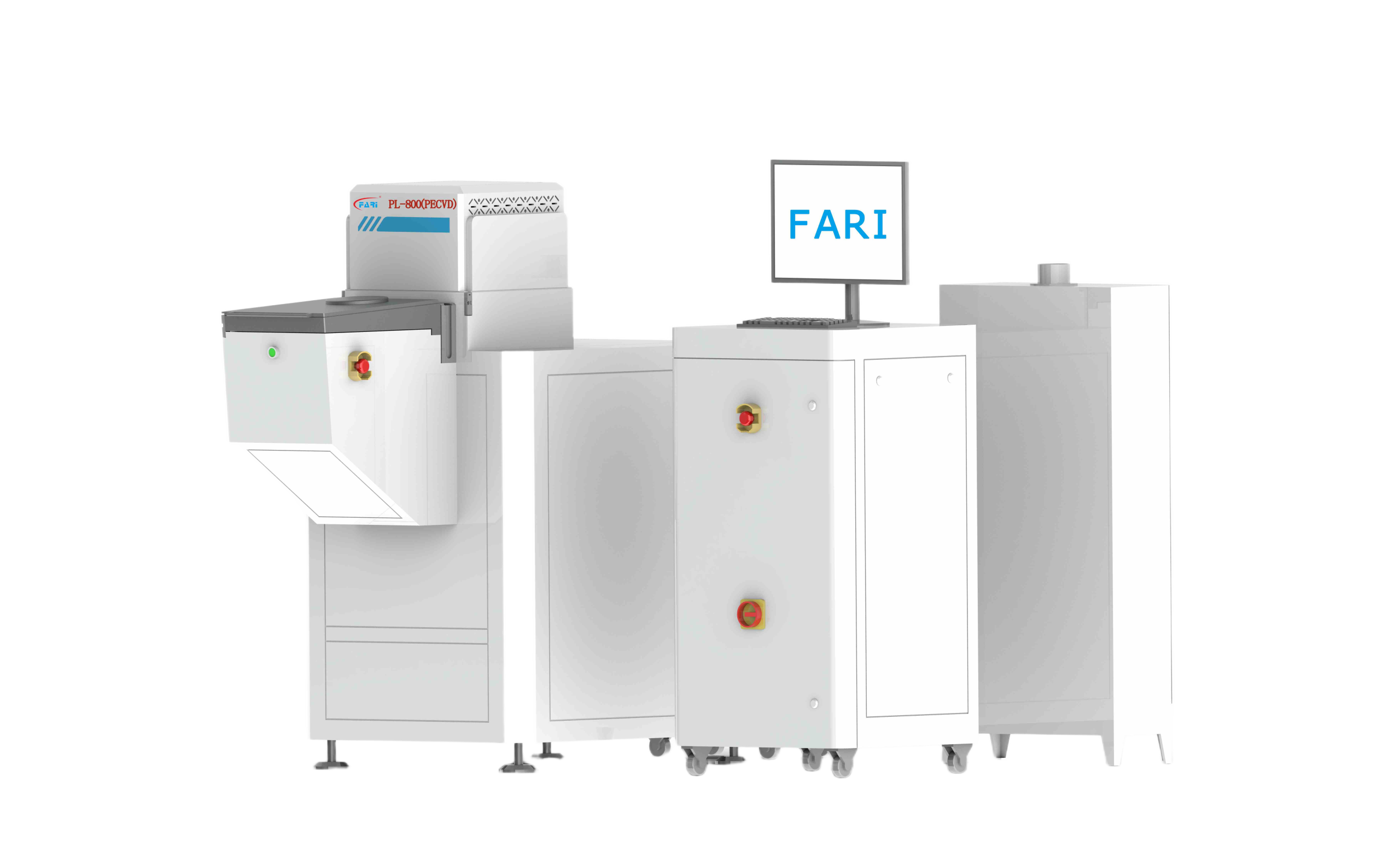
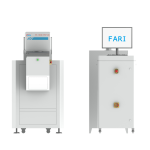
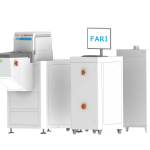
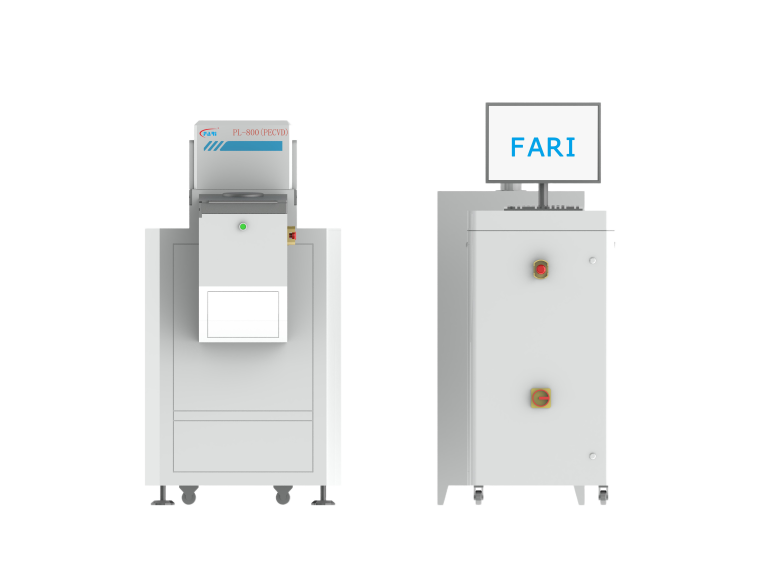
FR-G800 Dual-Chamber PECVD System

FR-G800 PECVD is a dual-chamber plasma-enhanced CVD system for low-temperature deposition of high-quality dielectric and optical thin films. It supports 2–8" wafers and broad R&D and production needs.
  • High-quality dielectric and optical film deposition
  • Dual-chamber configuration for throughput and process isolation
  • Wide wafer support (2–8") and 100–400°C process range

Tech Specs

Process Type PECVD (Plasma Enhanced Chemical Vapor Deposition)
Model FR-G800
Chamber Configuration Dual-chamber
Temperature Range 100–400 °C
Wafer Sizes Supported 2, 3, 4, 6, 8 inch
Discharge Methods DC / AC / RF / Microwave / ECR
Typical Deposited Materials Dielectric and optical thin films (e.g., SiOx, SiNx, low-k materials)
Primary Applications Semiconductors, photonics, photovoltaics, biomedical devices

Key Features

  • Dual-Chamber Low-Temperature PECVD Deposition

    A dual-chamber layout allows parallel processing and isolation between load/unload and process chambers, enabling continuous throughput while maintaining low-temperature deposition for thermally sensitive substrates.

  • Versatile Wafer Size Compatibility

    Supports multiple wafer sizes (2, 3, 4, 6, 8 inches) to accommodate R&D and small-to-medium production runs across diverse semiconductor and photonics manufacturing workflows.

  • High-Quality Dielectric & Optical Films

    Engineered for dense, low-defect dielectric and optical coatings, the system produces films with strong adhesion and controlled properties suitable for photonic devices, passivation, and encapsulation.

  • Comprehensive Plasma Control & Uniformity

    Multiple discharge methods (RF, microwave, ECR, DC/AC) and precise process control deliver uniform plasma conditions for repeatable film stoichiometry, thickness control, and low defectivity across the substrate.

  • Low Thermal Budget, High Adhesion Performance

    Low-temperature process capability minimizes thermal stress on substrates and components while improving film adhesion and density, making it suitable for temperature-sensitive materials and heterogeneous stacks.

  • Scalable Design for Diverse Industries

    Modular, dual-chamber architecture and adaptable process recipes support applications across semiconductors, photovoltaics, biomedical devices, and advanced optics with straightforward scalability.

Plasma Cleaning Process

  • Plasma Generation

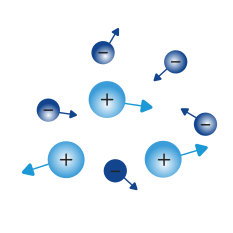
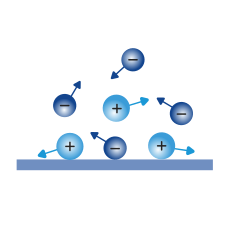
    Process gas is energized and converted into a reactive plasma containing ions, electrons, and radicals.
  • Plasma–Surface Interaction

    High-energy plasma species reach the material surface and interact with contaminants at the molecular level.
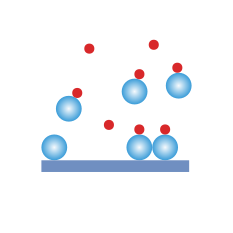
  • Chemical Reaction

    Reactive ions and radicals break down organic residues and surface contaminants through controlled chemical reactions.

  • Volatilization

    The reaction products are converted into volatile compounds and enter the gas phase.
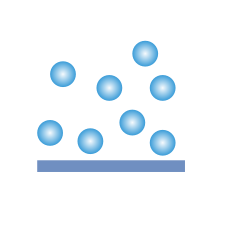
  • Removal from Surface

    Gaseous by-products desorb from the surface and are evacuated, leaving a clean, activated material surface.