
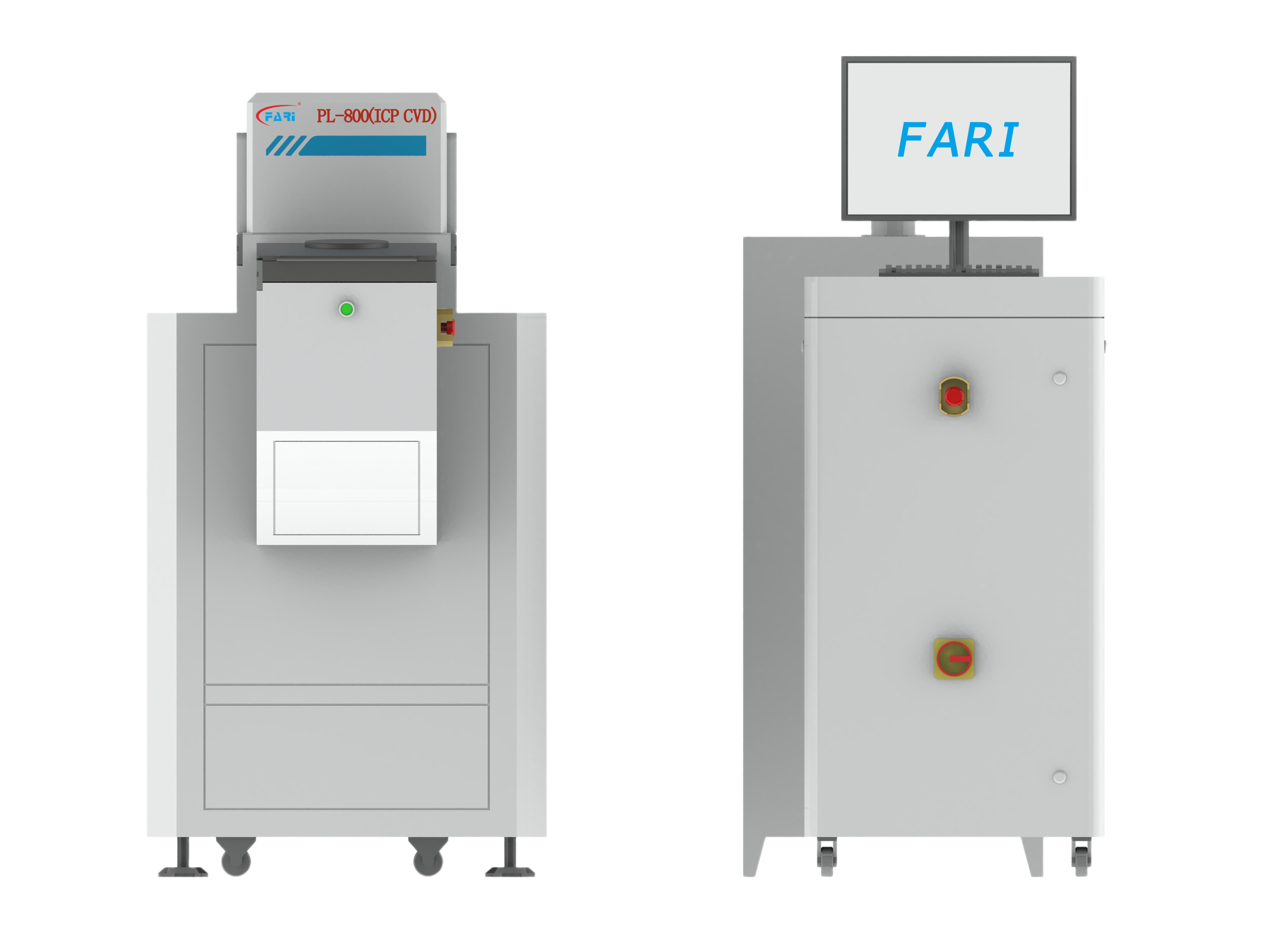
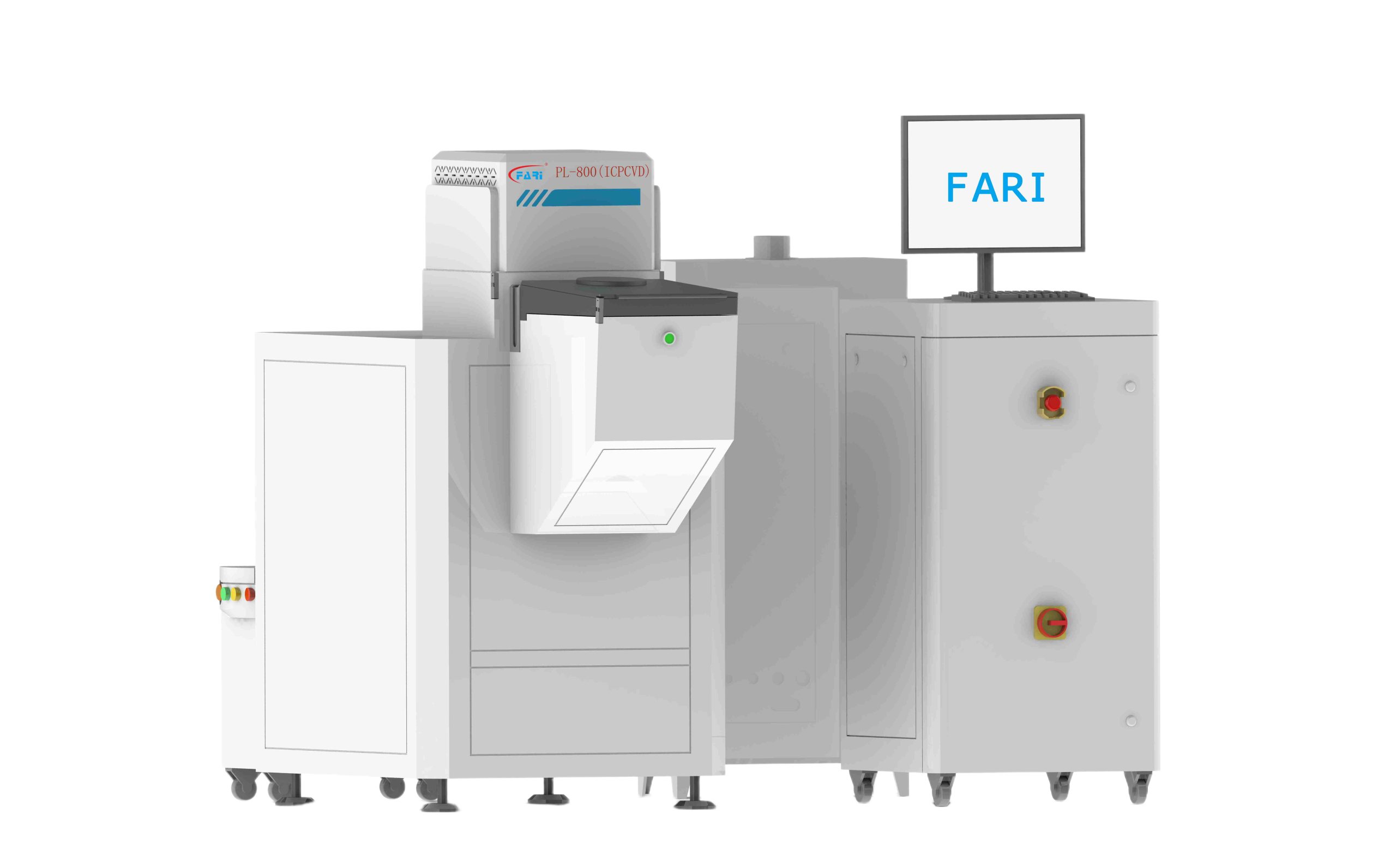
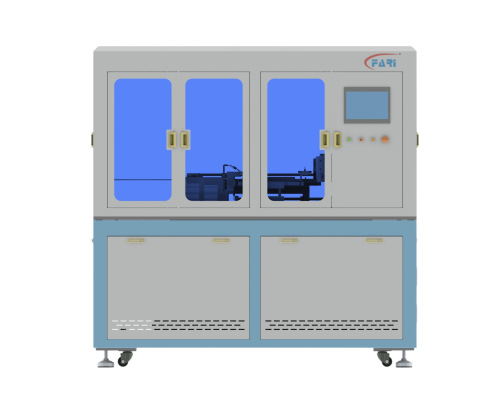
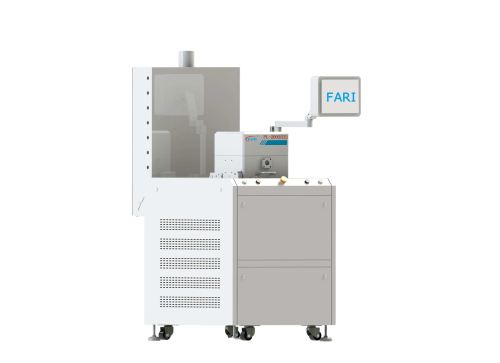
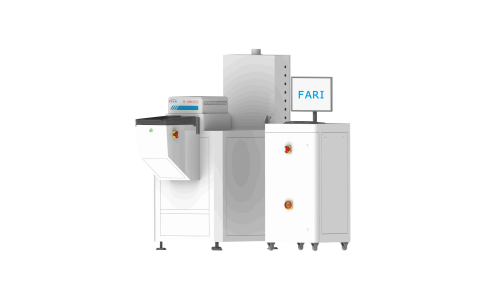
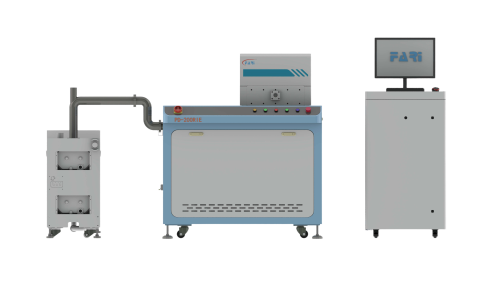
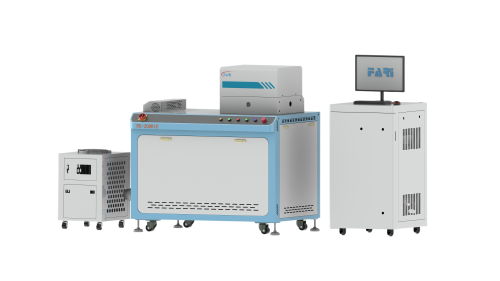
High-density ICP CVD dual-chamber system for deposition of SiN, SiO2 and a-Si films. Delivers uniform, reproducible thin films and advanced composite deposits for semiconductor, solar and related industries.
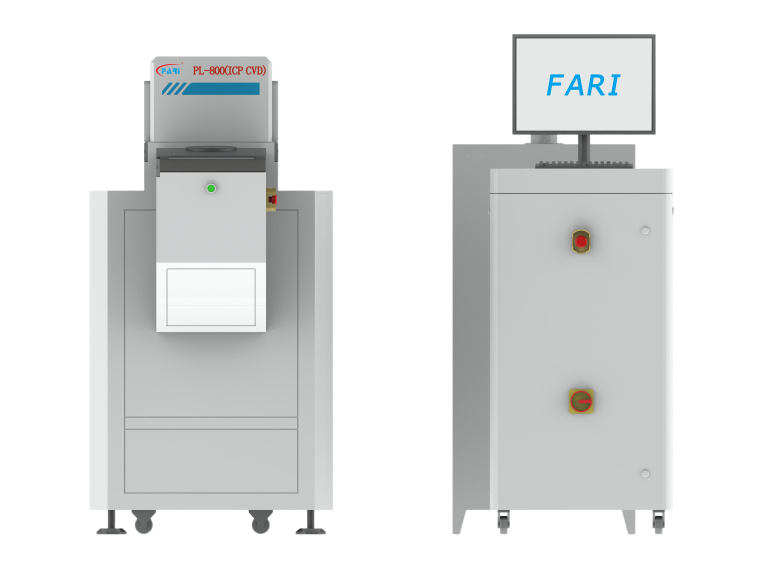
| System Type | Inductively Coupled Plasma Chemical Vapor Deposition (ICP-CVD) |
| Configuration | Dual-chamber design for parallel processing and higher throughput |
| Target Films | Silicon nitride (SiN), silicon dioxide (SiO2), amorphous silicon (a-Si) and composite deposits |
| Main Components | Reaction chambers, vacuum system, gas delivery system, RF power supply, and integrated control system |
| Plasma Source | Inductive RF excitation producing high-density plasma and abundant reactive species |
| Primary Functions | Thin film deposition, surface modification, and composite material growth via plasma-driven chemistry |





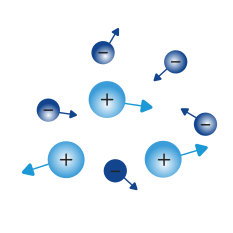
Process gas is energized and converted into a reactive plasma containing ions, electrons, and radicals.
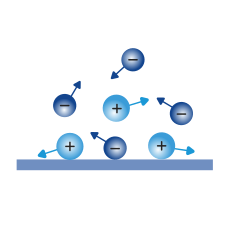
High-energy plasma species reach the material surface and interact with contaminants at the molecular level.
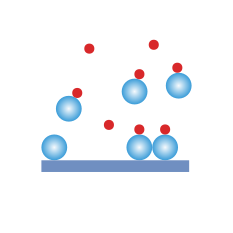
Reactive ions and radicals break down organic residues and surface contaminants through controlled chemical reactions.

The reaction products are converted into volatile compounds and enter the gas phase.

Gaseous by-products desorb from the surface and are evacuated, leaving a clean, activated material surface.

English

Japanese

Korean
Rogatus ad ultimum admissusque in consistorium ambage nulla praegressa inconsiderate