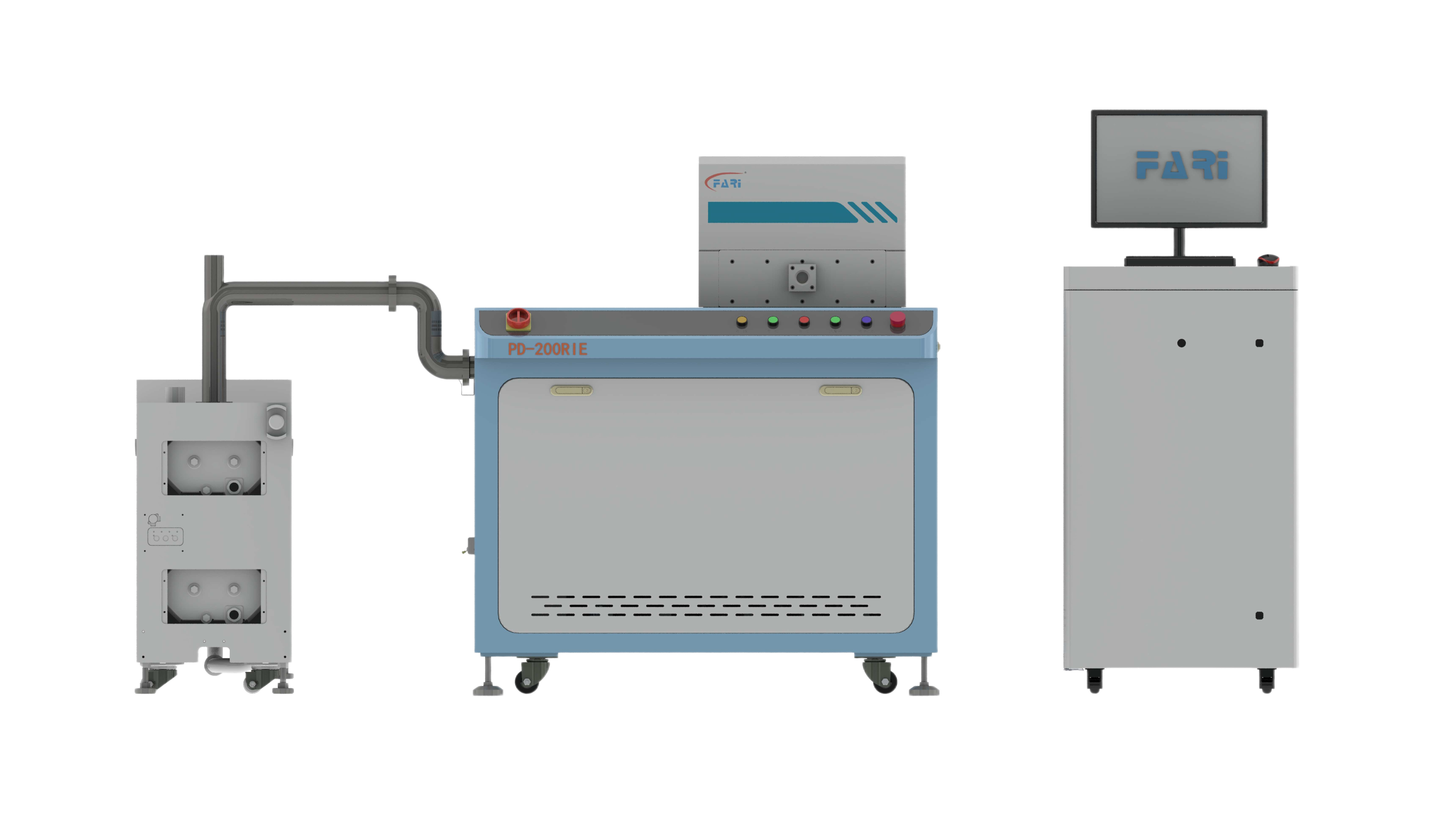
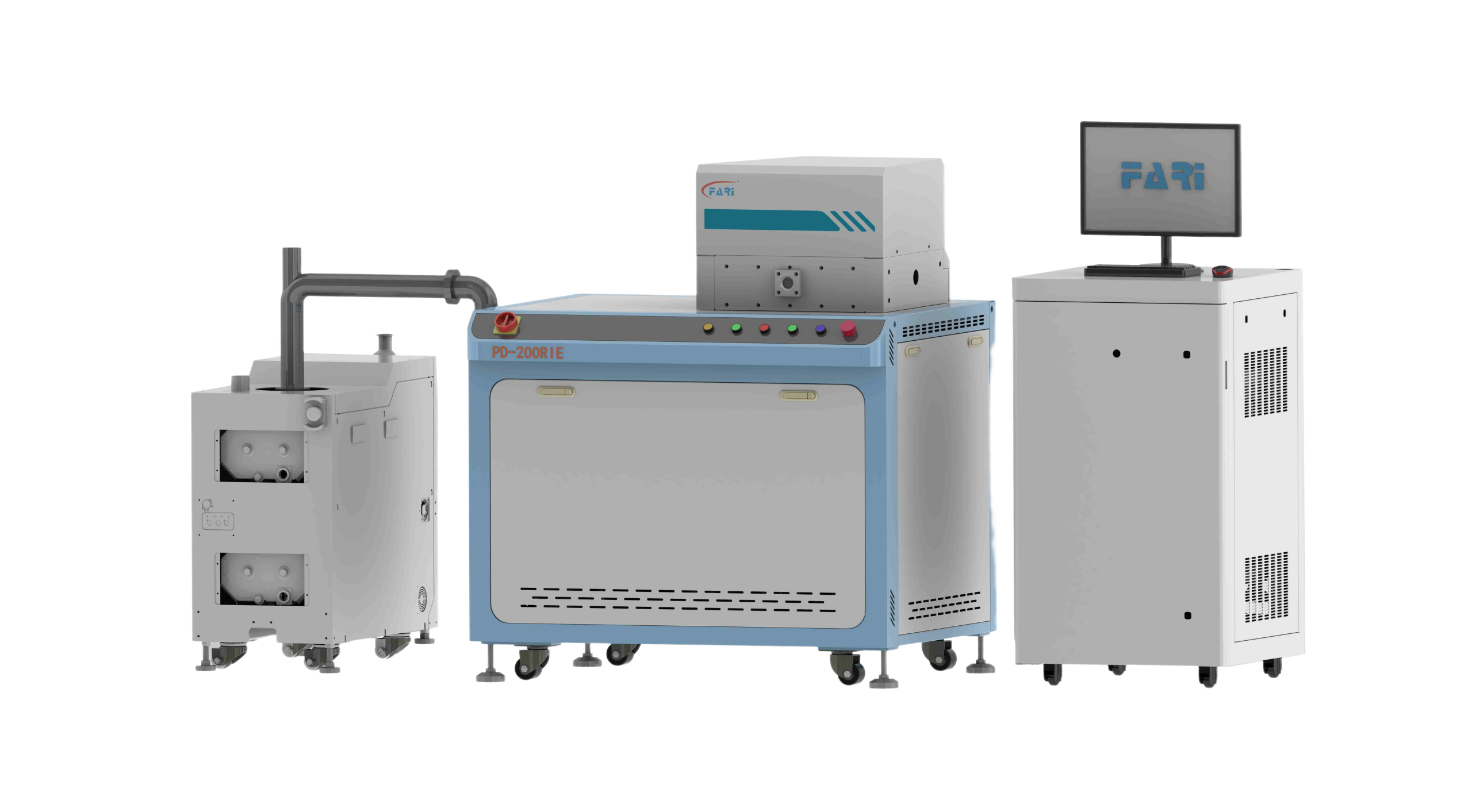
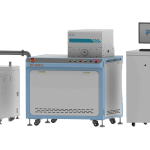
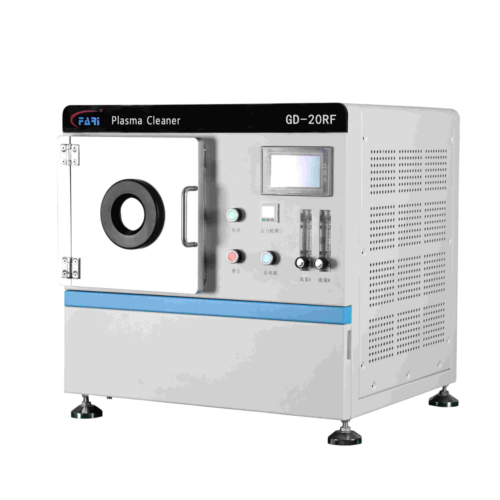
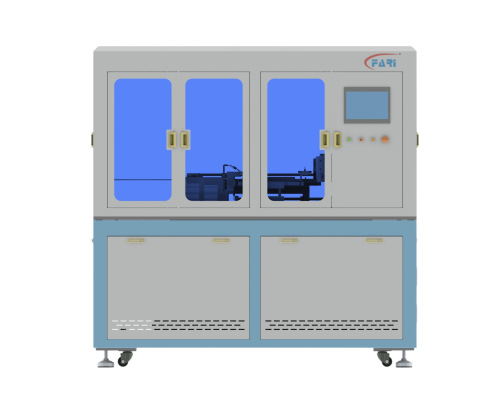
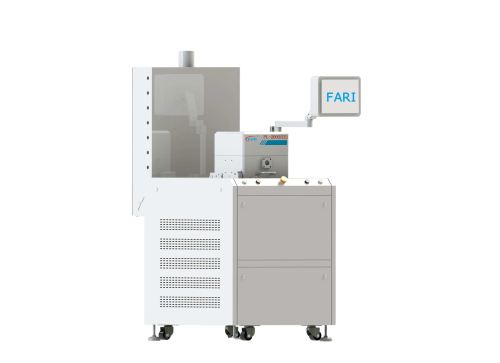
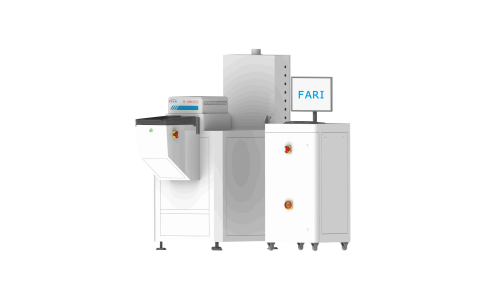
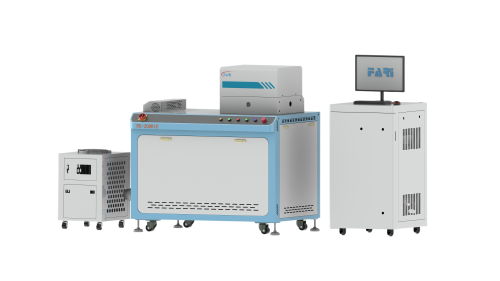
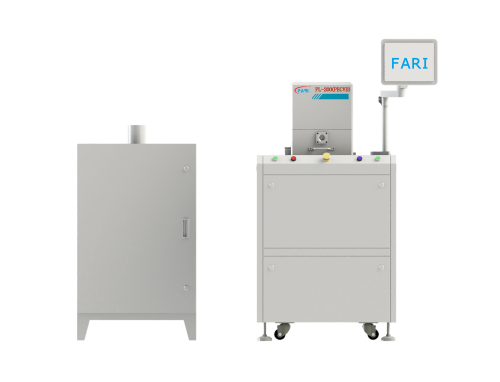
RIE Plasma Resist Stripping System delivers controlled, uniform plasma-based resist and contamination removal for semiconductor, medical, automotive and energy applications, improving surface cleanliness and adhesion.
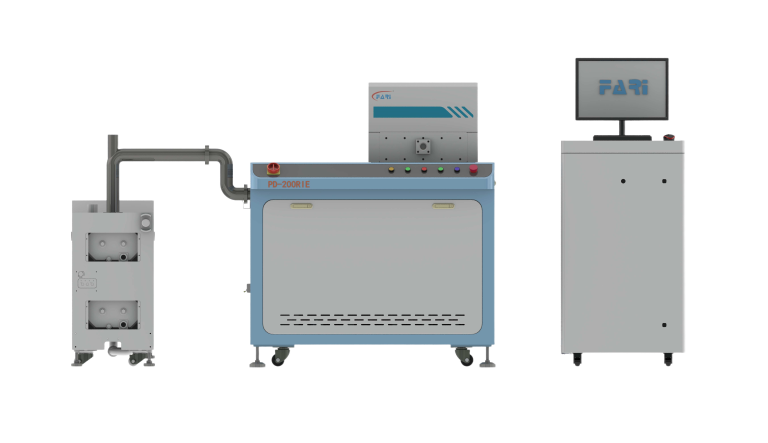
| Chamber Size | Ø200 mm internal diameter (approx.) |
| RF Power Range | 0 – 300 W, digitally adjustable |
| RF Frequency | 13.56 MHz standard |
| Process Gases | O2, Ar, CF4, CHF3 (configurable mixtures) |
| Pressure Range | 1 – 1000 mTorr (0.13 – 133 Pa) |
| Maximum Part Size | Up to 200 mm diameter or equivalent |
| Typical Cycle Time | Process-dependent; typical 1 – 15 minutes |
| Temperature Control | Ambient to 200 °C (optional heater) |
| Control System | Industrial PLC with color touch screen |
| Power Requirements | AC 220 V ±10%, 50/60 Hz, ~2 kVA |
| Dimensions (W×D×H) | 800 × 700 × 1400 mm (approx.) |
| Weight | Approx. 150 kg |
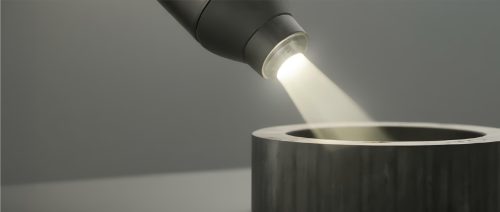






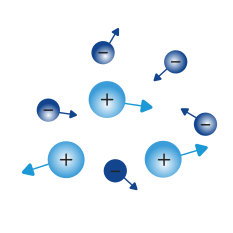
Process gas is energized and converted into a reactive plasma containing ions, electrons, and radicals.
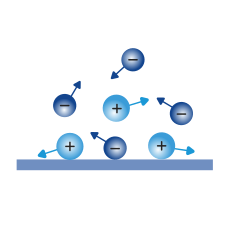
High-energy plasma species reach the material surface and interact with contaminants at the molecular level.
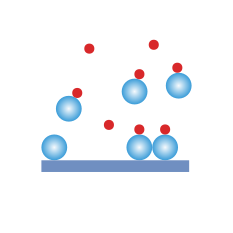
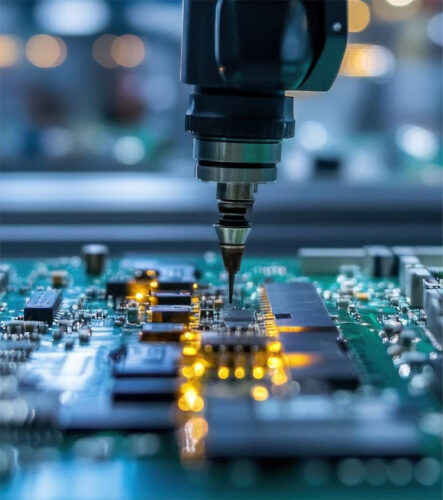
Reactive ions and radicals break down organic residues and surface contaminants through controlled chemical reactions.

The reaction products are converted into volatile compounds and enter the gas phase.
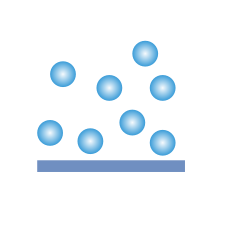
Gaseous by-products desorb from the surface and are evacuated, leaving a clean, activated material surface.

English

Japanese

Korean
Rogatus ad ultimum admissusque in consistorium ambage nulla praegressa inconsiderate