


Blog
Get The Latest Industry Trends
-
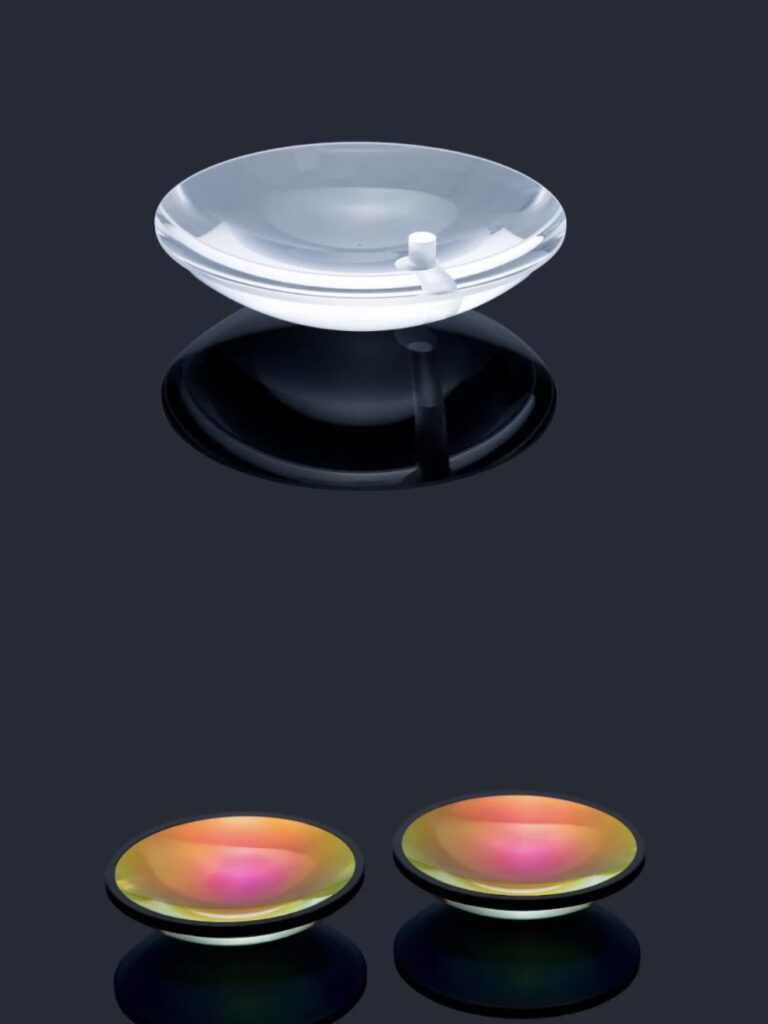
 BlogLearn how controlled plasma cleaning can remove or condition organic films on optical glass before rework, recoating or precision bonding.08 Sep, 2026Plasma Treatment for Organic Films on Optical Glass: Controlled Cleaning and Rework
-
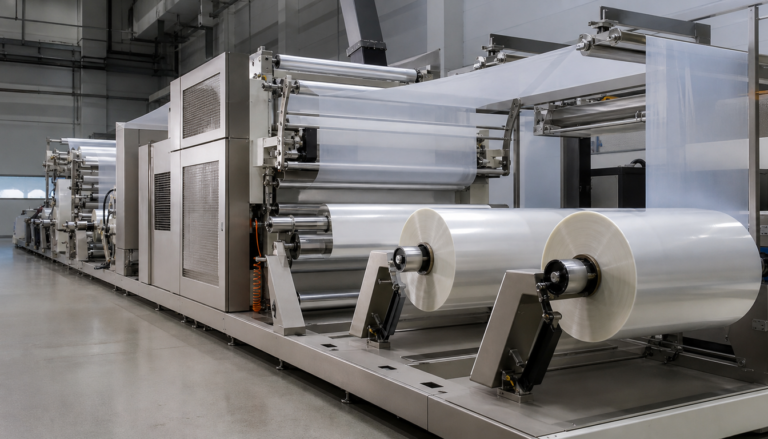
Industry InsightsAn untreated BOPP, PE, or PET film surface is a non-polar hydrocarbon chain with no chemical site for an ink binder, adhesive, or coating resin to bond to. That fact explains most flexible-packaging adhesion complaints: ink beading, coating crawl, laminations that delaminate during pouch-filling. Plasma treatment for packaging films fixes it by chemically altering the surface before anything touches it. Below: how the treatment works film by film, and where it beats the corona treater most lines already have.08 Sep, 2026Plasma Treatment for Flexible Packaging: How to Achieve Reliable Ink and Coating Adhesion on Films
-
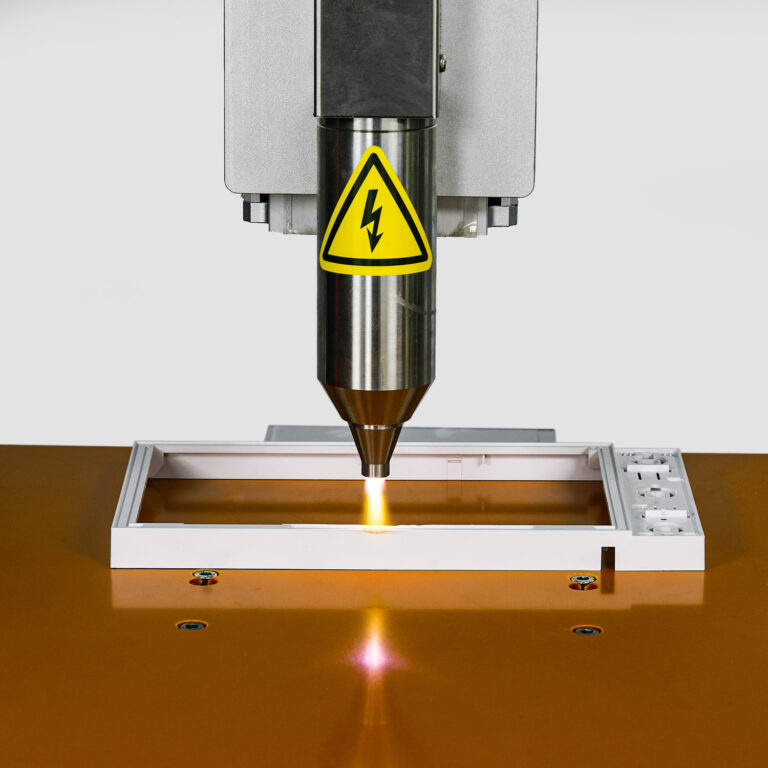
CasesBy Fari Plasma Applications Engineering | Reviewed March 202607 Sep, 2026Plasma Treatment for Electronics: How One Manufacturer Cut Scrap Rates by 34%
-
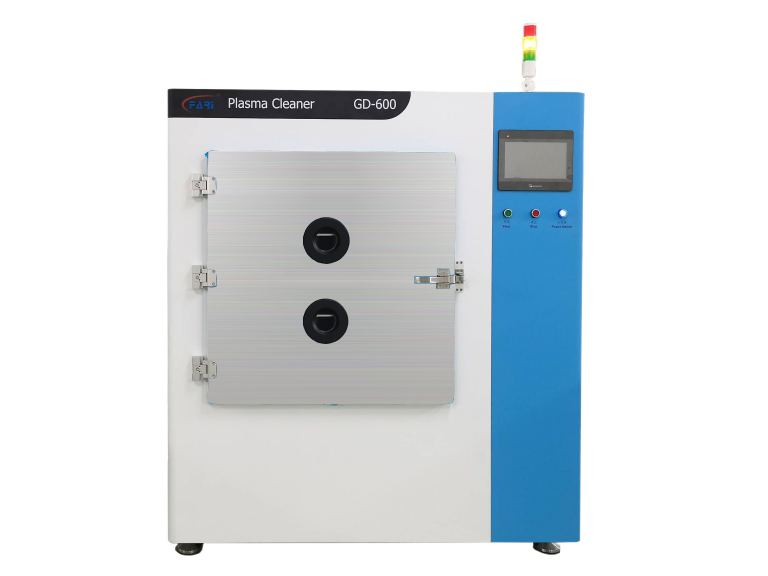
Plasma BasicsAn inline plasma cleaner treats parts as they move continuously through a plasma zone — on a conveyor, robotic arm, or automated fixture — rather than loading a batch into a sealed chamber and running a fixed cycle. The format brings real throughput and automation benefits, but also real trade-offs worth weighing before committing capital to a line integration. Before deciding, compare it directly against the Inline Automatic Vacuum Plasma Cleaner to see whether continuous-feed treatment actually matches your part flow.04 Sep, 2026Inline Plasma Cleaner Pros and Cons: Advantages, Limitations & When to Use
-
BlogSee how dry plasma cleaning can remove trace organic contamination and condition aluminum interfaces before bonding, coating, printing or assembly.03 Sep, 2026Plasma Cleaning for Aluminum Parts: Dry Removal of Oils and Oxides
-
Plasma BasicsOxygen plasma is ionized oxygen gas — a mix of atomic oxygen, O⁺ and O₂⁺ ions, ozone, and ultraviolet photons — generated by applying RF or other electrical energy to O2 gas inside a vacuum chamber or an atmospheric plasma head. It's the most widely used plasma chemistry in surface treatment because it's cheap, available anywhere compressed gas or an oxygen generator can supply it, and reactive enough to clean, activate, or etch almost any organic-contaminated surface. It also has limits — it oxidizes copper and silver, over-treats thin polymer films, and can't reach shadowed geometry at atmospheric pressure — which is where argon, air, or nitrogen take over.03 Sep, 2026Oxygen Plasma Cleaning: How It Works and When to Use It