PP toy plasma treatment is a dry surface-preparation process used to improve printing, coating and adhesive bonding on polypropylene toy parts. PP is lightweight, durable and cost-effective, but its low surface energy makes it difficult for inks, paints and adhesives to wet the surface consistently. A properly controlled plasma process activates only the outermost surface, helping manufacturers achieve more reliable adhesion without adding a wet chemical primer step.
This guide explains why PP toy parts are difficult to decorate or bond, how plasma activation works, where it fits in production and which process checks help keep results stable.
Polypropylene is a non-polar polymer with naturally low surface energy. On an untreated part, liquid ink or adhesive tends to bead instead of spreading into a uniform film. Mold-release residues, handling oils and additives that migrate to the surface can make adhesion even less predictable.
For toy manufacturers, the most common symptoms include:
These failures are often surface problems rather than ink or adhesive problems. The broader mechanism is covered in our guide to why adhesive bonding fails and how plasma treatment helps.
An atmospheric plasma system applies a controlled electrical discharge to a process gas, often compressed air, and directs the resulting reactive species toward the part. The treatment acts at the surface rather than through the full thickness of the toy component.
Three effects work together:
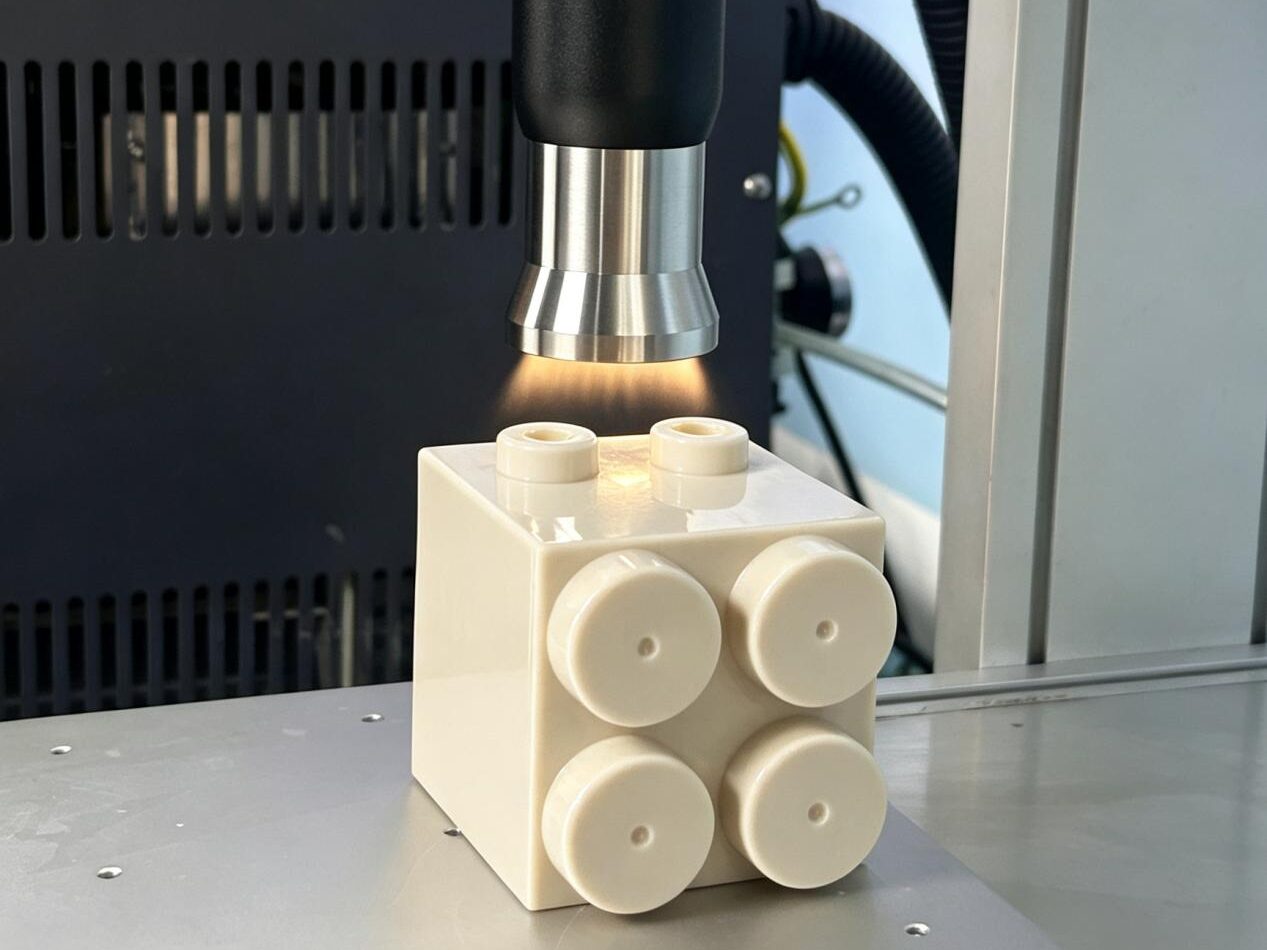
The result is a surface that ink, paint or adhesive can wet more uniformly. For a more detailed explanation of the underlying mechanisms, see Plasma Surface Treatment Explained.
Plasma activation can be placed before pad printing, screen printing, inkjet coding, spray coating or other decoration steps. Better wetting helps the applied layer form a continuous film instead of retracting into weak, discontinuous areas. The process is especially useful for graphics that must survive handling, cleaning and repeated play.
PP housings, sound modules, decorative inserts and accessory components may require adhesive assembly. Treating the bond area shortly before dispensing adhesive can improve joint consistency and reduce dependence on aggressive primers. Adhesive selection, joint design and cure conditions still remain part of the final performance.
When PP is combined with a compatible elastomer or another polymer, plasma can help prepare the interface before overmolding. The correct treatment recipe depends on both materials, the molding temperature and the required peel strength, so representative production trials are essential.
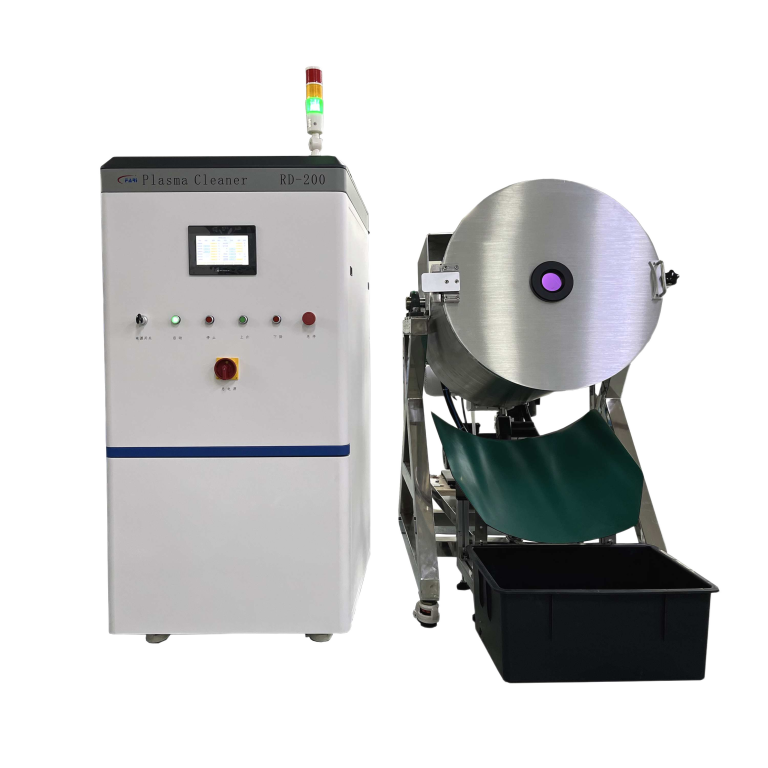
Small batches can be processed in a chamber or a compact workstation, while high-volume toy components can be treated inline with fixed or robotic plasma nozzles. Manufacturers comparing these formats can review atmospheric versus low-pressure plasma for production lines.
A successful process is based on a defined treatment window rather than maximum power. Important variables include:
Atmospheric nozzles are directional, so complex parts may need rotation, multiple nozzles or a robot path. A low-pressure chamber is often a better choice when uniform treatment of deep recesses and multiple sides is required.
Visual appearance alone cannot confirm plasma treatment because the activated part may look unchanged. A practical quality plan combines a surface-energy check with an application-specific adhesion test.
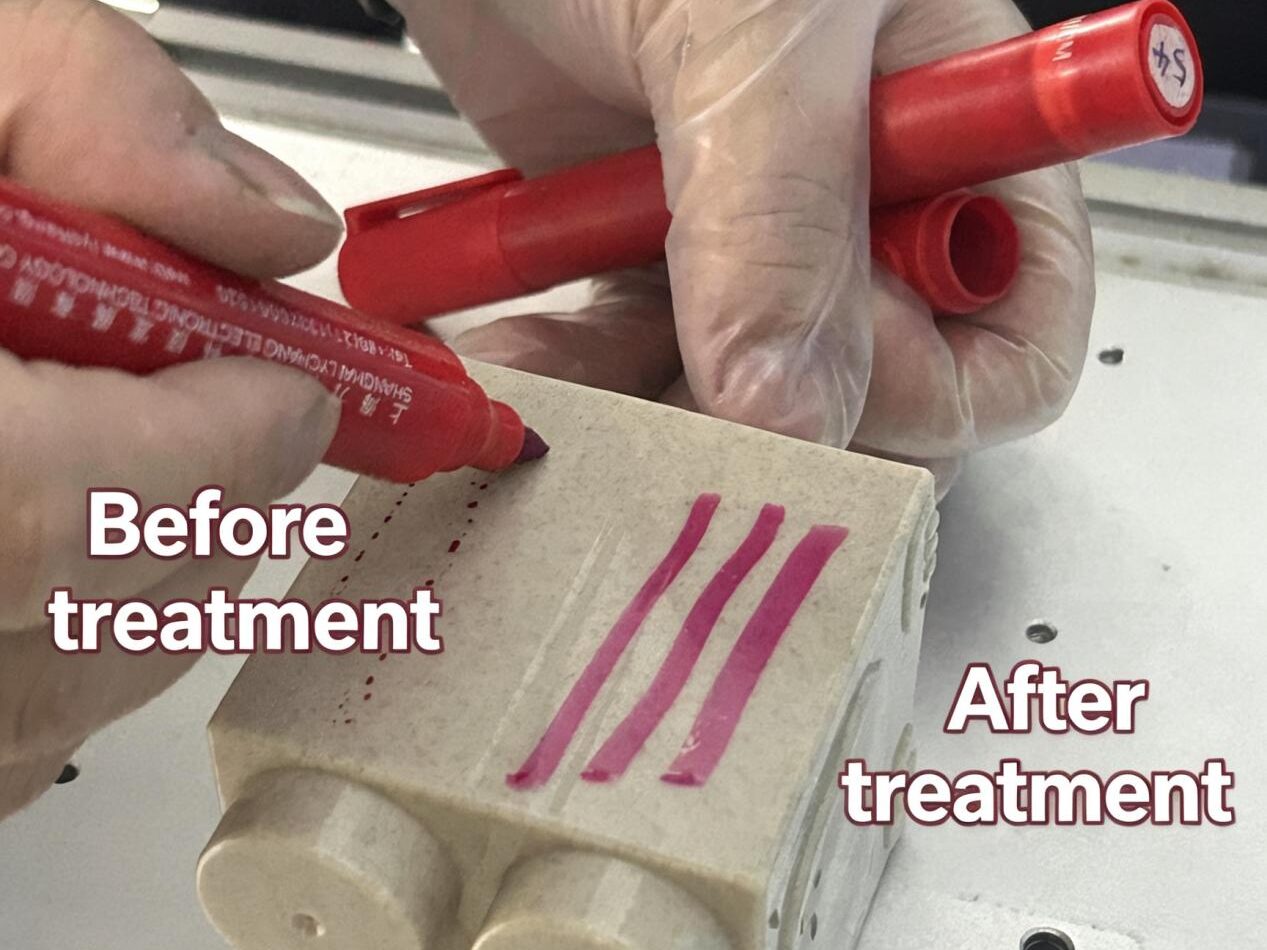
Dyne pens are useful for fast line-side checks, while contact-angle measurement provides more quantitative data. Final approval should also include tests relevant to the product, such as tape adhesion, rub resistance, wash durability, peel strength or environmental aging. Our comparison of dyne ink, contact angle and XPS explains where each method fits.
PP toy plasma treatment can be evaluated for building blocks, educational toys, figurine housings, bath toys, sound-producing toys, promotional items and molded toy accessories. Other materials—including TPE, ABS, PET, PVC and silicone—can also benefit from plasma surface activation, but each substrate needs its own validated recipe.
Plasma modifies the outermost surface without mechanical abrasion. Thermal damage can be avoided by setting an appropriate power level, stand-off distance and treatment speed for the wall thickness and geometry. A sample trial should always be completed before production release.
The useful treatment window depends on the PP formulation, storage conditions and downstream material. Printing or bonding as soon as practical usually gives the most repeatable result. The allowable delay should be established with surface-energy and adhesion testing.
It can treat surfaces reached by the plasma jet. Complex geometry may require part rotation, a robotic path or several nozzles. For deep cavities or full 360-degree batch treatment, a low-pressure plasma chamber may provide more uniform exposure.
No single surface-treatment step determines product compliance. Plasma is a dry process and does not deposit a conventional liquid primer, but the finished toy must still be evaluated with its actual polymer, pigments, inks, adhesives and production conditions against the applicable market requirements.
Yes. Treatment can be positioned immediately before printing, coating, adhesive dispensing or overmolding. For guidance on production readiness, see 5 Signs Your Production Line Is Ready for Inline Plasma Integration.
The best equipment and recipe depend on part size, geometry, cycle time, ink or adhesive chemistry and the required adhesion test. Review our plasma treatment applications or contact FARI Plasma to discuss sample testing and production-line integration.




English

Spanish
Rogatus ad ultimum admissusque in consistorium ambage nulla praegressa inconsiderate