
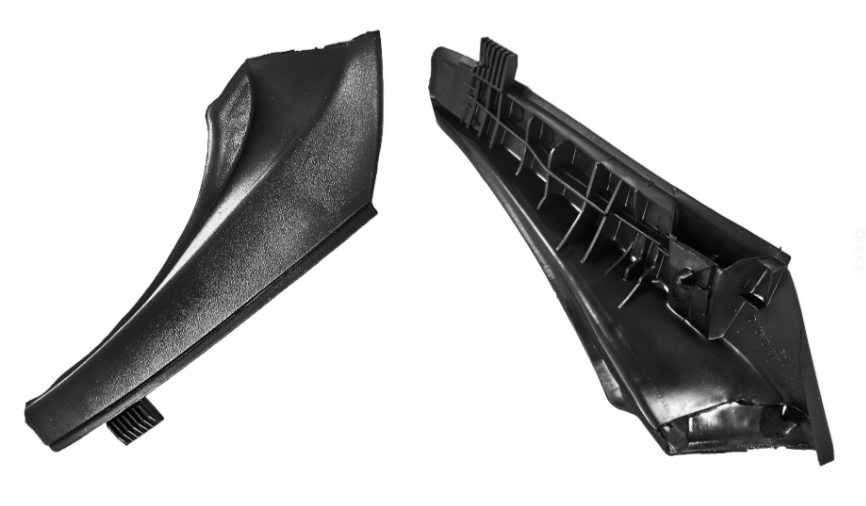
Plasma treatment for automotive plastic bonding is a dry, localized surface-preparation step for PP, ABS, PC, POM and glass-fiber-reinforced engineering plastics. It can improve adhesive wetting and remove trace contamination before bonding, sealing or coating of interior trim, exterior parts, sensor housings and selected battery or structural components.
Low surface energy is the central challenge. Mold release, silicone migration, handling oil and textured surfaces can make a part appear clean while preventing the adhesive from spreading. Plasma helps when the failure mechanism is at the interface; adhesive selection, joint design and curing still determine final durability.
PP and many polyolefin-rich compounds are naturally non-polar. ABS, PC, POM and filled grades can vary with pigment, fiber content, molding conditions and additive package. Sanding can create dust and change appearance. Solvent wiping and primers add handling steps and VOC controls. Flame treatment can be difficult to localize on complex, thin-wall parts.
For a general failure-analysis framework, see why adhesive bonding fails and where plasma fits.
An atmospheric plasma nozzle directs reactive species onto the selected bond path. A qualified dose can clean trace organics, increase surface polarity and create a more receptive interface for a compatible adhesive. The process is usually localized, so the rest of the part can retain its original texture and appearance.
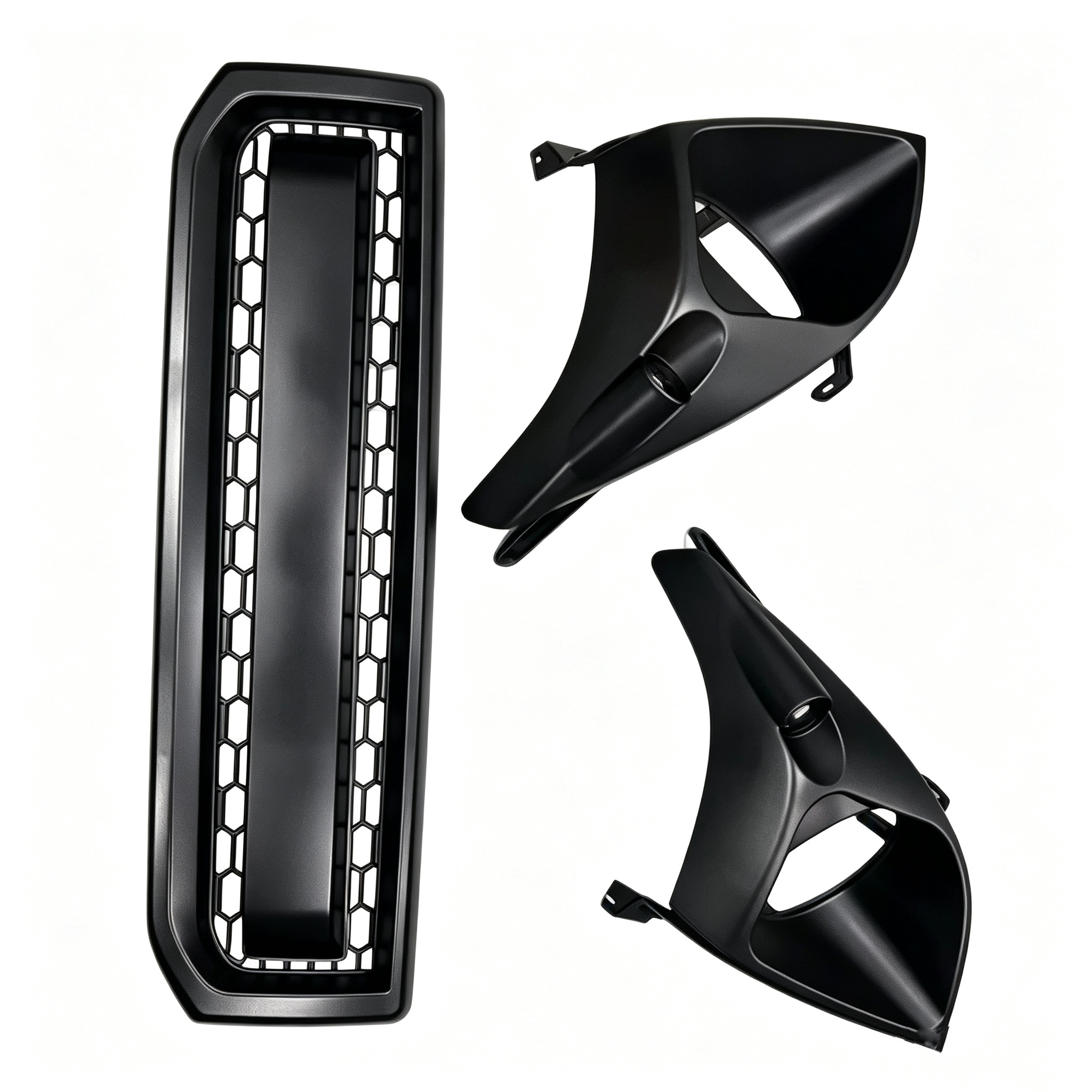
The practical goal is consistent wetting and bond performance, not the highest possible dyne value. Learn how cleaning, activation and etching differ before defining a recipe.
Localized treatment can prepare clips, decorative trim, grilles and textured surfaces before adhesive or tape application. Check visible color, gloss, texture and edge effects alongside bond strength.
Plasma may improve bonding or sealing on polymer housings, but electrical isolation, gasket compression, ingress protection and thermal cycling remain essential tests.
Selected covers, insulation components and lightweight structural parts can be evaluated for adhesive or coating preparation. The process must be compatible with fire performance, dimensional tolerance and the complete assembly qualification.
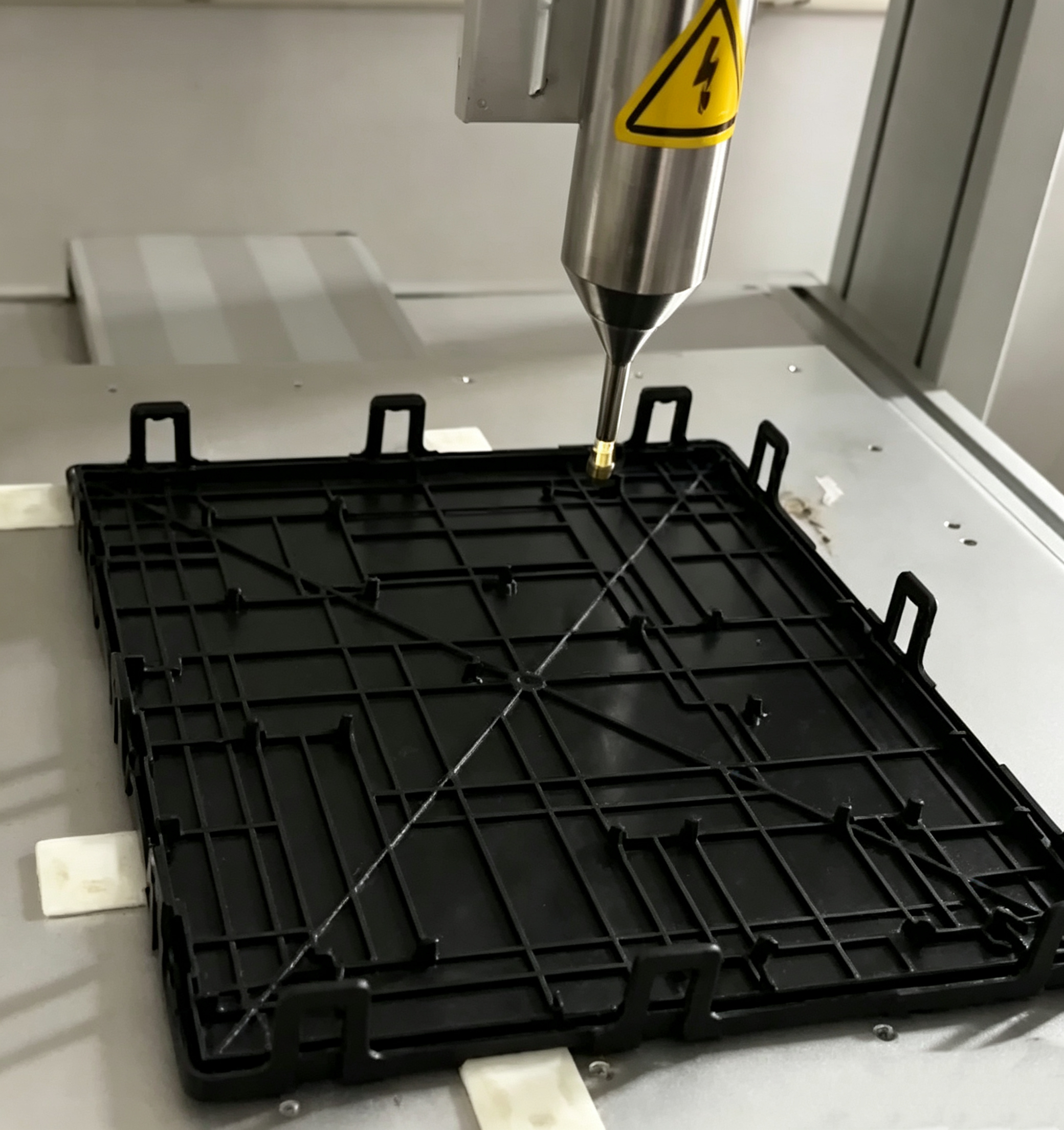
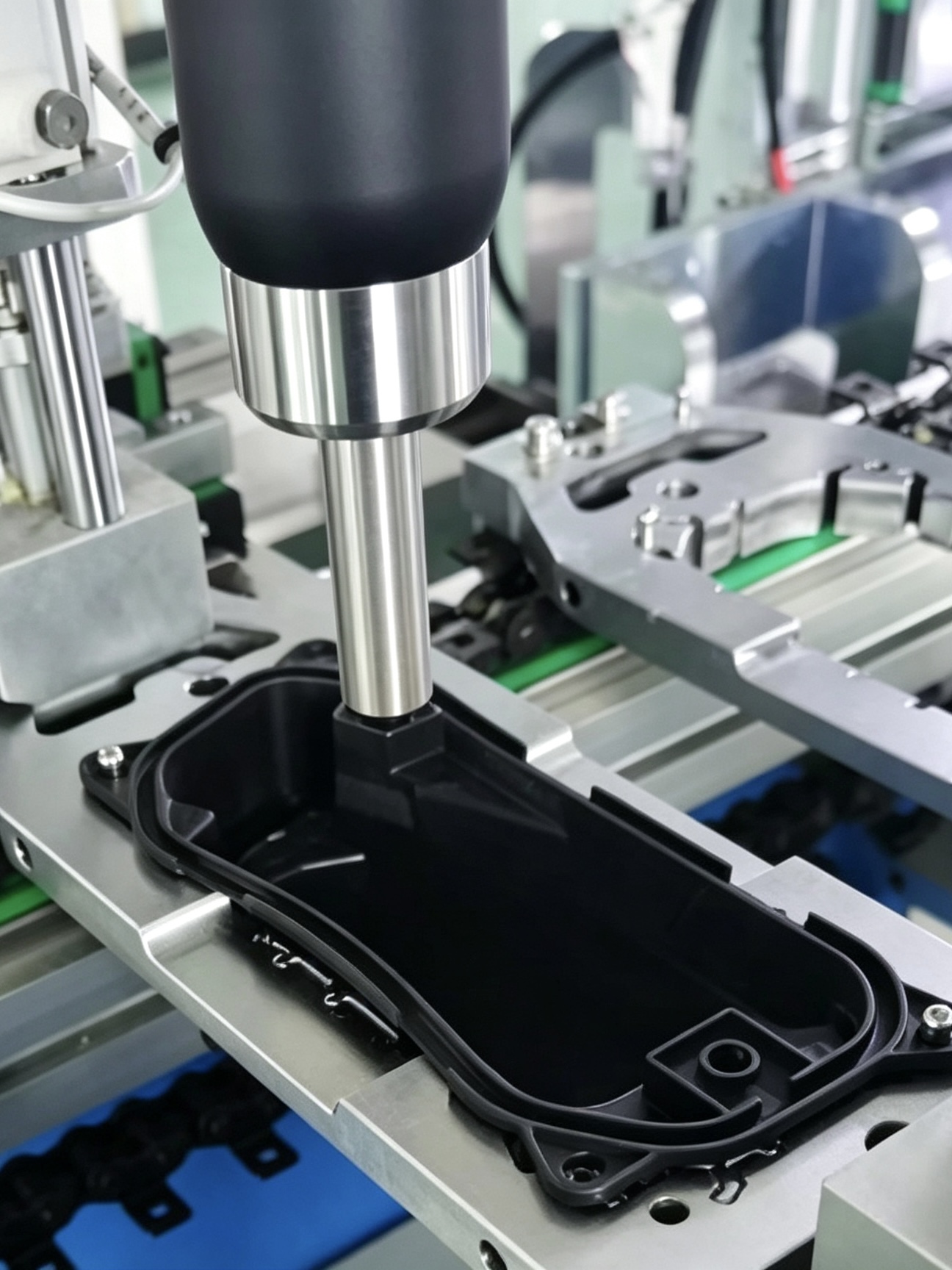
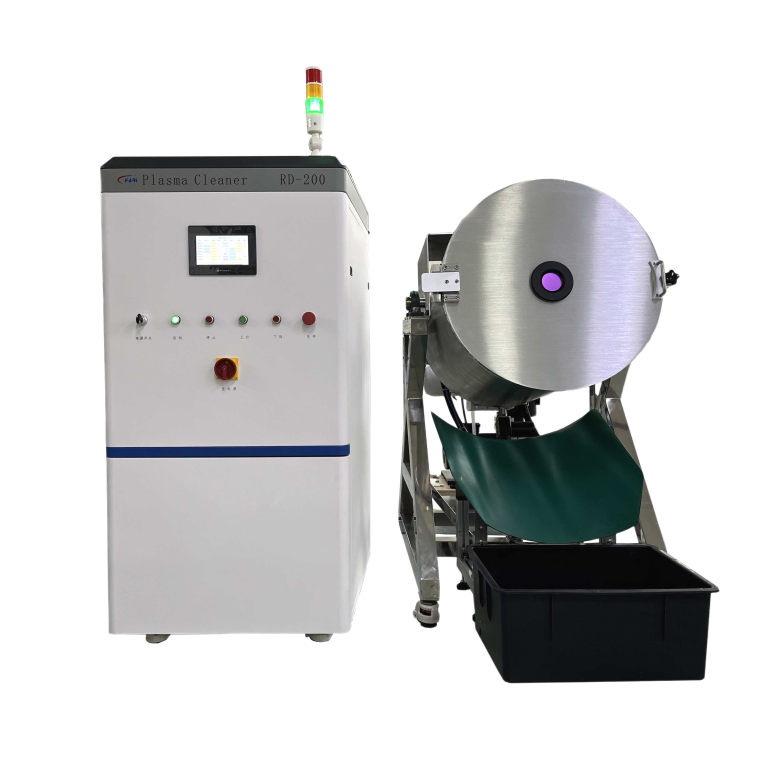
Review inline integration requirements and the available plasma treatment equipment when planning an automation concept.
Record power, gas, nozzle type, standoff distance, speed, number of passes, treatment width and the maximum delay before adhesive application. Thin-wall parts need thermal monitoring. Curved parts and deep grooves need an accessibility study; a flat coupon result does not prove coverage around a bumper or housing.
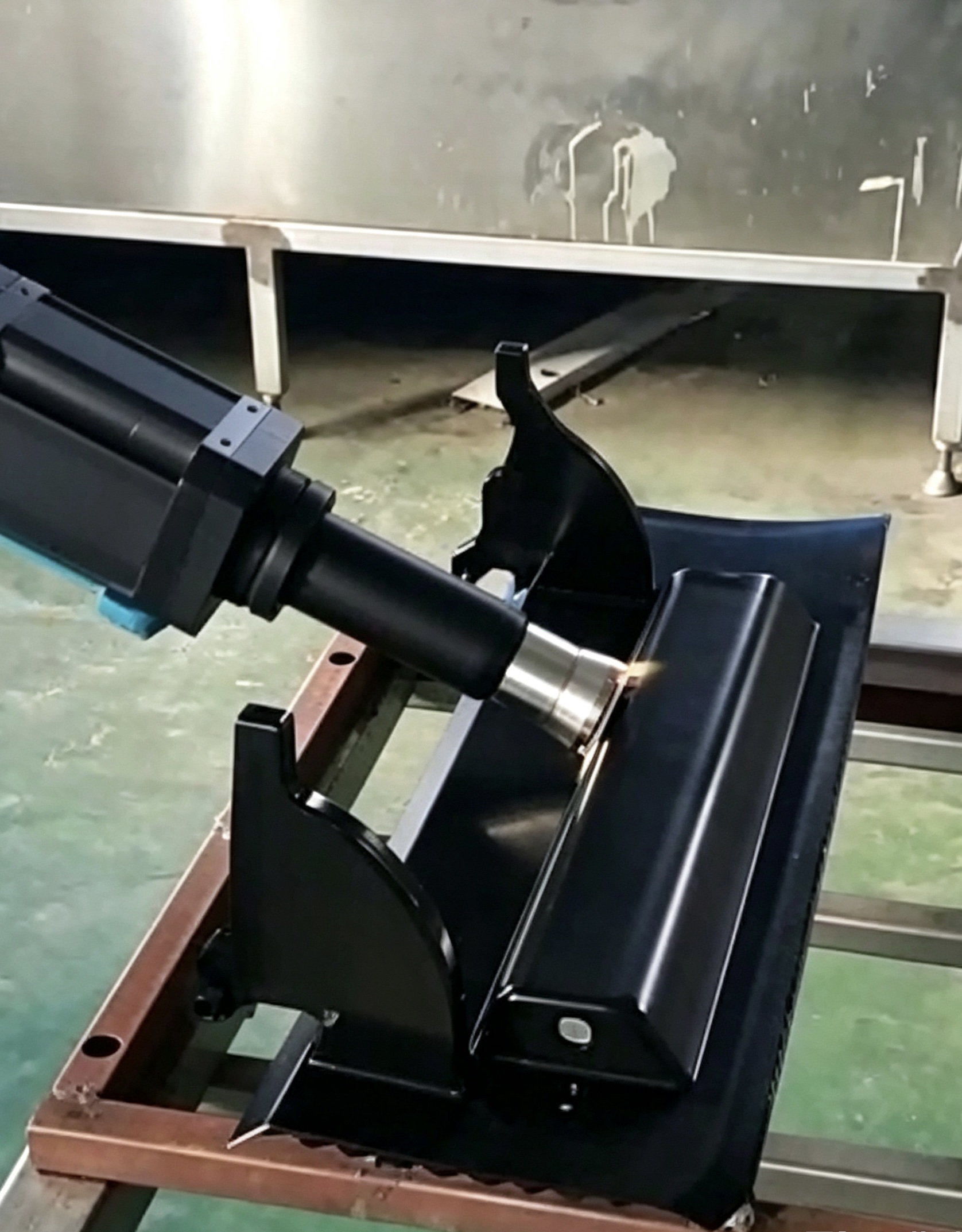
Surface activation can decay and contamination can migrate from the bulk or fixture. Many lines therefore treat immediately before dispensing. Establish the actual working window using the production adhesive, cure schedule and environmental aging.
Use untreated controls and several doses. Test contact angle or dyne level as a screen, then run lap shear, peel, wedge or component-level tests as appropriate. Include humidity, thermal cycling, fluids, vibration and long-term aging. A high surface-energy reading cannot compensate for an incompatible adhesive, internal mold-release migration, poor joint design or incomplete cure.
PP and PE are common candidates, while ABS, PC, POM and filled grades need their own recipe. Additives and molding history can change the response.
Excessive dose, a short standoff or slow motion can create visible or thermal damage. Qualify the lowest dose that meets the bond requirement and inspect appearance and dimensions.
As soon as practical. The maximum delay is material- and environment-specific, so measure it with the production adhesive instead of assuming a fixed 30- or 120-minute rule.
Yes, localized atmospheric treatment is often used to follow a bead path or tape footprint. Edge effects and robot repeatability must be checked.
FARI Plasma can evaluate your resin, surface finish, adhesive, part geometry and takt time, then recommend a nozzle and fixture concept. Browse plasma treatment applications or contact us with sample parts and your durability test plan.



English

Spanish
Rogatus ad ultimum admissusque in consistorium ambage nulla praegressa inconsiderate