
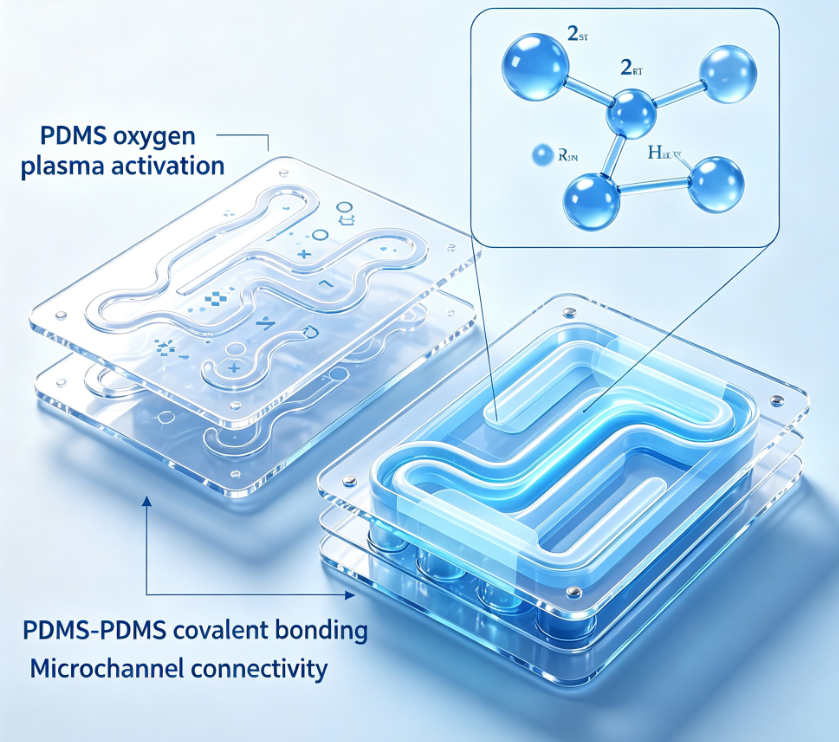
Plasma bonding is the use of plasma-generated surface activation to join two materials directly, at the molecular level, without adhesives, primers, or solvents. Engineers reach for it in medical microfluidics, silicon wafer bonding, silicone/elastomer device assembly, and anywhere an adhesive layer would add unwanted mass, outgassing, or a failure point.
Plasma bonding is often confused with plasma treatment for adhesive bonding, but the two solve different problems. In plasma-assisted adhesive bonding, plasma prepares a surface so an adhesive, ink, or coating sticks better — a third material still sits between the two parts. In true plasma bonding, plasma activates both mating surfaces so they bond directly to each other, with nothing in between.
A process that still relies on glue, tape, or a primer coat, aiming for a stronger bond rather than eliminating the adhesive, is running plasma surface activation — a distinction worth getting right before choosing a process gas or equipment.
Direct bonding happens because plasma changes a surface in a few connected steps; skipping any one is usually why a joint doesn’t hold.
Cleaning. Plasma strips organic residues, mold-release agents, and thin oxide layers that would otherwise sit between two surfaces and block intimate contact, at a scale solvent wiping can’t reach.
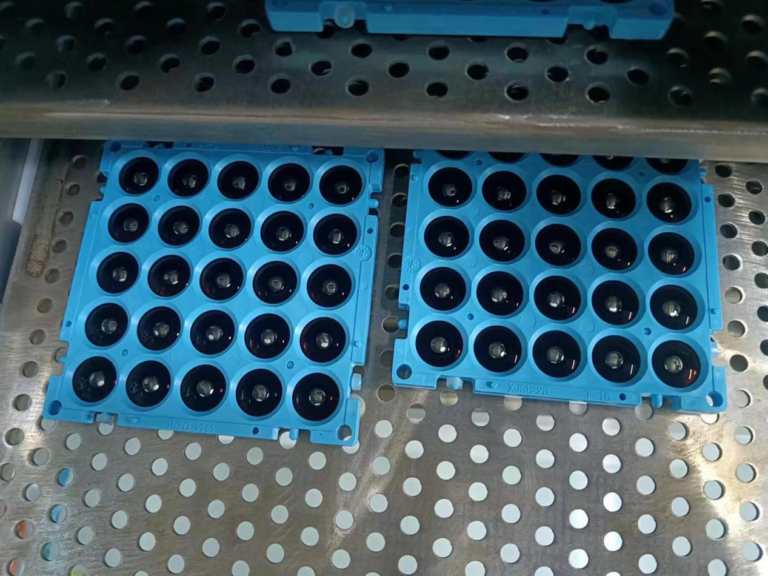
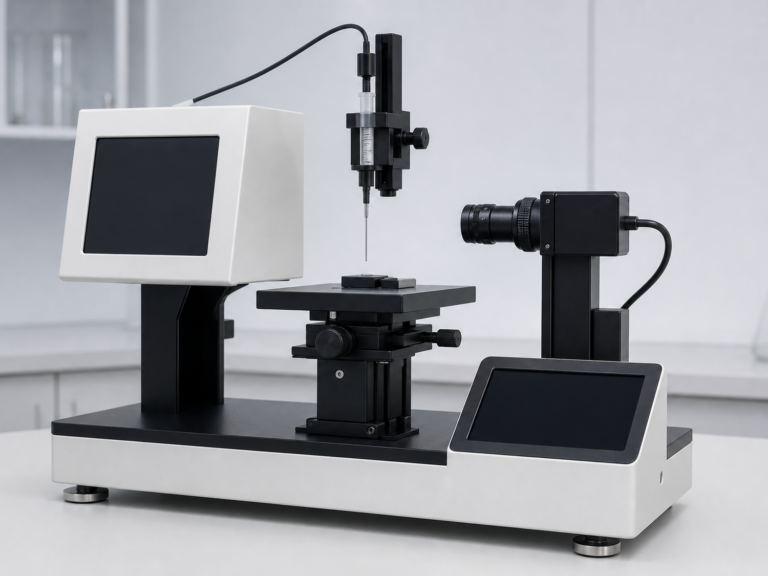
Activation. Ion bombardment and reactive species raise a surface’s energy, which is why treated parts wet out instead of beading liquid. In FARI’s application lab, oxygen plasma exposure on PDMS at roughly 50–300 W for 30–120 seconds typically drops the water contact angle from about 105° to under 10°, confirming the surface is ready to bond.
Functionalization. Plasma also deposits reactive chemical groups — hydroxyl, carbonyl, or amine, depending on the process gas — that are chemically primed to react with a matching surface rather than sit inert.
Bond formation. When two freshly activated surfaces touch, their reactive groups bond directly — covalent, hydrogen, or van der Waals, depending on the materials. Glass-to-glass and PDMS-to-glass bonding rely on silanol groups condensing into siloxane bonds, the mechanism detailed for microfluidic assembly in PDMS Bonding with Oxygen Plasma: A Practical Guide.
Cure. Many direct-bonding processes finish with clamping pressure and a low-temperature bake — PDMS-to-glass bonds are commonly baked at 70–80°C for 1–2 hours — to drive the condensation reaction further and strengthen the joint.
These three approaches join two parts through different mechanisms, trading strength against reversibility in different ways.
| Factor | Plasma Bonding | Adhesive Bonding | Mechanical Fastening |
|---|---|---|---|
| Bond basis | Direct molecular/chemical bonds between the two surfaces | A third material (glue, tape, primer) links both surfaces | Physical force (screws, clips, welds, press-fits) |
| Added mass/thickness | None | Adds a glue line or coating layer | Adds hardware or a joint feature |
| Reversibility | Generally permanent once bonded | Sometimes reversible | Often reversible/serviceable |
| Process speed | Fast activation, but bonding must happen within a time-sensitive window | Slower cure/dry times for many adhesives | Fast, but requires part design for the fastener |
| Typical use cases | Microfluidics, wafer bonding, elastomer-to-glass devices | General assembly needing a gap-filling or flexible joint | Structural assemblies needing disassembly or high load |
Poor wet-out, delamination, or inconsistent peel results on an adhesive joint usually trace back to insufficient dose or timing — the same issues Adhesive Bonding Failure & Plasma Fix diagnoses material by material, whether the fix is direct bonding or stronger adhesive adhesion.
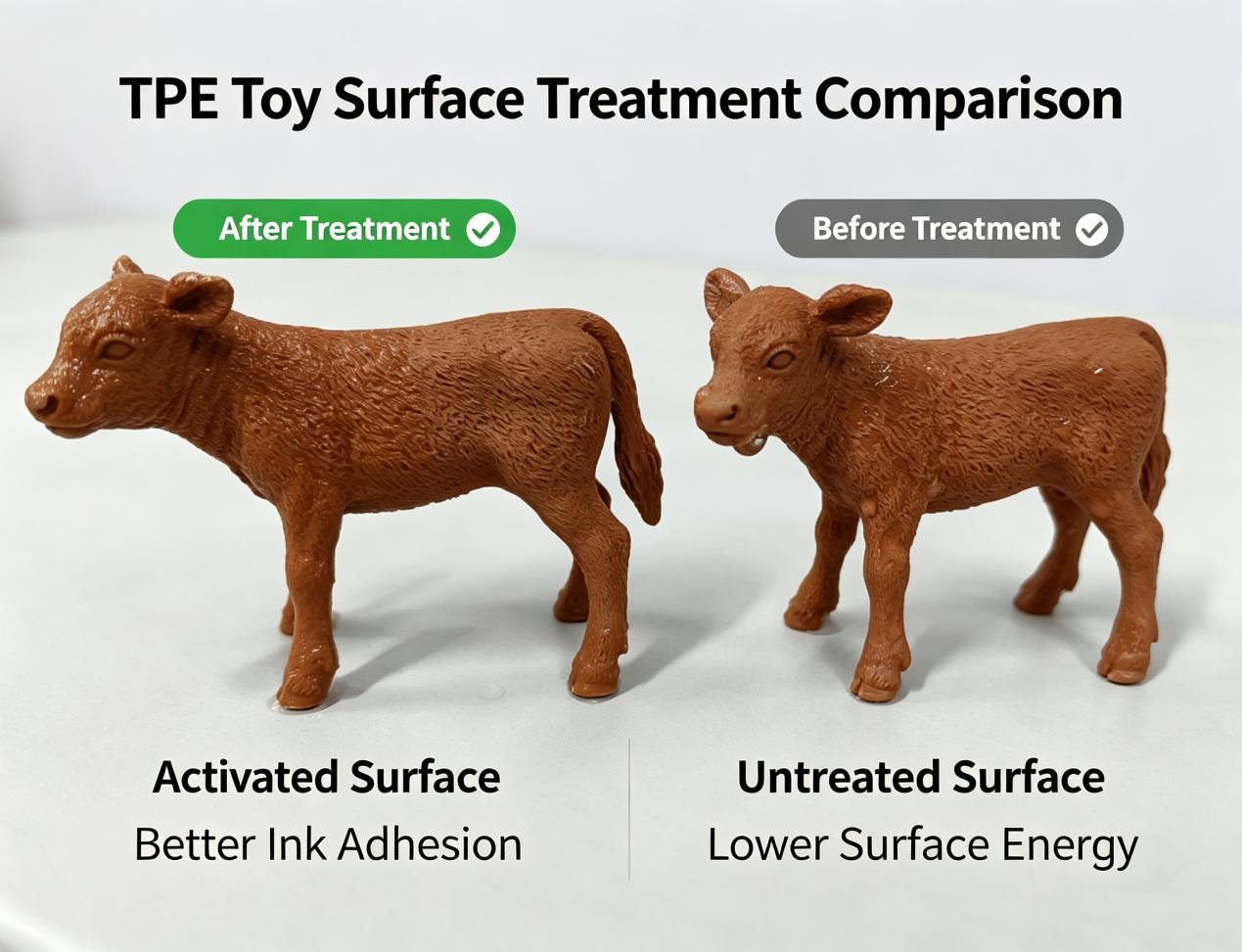
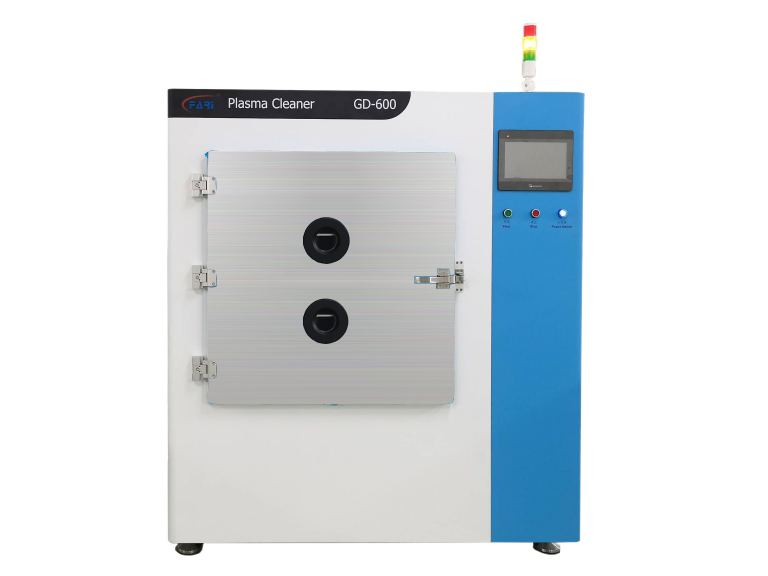
Direct plasma bonding shows up most in medical microfluidics, wafer-level packaging, and elastomer-to-rigid-substrate assembly — anywhere an adhesive’s mass, outgassing, or cure time would get in the way. Equipment choice comes down to part size and batch versus continuous production: vacuum plasma suits precision parts like wafers or microfluidic chips because a sealed chamber gives uniform activation, while atmospheric plasma suits larger parts moving through a production line. Browse plasma options to compare vacuum and atmospheric systems, or contact FARI Plasma if the material or part geometry needs a custom fixture or gas configuration.
What is plasma bonding used for?
Plasma bonding joins two surfaces directly, without adhesive, in applications such as microfluidic devices, silicon wafer bonding, and elastomer-to-glass or elastomer-to-elastomer assemblies where an adhesive layer would interfere with fluid paths, optical performance, or reliability.
How does plasma treatment improve bonding strength?
Plasma removes surface contamination, raises surface energy so mating surfaces wet out fully, and deposits reactive chemical groups on the surface. Two activated surfaces then form direct molecular bonds — covalent, hydrogen, or van der Waals depending on the material.
Can plasma bonding fully replace adhesives?
For some pairs — glass, silicon, and PDMS — plasma-assisted bonding forms a true adhesive-free joint. For thermoplastics like PP, TPE, and PE, plasma typically still needs an adhesive afterward; activation makes the surface more receptive rather than eliminating the adhesive.
What materials can be plasma-bonded?
Glass, silicon wafers, and PDMS or other silicone elastomers bond directly after plasma activation. Thermoplastics such as PP, TPE, and PE activate well but usually still need an adhesive. Some metals can bond too, though results vary with the alloy’s oxide layer.
Is plasma bonding permanent?
Direct plasma bonds are generally intended to be permanent once formed, since the joint relies on molecular-level chemical bonds rather than a removable adhesive layer. Actual durability still depends on the materials involved and how the bond was formed and cured.
How long does a plasma-activated surface stay bondable before it loses effectiveness?
It varies by material. Activated PDMS loses reactivity fast and generally needs bonding within about 5–30 minutes. Activated PP and PE decay more slowly and often stay bondable for hours to a few days, though bonding sooner gives more reliable results.
What’s the difference between plasma bonding and plasma welding?
Plasma bonding forms a molecular-level chemical bond between two surfaces without melting them. Plasma welding is an unrelated thermal process that uses a plasma arc to melt and fuse metal at a joint — the two processes share a name but nothing else.
Does plasma bonding work on metals?
It can, but success depends heavily on the metal’s native oxide layer and surface chemistry, which vary by alloy. Metal bonding is less predictable than glass, silicon, or elastomer bonding and usually needs process validation for the specific material.
What equipment is needed for plasma bonding?
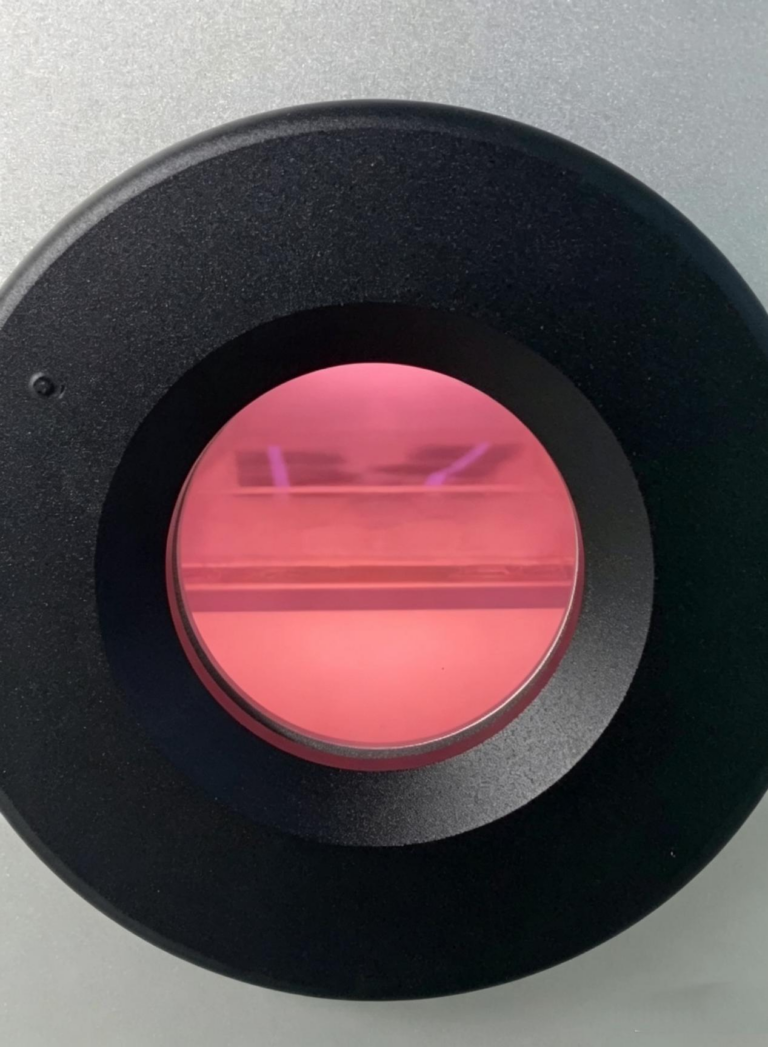
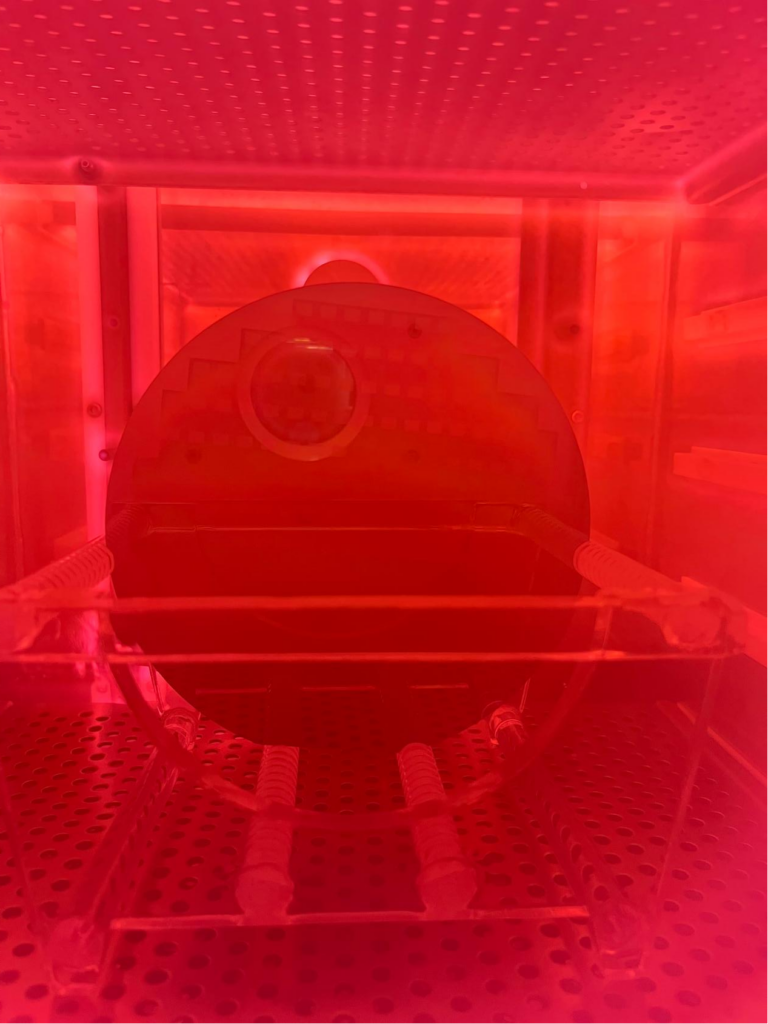
A plasma system capable of generating stable, controllable plasma at the right power and gas flow for the material — either a sealed vacuum chamber for precision parts or an inline atmospheric system for larger, production-scale parts, depending on part size and batch needs.
Is plasma bonding the same as plasma surface activation?
They’re related but not identical. Plasma surface activation is the general treatment step that raises surface energy and adds reactive groups. Plasma bonding is what happens when two activated surfaces are brought together and bond directly instead of being joined with an adhesive.
—
Whether a bond is failing intermittently or a new adhesive-free process needs validating, contact FARI Plasma to talk through the material and part geometry involved, or browse plasma options to compare vacuum and atmospheric systems directly.



English

Spanish
Rogatus ad ultimum admissusque in consistorium ambage nulla praegressa inconsiderate