
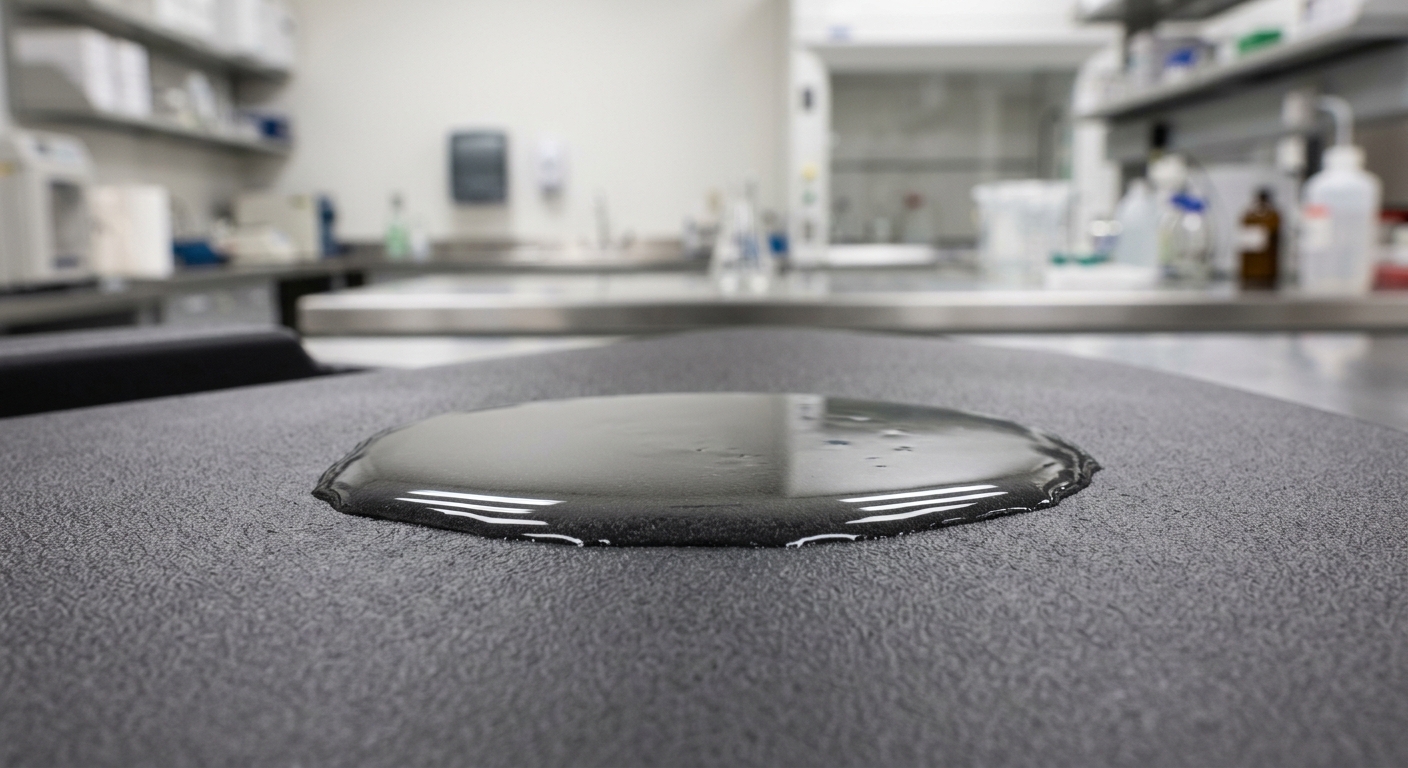
Most plastics come off the mold with a surface that actively resists whatever you try to do to it next. Adhesives peel, ink beads up and smears, paint flakes off in sheets. The reason is almost never a bad adhesive or a cheap ink — it’s the plastic itself. Polymers like polypropylene, polyethylene, and PTFE have chemically inert, low-energy surfaces that don’t want to bond with anything.
Plasma treatment fixes that at the surface level, without solvents or primers, by raising the plastic’s surface energy so adhesives, inks, and coatings can finally wet and grip it.
Every material has a surface energy, measured in dynes per centimeter (dyne/cm). For a liquid — adhesive, ink, or coating — to spread out and wet a surface instead of beading up, the substrate’s surface energy generally needs to exceed the liquid’s surface tension by roughly 7–10 dyne/cm. Most inks, paints, and adhesives have surface tensions in the 30–45 dyne/cm range, which means the substrate needs to sit meaningfully above that — often 40–50+ dyne/cm — for reliable wetting.
Untreated polypropylene sits around 29–31 dyne/cm. Polyethylene is similar. PTFE, the worst offender, drops to roughly 18–20 dyne/cm — among the lowest of any solid material. Every one of these values sits well below the surface tension of common adhesives and inks, which is exactly why untreated plastic beads liquid instead of wetting it. Run a contact-angle test — the standard method for wetting tension on polyolefin films is described in ASTM D2578 — and the problem shows up immediately: water on untreated PP or PTFE forms a contact angle well above 90°, the rough threshold where a surface is considered non-wetting.
This isn’t a coating defect or a cleanliness issue you can wipe away. It’s the polymer’s own molecular structure — long, non-polar hydrocarbon chains with no reactive sites for an adhesive or ink to grab onto. Cleaning removes dust and oil; it does nothing to raise surface energy. That’s the gap plasma treatment closes.
Plasma is a partially ionized gas — a mix of free electrons, ions, and excited neutral molecules, along with UV photons generated as the gas is energized. When this stream contacts a plastic surface, those energetic species collide with the polymer’s outermost molecular layers. Gas selection changes exactly which functional groups form on the surface — nitrogen, oxygen, and argon each leave different surface chemistry behind, as detailed in plasma surface activation.
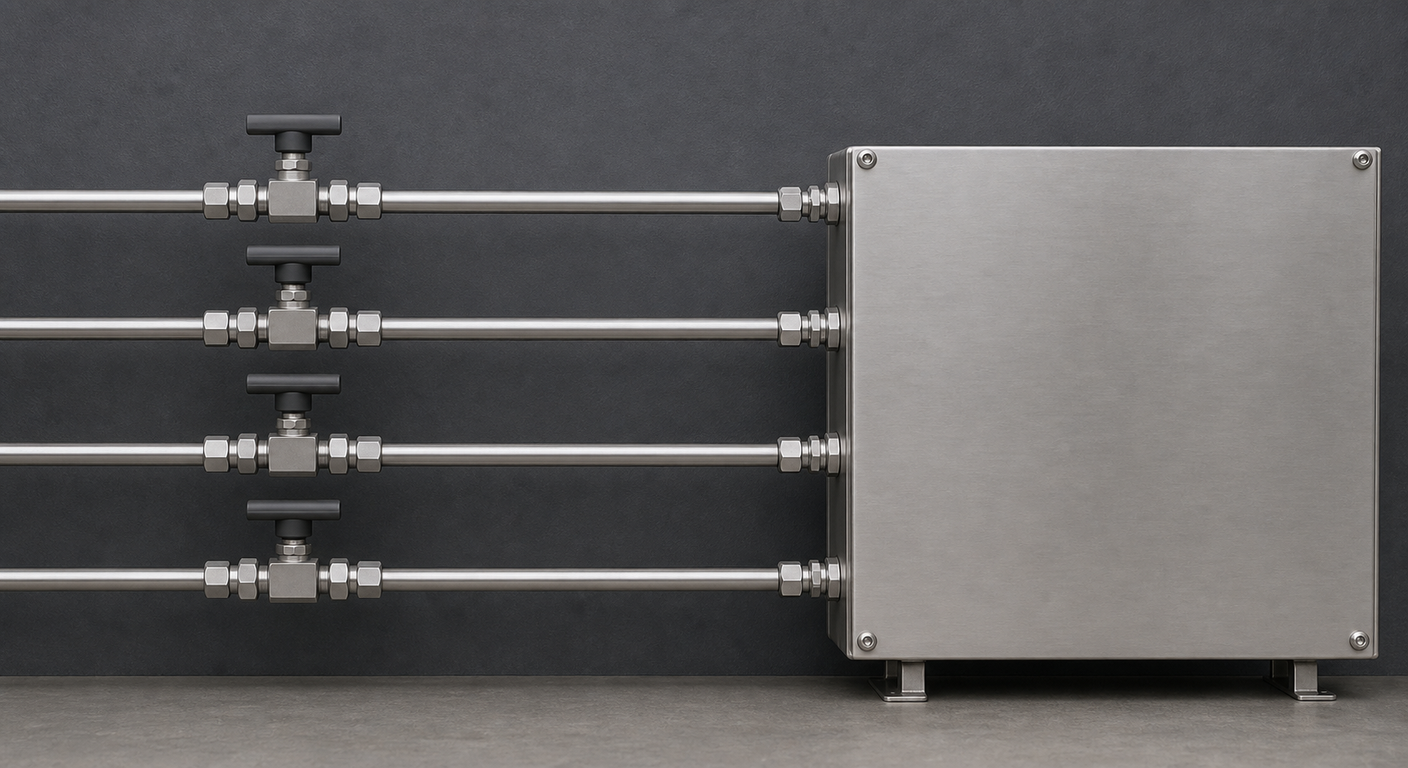
Three things happen simultaneously, and all three matter for a manufacturing process:
The net effect is measurable: a typical plasma exposure raises PP’s surface energy from roughly 30 dyne/cm to the 50–55 dyne/cm range, dropping the water contact angle from over 90° to under 40° — a swing large enough to move a surface from non-wetting to fully wettable.
Plasma surface treatment on plastics converts into four concrete, plant-floor outcomes. Each one traces directly back to the surface energy increase described above.
Higher surface energy means the adhesive wets the surface fully instead of sitting on top of it, so the bond forms across the entire contact area rather than a few high points. Bonded joints between dissimilar materials — a plastic housing anchored to a metal bracket, or a plastic gasket sealed against a rigid frame — need that full-area wetting to survive vibration, temperature cycling, and repeated flexing. When bonds on plastic parts fail in the field, the surface energy gap is usually the real cause, not the adhesive chemistry — see adhesive bonding failure and the plasma fix.
Untreated plastic parts often fail simple adhesion tests within days of printing — ink cracks, rubs off, or delaminates during handling. Raising surface energy before printing lets ink anchor into the newly functionalized surface instead of resting on an inert film. Soft, low-energy substrates run into this problem constantly, which is why activation before decoration is standard practice in PP Toy Plasma Treatment for Better Printing & Bonding and TPE Toy Plasma Treatment for Better Printing and Bonding.
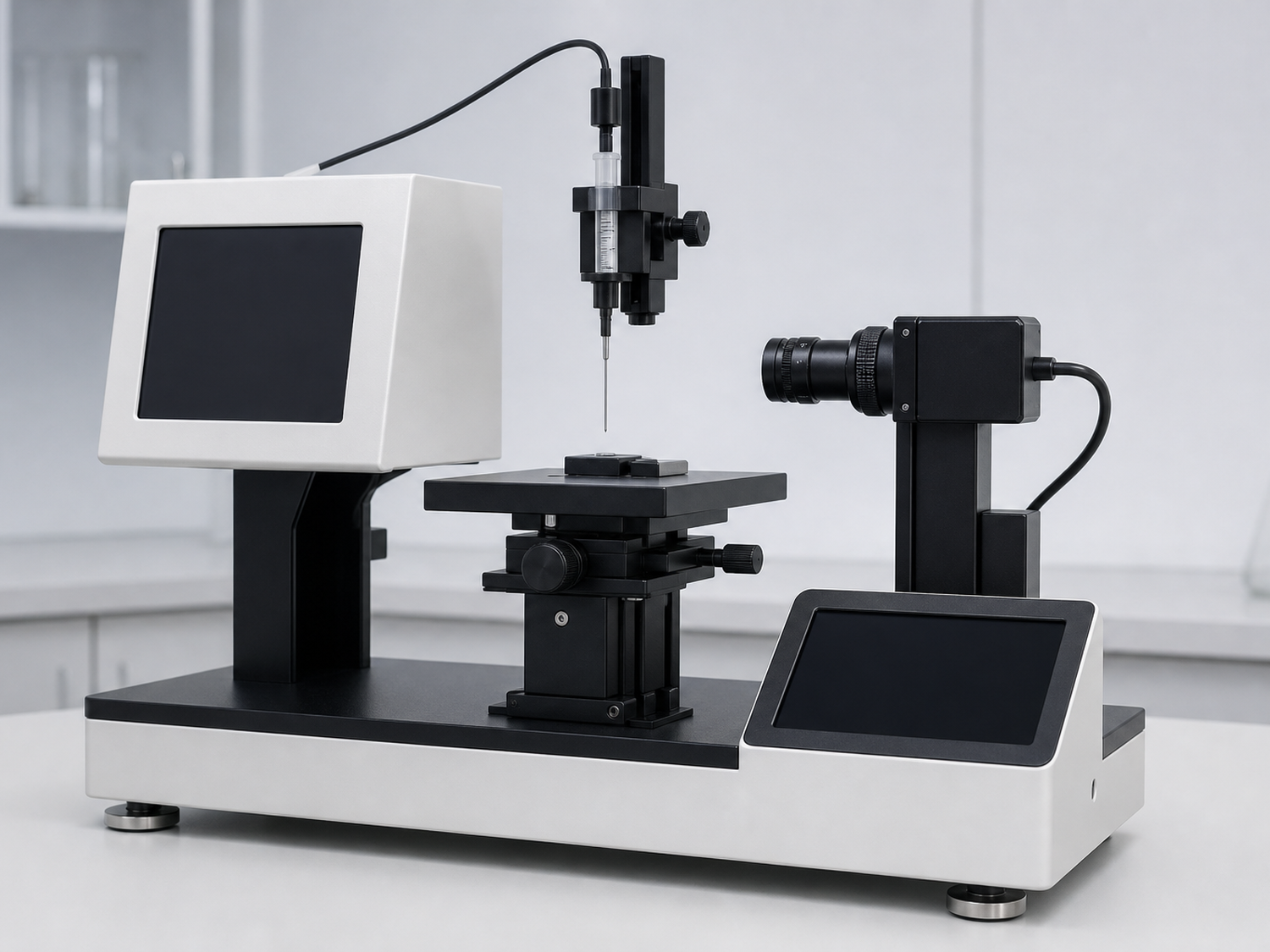
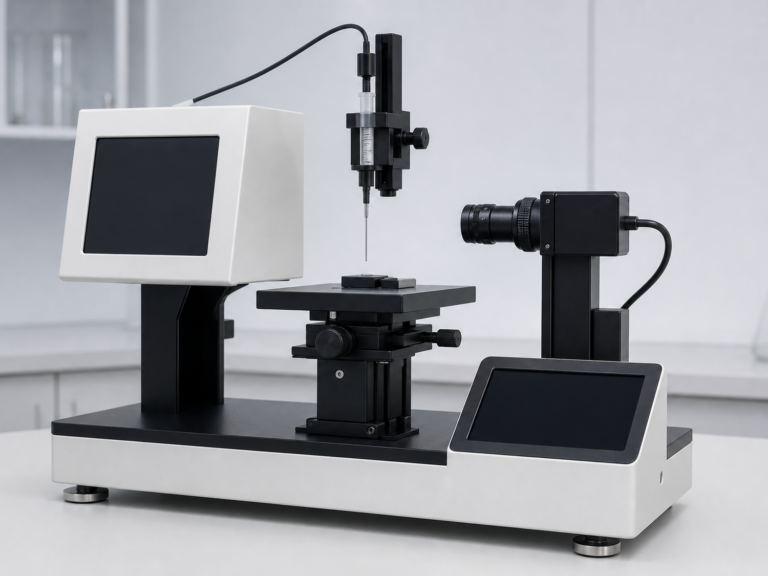
Wettability is the measurable proxy for all of the above. Contact angle measurement after plasma treatment is the standard verification step manufacturers use to confirm surface energy before committing to a production run — see contact angle measurement after plasma treatment. A part showing a contact angle under 60–70° is generally ready for bonding, printing, or coating; anything higher signals the exposure needs adjustment.
Because plasma treatment also densifies and lightly cross-links the near-surface polymer layer, treated parts often show improved resistance to abrasion and to the solvents in the coatings or adhesives applied afterward — a secondary benefit on top of the primary adhesion gain.
Not every polymer reacts the same way, and it’s worth setting expectations before specifying a process.
| Plastic | Untreated Surface Energy | Plasma Response |
|---|---|---|
| PP (polypropylene) | ~29–31 dyne/cm | Strong, fast response — common candidate |
| PE (polyethylene) | ~31 dyne/cm | Strong response, similar to PP |
| PTFE | ~18–20 dyne/cm | Most difficult; needs higher energy/longer exposure |
| PVC | ~39 dyne/cm | Moderate baseline, treats easily |
| PC (polycarbonate) | ~42 dyne/cm | Higher baseline energy, treats readily |
| ABS | ~35–38 dyne/cm | Treats readily, common in housings/electronics |
| Silicone/rubber | Varies widely | Generally responsive, gas choice matters |
PP, PE, and PVC are the easiest wins — even a light treatment produces a large jump in wettability. PTFE requires more aggressive parameters because its fluorocarbon backbone is so chemically stable. Automotive seals, medical tubing, and packaging films made from these polymers each carry their own treatment considerations, detailed under Plasma Treatment for Plastics & Rubber.
Both process types raise surface energy the same way chemically, but they fit different plastic parts.
Atmospheric plasma runs at ambient pressure and integrates directly into a production line — no chamber, no load/unload cycle. It suits flat or simply-shaped plastic parts moving continuously, such as extruded profiles, films, or jacketed cable. Wire and cable jacketing is treated this way inline, with the substrate passing continuously under a plasma jet rather than being batch-loaded — see atmospheric plasma treatment for wire and cable.
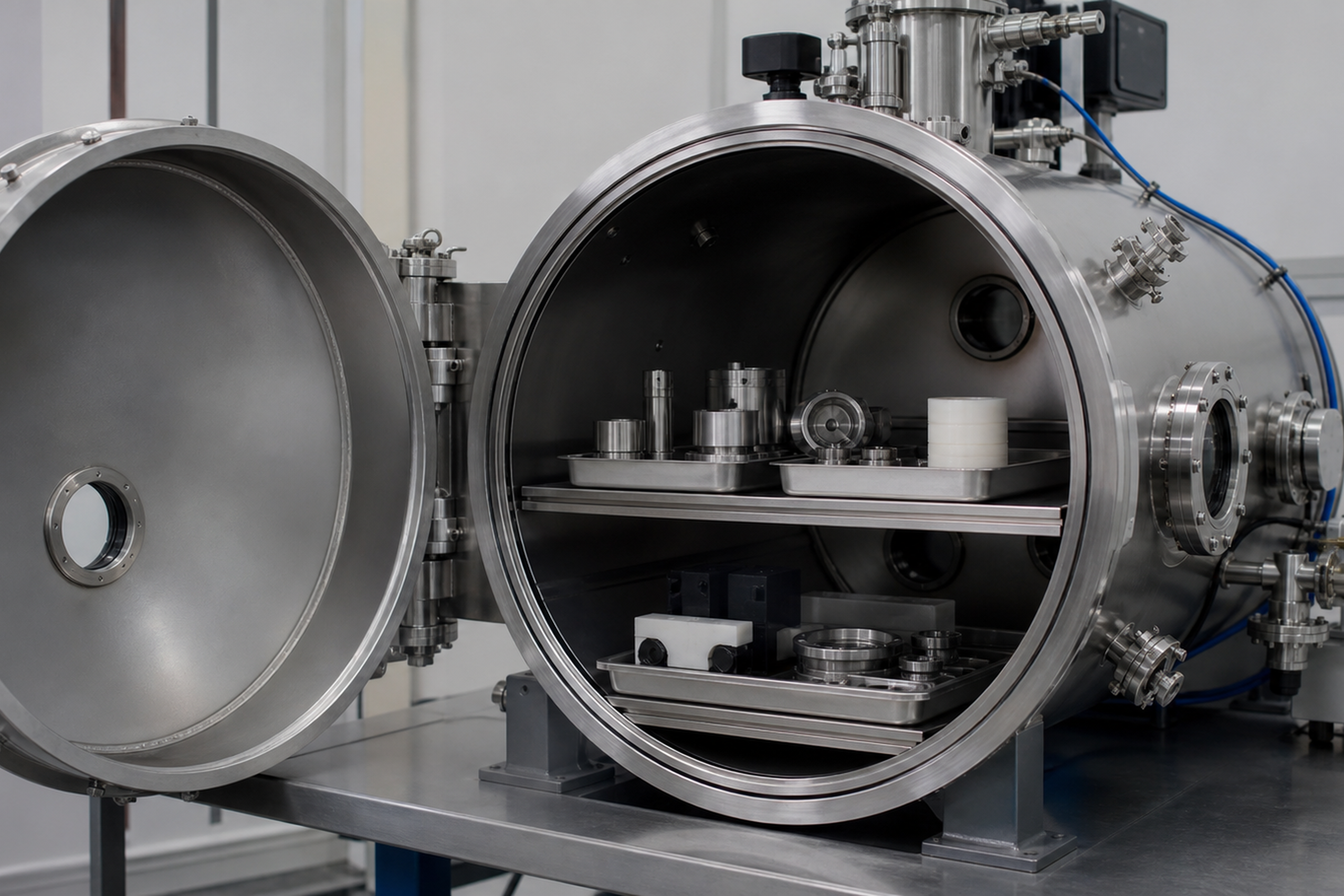
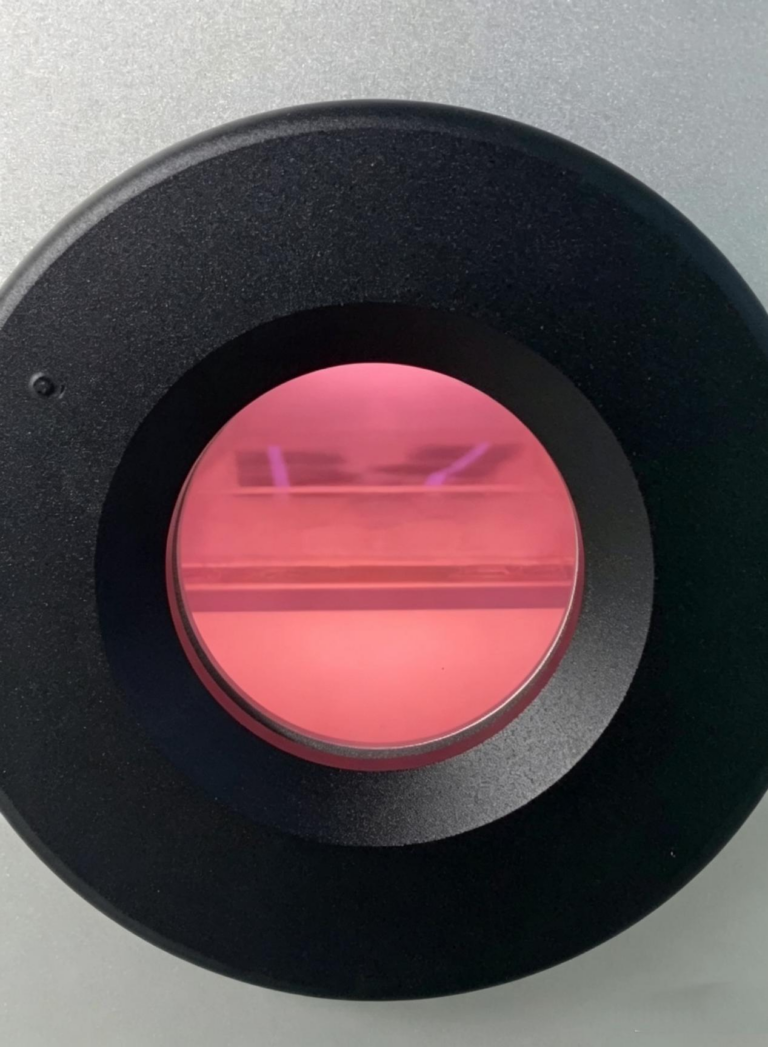
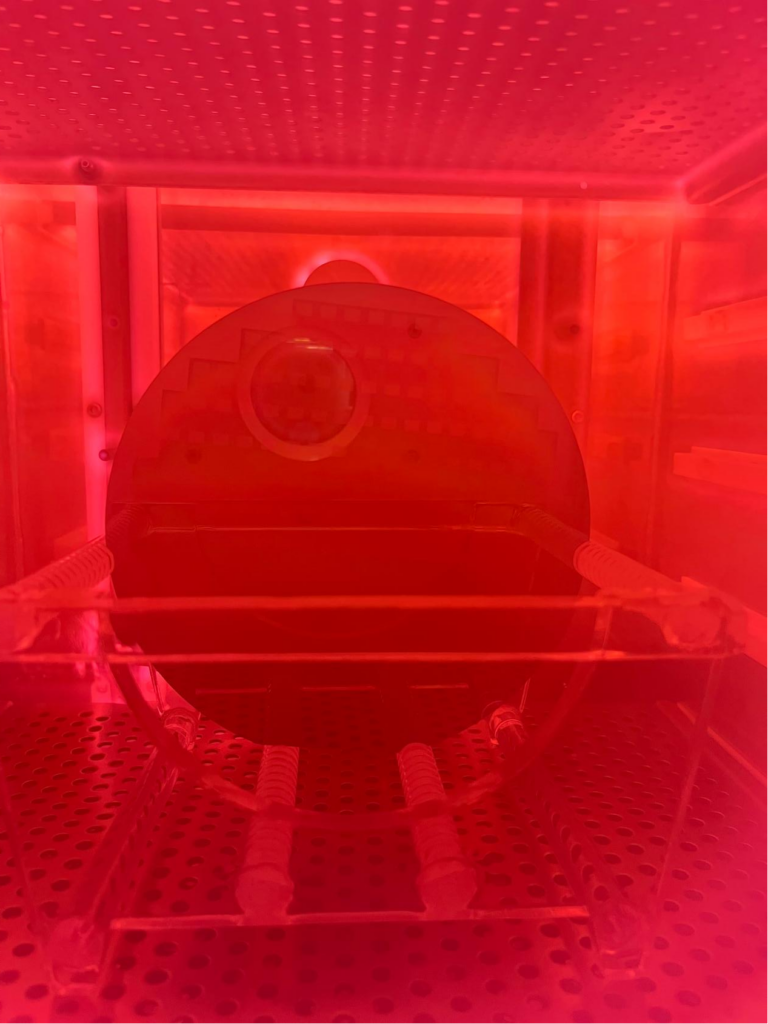
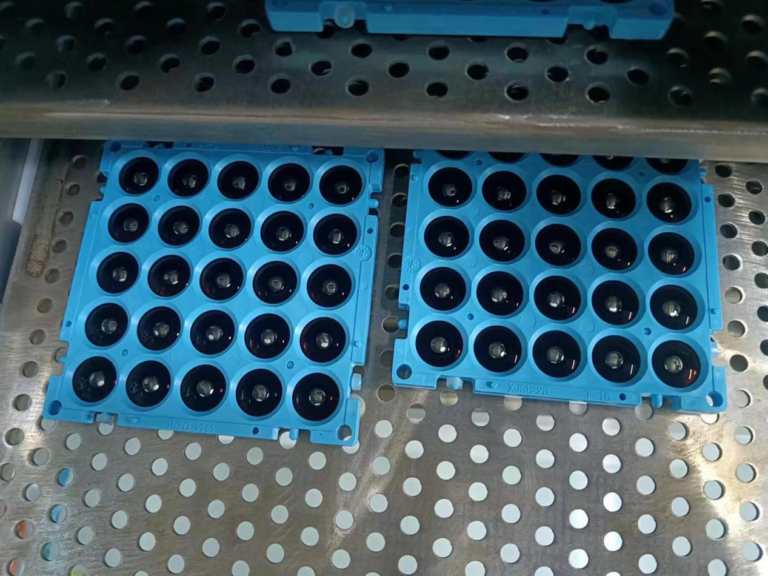
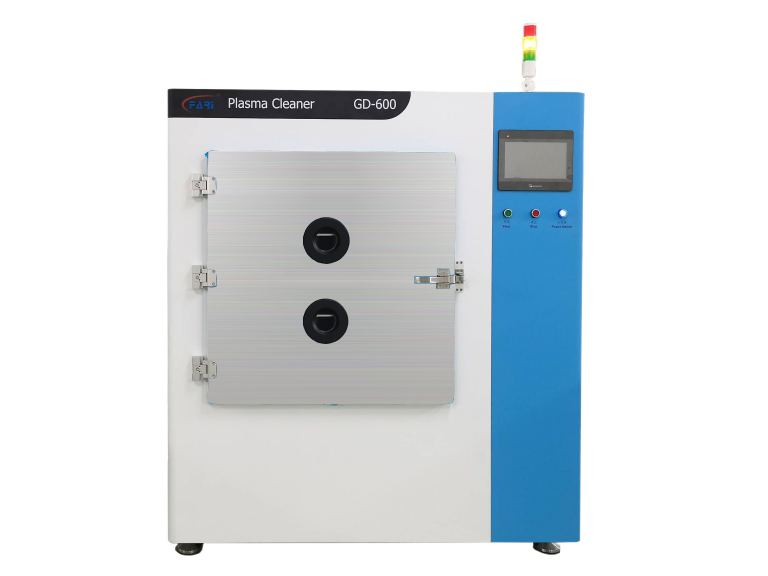
Vacuum plasma treats parts inside a sealed, evacuated chamber. It reaches into undercuts, blind holes, and complex 3D geometries that a directional atmospheric jet can’t fully cover, and it produces more uniform treatment across an entire batch of small or irregularly shaped plastic components at once. The trade-off is throughput: vacuum systems process in batches with a pump-down cycle, while atmospheric systems keep pace with a moving line but only treat what the nozzle can directly reach.
Plasma treatment doesn’t use solvents, primers, or chemical etchants, and it doesn’t generate liquid waste that needs disposal or a wastewater permit. Compared to a chemical primer or solvent-wipe pretreatment step, that’s a meaningful reduction in the chemicals handled on the plant floor and the associated storage, ventilation, and disposal requirements. It’s a qualitative advantage worth weighing, not a substitute for checking what regulatory standards apply to a specific plant or product line.
The right equipment depends on part geometry and volume more than on which plastic is involved. Flat films, cable jackets, and parts moving on a conveyor generally fit an inline atmospheric plasma system. Small, geometrically complex, or batch-produced plastic components — connectors, molded housings, medical components — usually fit a vacuum plasma cleaner better, since it treats the whole part uniformly in one cycle.
Fari Plasma builds both formats, and configurations can be adjusted for chamber size, automation interfaces, and integration with existing conveyors or robotic cells through OEM/ODM engineering rather than forcing a plastic part into a fixed catalog spec — see plasma system customization for how that engineering process works. The Low-Temperature Plasma Surface Activation system is one starting point for activation work on heat-sensitive plastic substrates.
If you’re evaluating a specific plastic part or production line, talk to our team about which configuration fits your geometry and volume.
What are the disadvantages of plasma treatment?
Vacuum systems require a pump-down cycle, which limits per-batch throughput compared to a continuous line. Atmospheric systems only treat what the nozzle directly contacts, so complex geometries may need multiple passes or a vacuum system instead. Treated surfaces also have a limited window before surface energy begins to decay, so timing to the next process step matters.
How much does a plasma cleaner cost?
Pricing depends heavily on chamber size, power configuration, and automation level, ranging from compact lab units to fully automated inline systems.
How much does a plasma fusion treatment typically cost?
Plasma fusion refers to nuclear fusion research and has no connection to plasma surface treatment for plastics. Pricing for plasma surface treatment equipment depends on the same chamber, power, and automation factors described above.
How long does plasma cleaning last?
Treated surface energy on plastics typically holds for a few hours to a few days, depending on the polymer and storage conditions — heat, humidity, and airborne contaminants all accelerate the decay. Best practice is to bond, print, or coat as soon as possible after treatment rather than storing treated parts for extended periods.
What is plasma treatment used for on plastics?
It’s used to raise a plastic’s surface energy so adhesives, inks, and coatings can wet and bond to it properly. Without this step, low-energy plastics like PP, PE, and PTFE resist bonding, printing, and coating regardless of how good the applied material is.
What types of plasma treatment are used for plastics?
The two main formats are atmospheric plasma, which runs inline at ambient pressure for continuous parts like film or cable, and vacuum plasma, which treats parts in a sealed chamber for more uniform coverage on complex geometries or batch runs.
What materials or plastics are best suited for plasma treatment?
PP, PE, and PVC respond quickly and strongly to plasma exposure because of their moderate starting surface energy. PC and ABS also treat readily. PTFE is the most resistant polymer and needs higher energy or longer exposure to achieve the same wettability gain.
Ready to match a plasma process to your plastic part? Contact us to walk through geometry, volume, and integration requirements with our engineering team.


English

Spanish
Rogatus ad ultimum admissusque in consistorium ambage nulla praegressa inconsiderate