
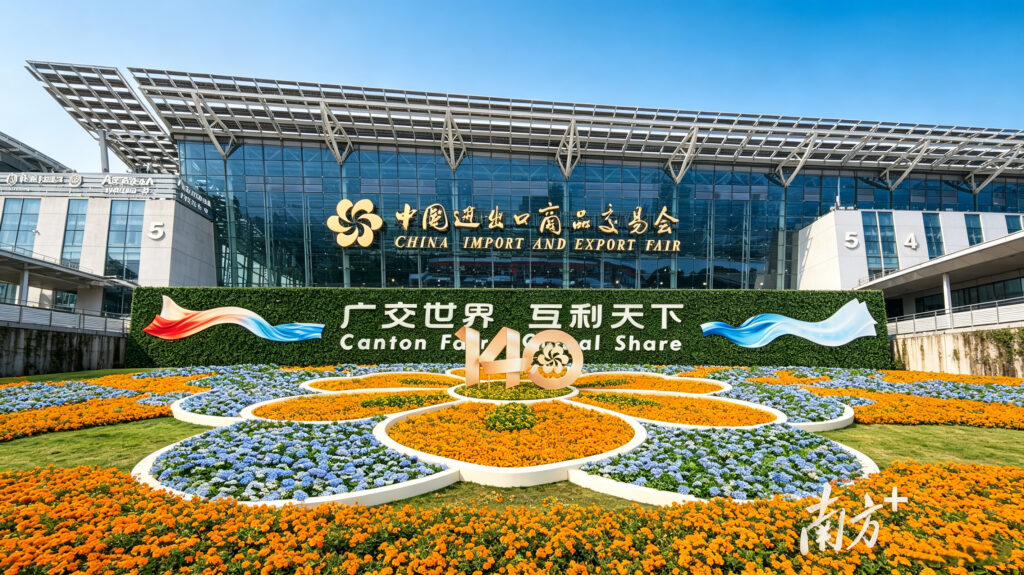
FARI Plasma recently showcased its plasma cleaning and plasma etching equipment at the 140th China Import and Export Fair, known internationally as the Canton Fair. The event brought together buyers and manufacturers from around the world and gave Shenzhen Fangrui Technology Co., Ltd. an opportunity to present practical surface-treatment solutions for semiconductor, electronics and advanced-materials production.
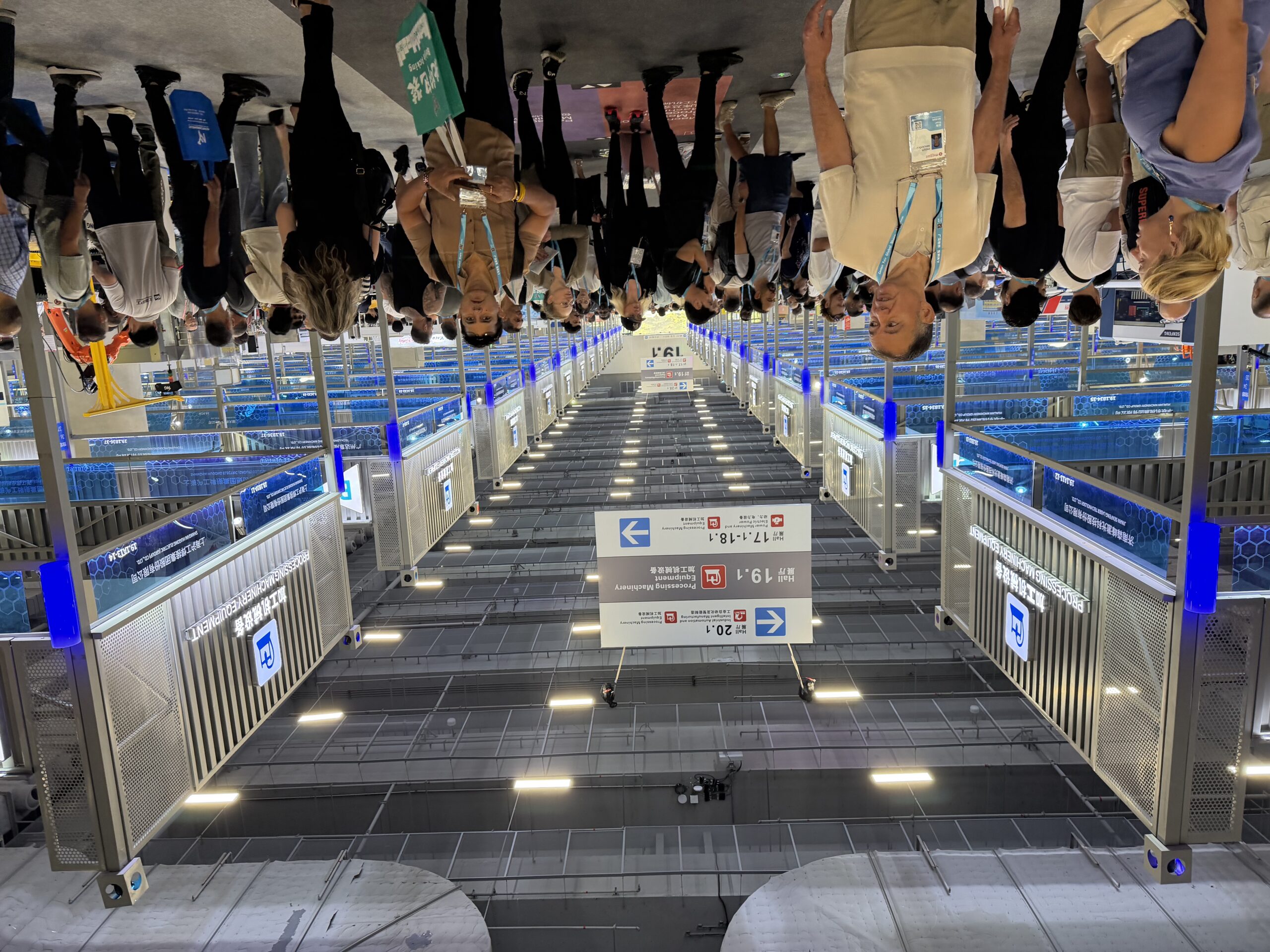
As one of the world’s best-known trade events, the Canton Fair provides a direct setting for technology companies to explain equipment capabilities, understand new production requirements and build long-term international relationships. For FARI Plasma, the 140th session was a valuable opportunity to discuss how dry plasma processes can be integrated into real production lines rather than treated as a standalone laboratory step.
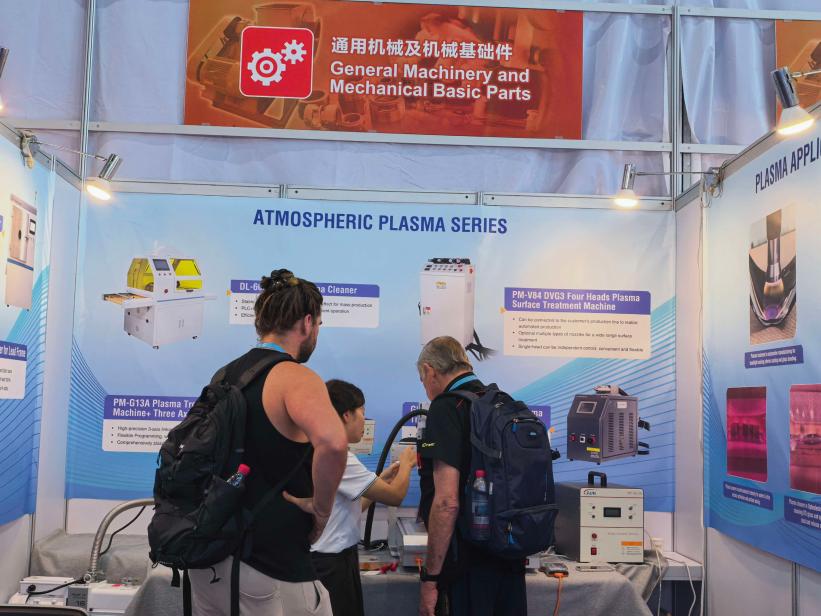
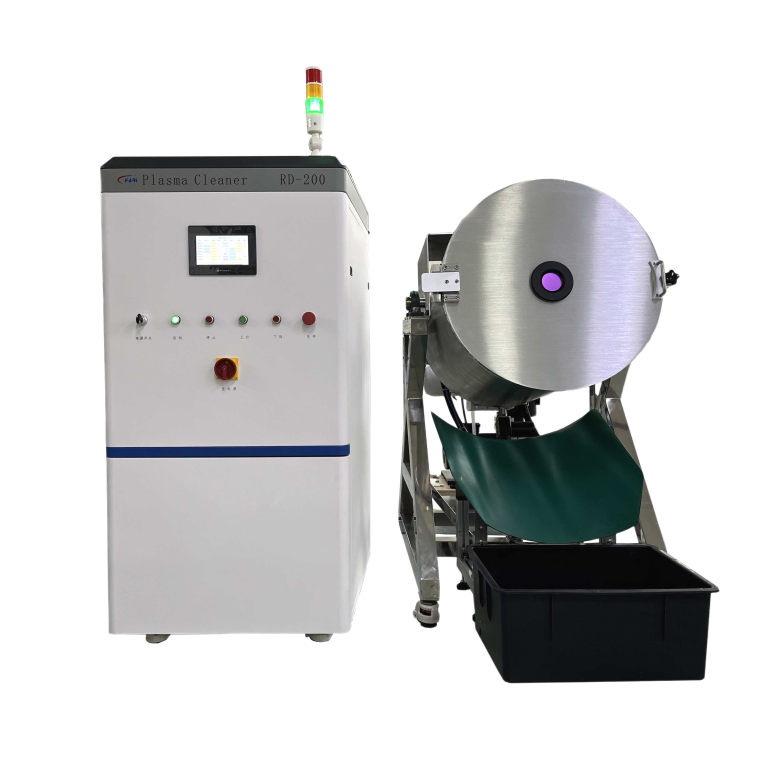
The company presented its plasma cleaning and etching equipment at the exhibition, with demonstrations and technical discussions focused on surface activation, contamination removal and controlled etching. Visitors could see how different plasma formats may support different part geometries, throughput targets and cleanliness requirements.
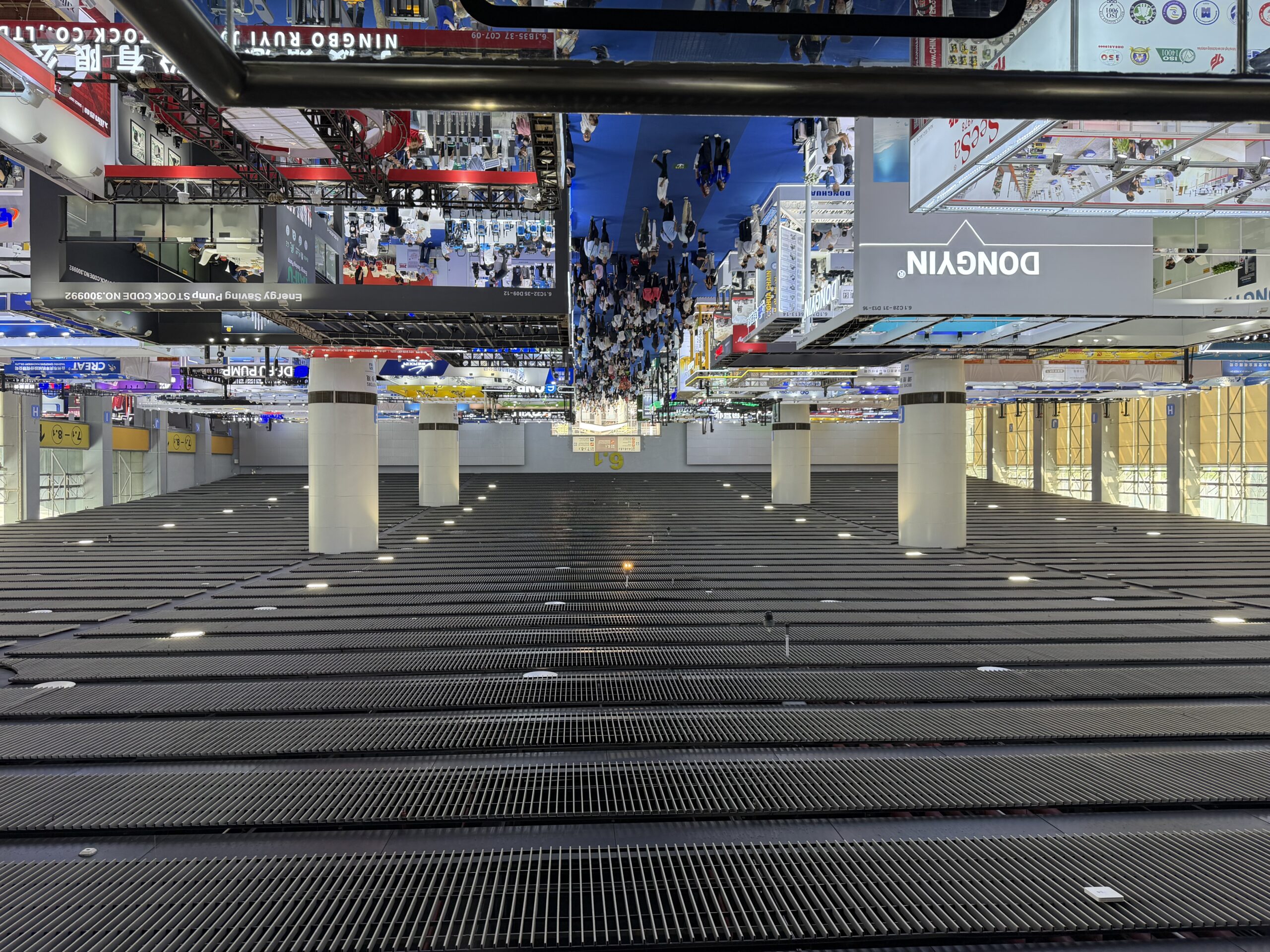
Plasma treatment uses energetic species to interact with the outermost surface of a material. Depending on the recipe, the process can remove trace organic contamination, improve wettability, introduce surface functionality or create a controlled micro-scale modification. The correct mechanism depends on the substrate and the downstream process.
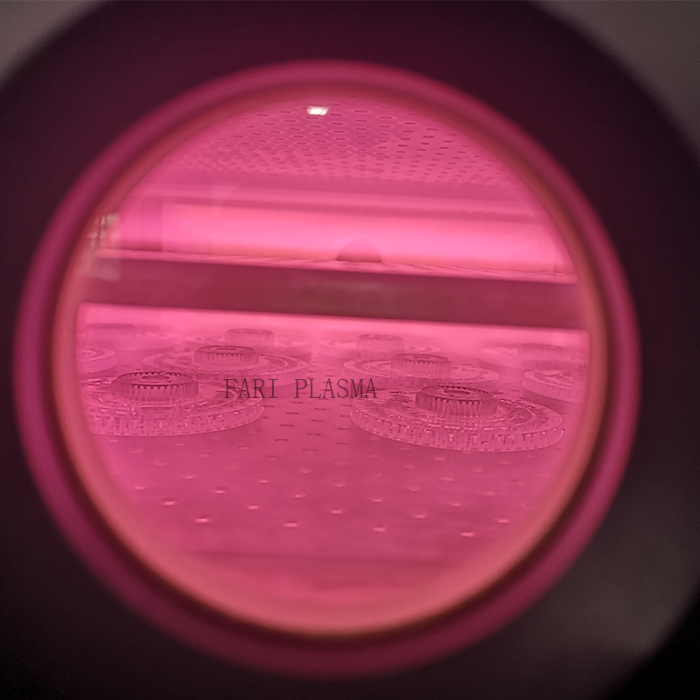
FARI Plasma’s product discussions at the fair covered atmospheric plasma systems and vacuum plasma equipment. Atmospheric systems can be considered for localized or inline treatment, while vacuum chambers can provide controlled exposure for batches, recessed features and components that require a more enclosed process environment. Our guide to atmospheric versus low-pressure plasma explains the main production-line trade-offs.
The team also discussed the difference between cleaning, activation and etching. These are not interchangeable claims: a process designed to remove organic residue may use different gas chemistry and dose from a process intended to etch a surface. The practical distinctions are summarized in our plasma cleaning, activation and etching guide.
The equipment on display was relevant to several industries that need repeatable surface preparation:
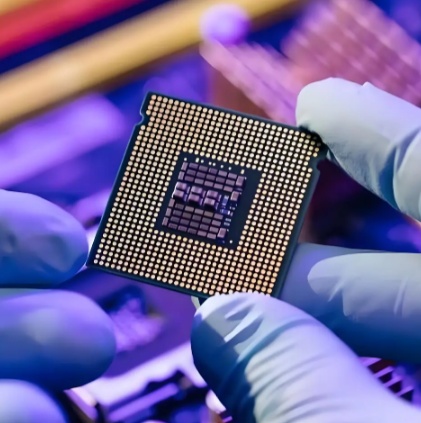
Visitors interested in semiconductor applications can also review vacuum plasma cleaning for chips and advanced packaging. For a wider view of industries and use cases, see the plasma applications overview.
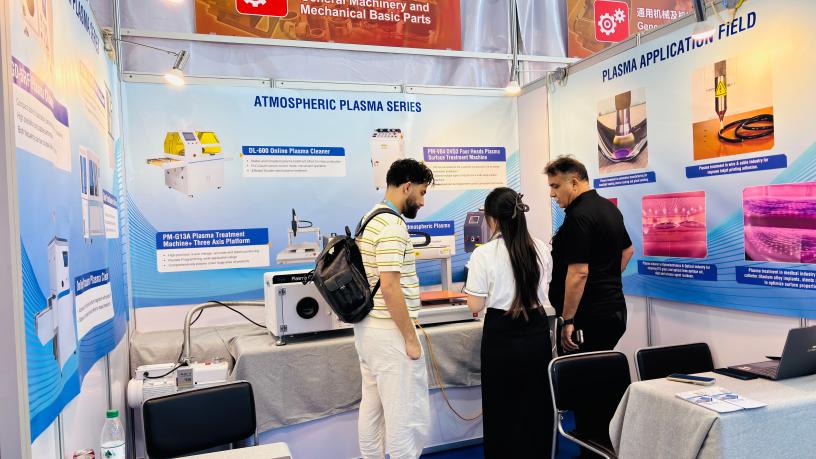
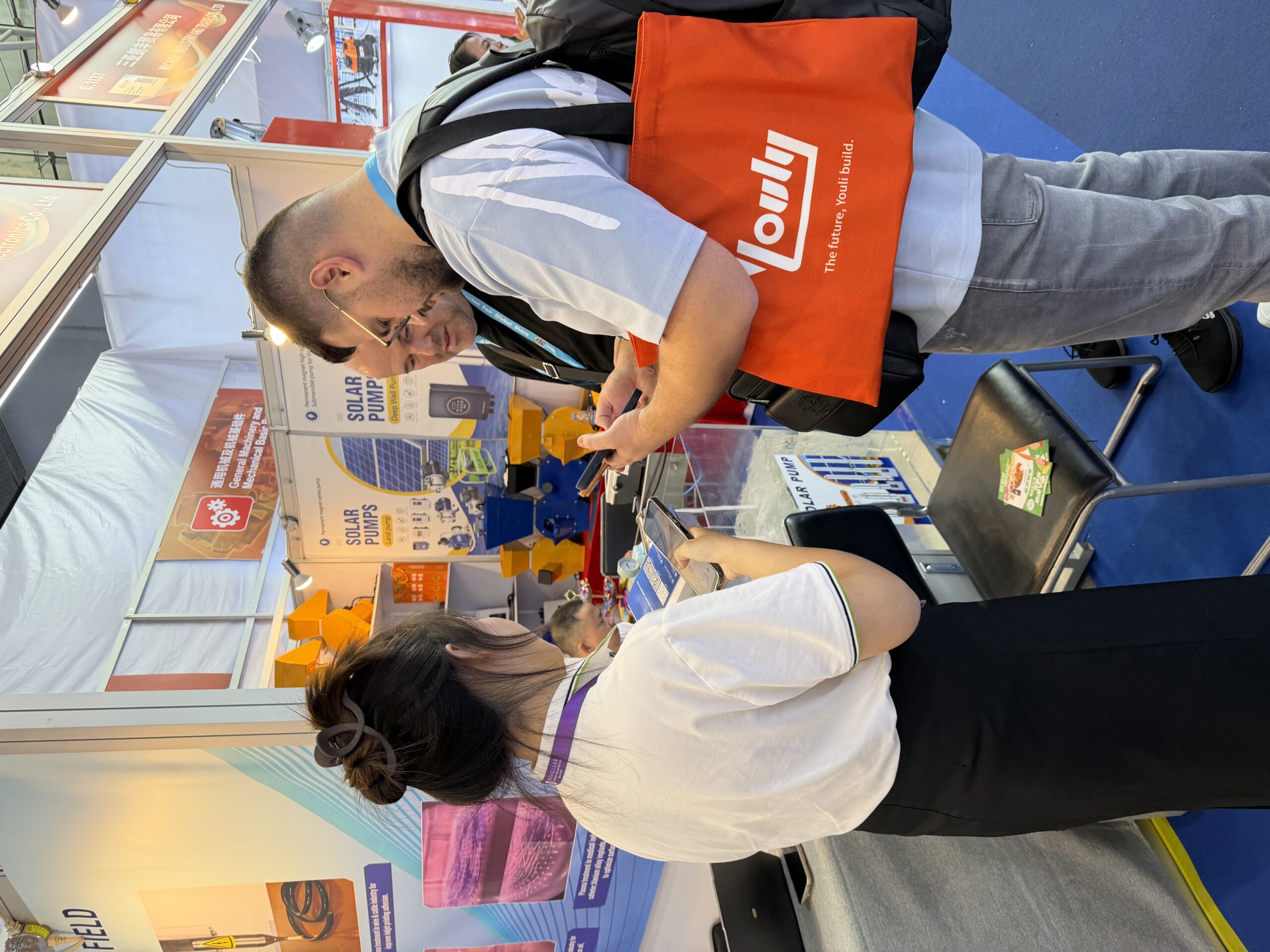
During the exhibition, buyers from Southeast Asia, Europe, the Middle East and other markets visited the booth. Discussions focused on equipment parameters, continuous-production capability, delivery schedules and after-sales support. These questions reflect the practical concerns that determine whether a surface-treatment system can move from a sample trial into stable manufacturing.
For example, a production team may need to know whether an atmospheric nozzle can follow a curved part, whether a chamber can process a batch of small components uniformly, or whether a treatment step can be synchronized with line speed. It may also need a documented process window, sample testing and a clear maintenance plan before approving an equipment purchase.
FARI Plasma’s manufacturing capabilities include equipment configuration and process support for different part geometries and production goals. A sample evaluation should still use the customer’s actual substrate, contamination, adhesive or coating and acceptance test.
A successful plasma project normally begins with a clear interface problem. The next steps are to identify the substrate and contamination, define the desired mechanism, test a range of process conditions and measure the downstream result. Contact angle or dyne level can help screen wetting, but the final test should be the real bond, coating, weld, seal or cleanliness requirement.
Our article on what plasma surface treatment actually does provides a useful starting point. For inline projects, the inline integration checklist helps teams review line space, part presentation, guarding, exhaust and process timing.
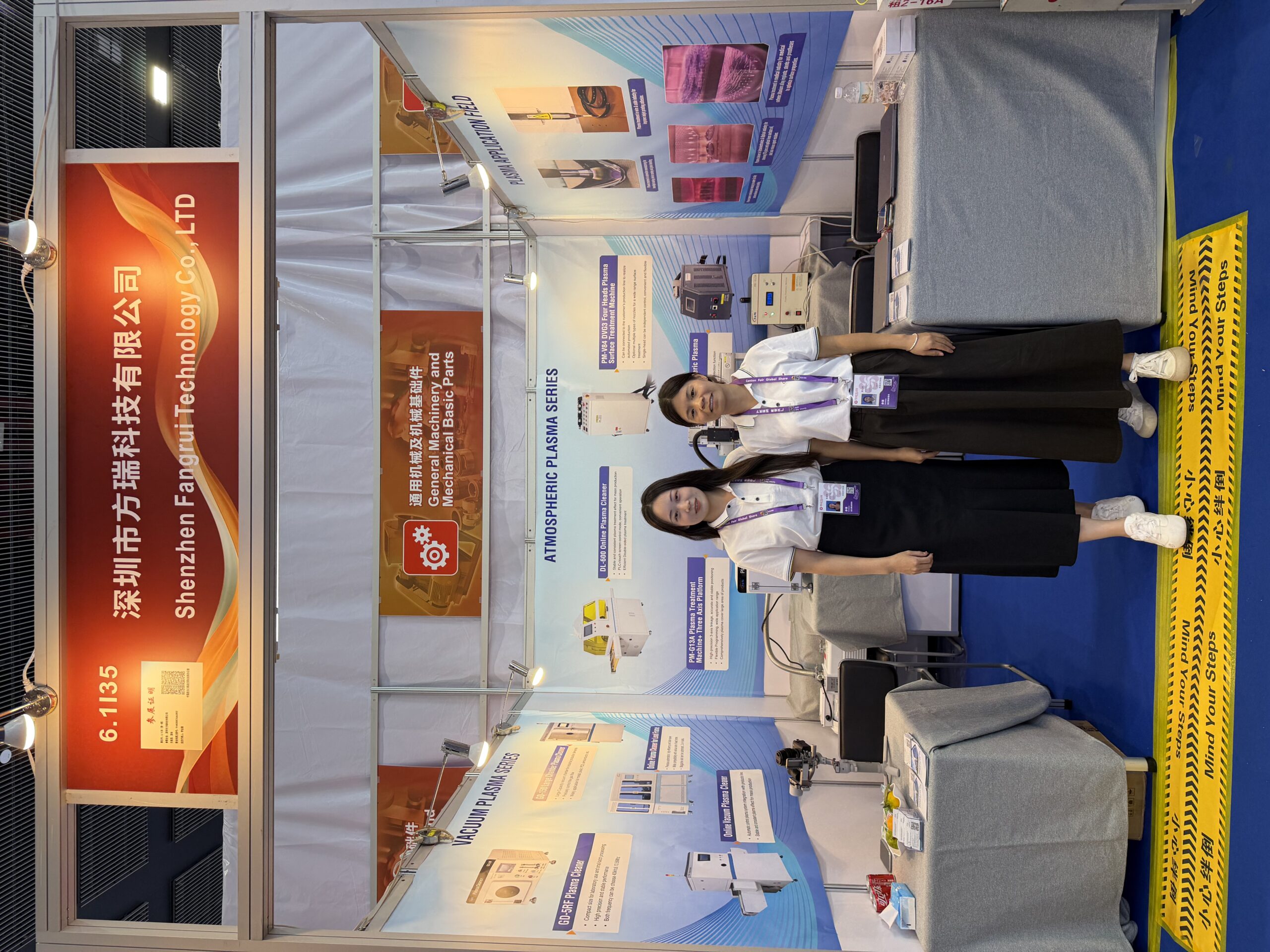
Shenzhen Fangrui Technology Co., Ltd. integrates research and development, manufacturing and sales for plasma surface-treatment and semiconductor equipment. The company uses its in-house production experience to develop customized, one-stop solutions around a customer’s material, geometry, takt time and quality target.
The Canton Fair was an important window for sharing Chinese manufacturing capabilities with global buyers, but the exhibition was only the beginning of the conversation. FARI Plasma will continue improving equipment quality, process support and overseas service so that manufacturers can evaluate plasma treatment with measurable production criteria.
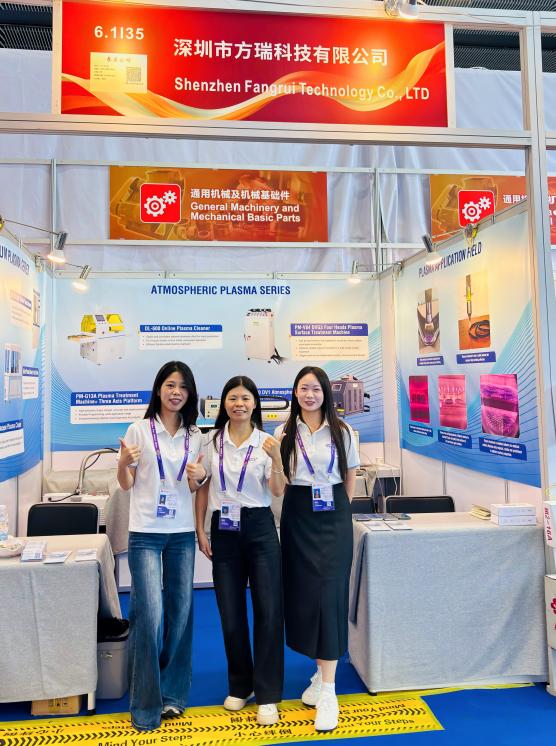
If you visited the Canton Fair and would like to continue the discussion, FARI Plasma can review your part samples, surface problem and production target. Browse the plasma equipment range or contact the team to arrange a sample evaluation, application discussion or customized equipment proposal.


English

Spanish
Rogatus ad ultimum admissusque in consistorium ambage nulla praegressa inconsiderate